Managing time effectively as an early childhood educator is essential to creating a balanced and productive workday. Between lesson planning, engaging with children, and communicating with parents, the hours can quickly slip away.

Finding strategies to streamline daily tasks not only reduces stress but also enhances the quality of your teaching. From prioritizing activities to leveraging technology, small changes can lead to significant improvements.
Let’s dive deeper into practical ways to boost your time efficiency and make every minute count!
Organizing Your Day with Intentional Planning
Creating a Realistic Daily Schedule
One thing I’ve learned over the years is that a well-structured schedule can be a lifesaver in early childhood education. Instead of trying to cram everything in, it’s about carving out realistic time blocks for each activity.
For instance, dedicating specific time slots for lesson planning, circle time, and free play helps keep the day flowing smoothly without the constant feeling of being behind.
I always leave some buffer time for unexpected interruptions because, trust me, with kids, those moments happen more often than you think. This kind of intentional scheduling reduces stress and helps me stay calm and present with the children.
Prioritizing Tasks Based on Impact
Not all tasks are created equal when it comes to how much they affect your day or the children’s experience. I start by identifying what must absolutely get done versus what can wait or be simplified.
For example, preparing engaging learning activities takes precedence over perfecting every single detail of paperwork on the same day. I found that tackling high-impact tasks first, like interactive lessons or one-on-one time with kids, makes the day feel more rewarding.
This approach keeps me motivated and ensures that the most meaningful parts of my job don’t get sacrificed to busywork.
Using Visual Timetables for Better Flow
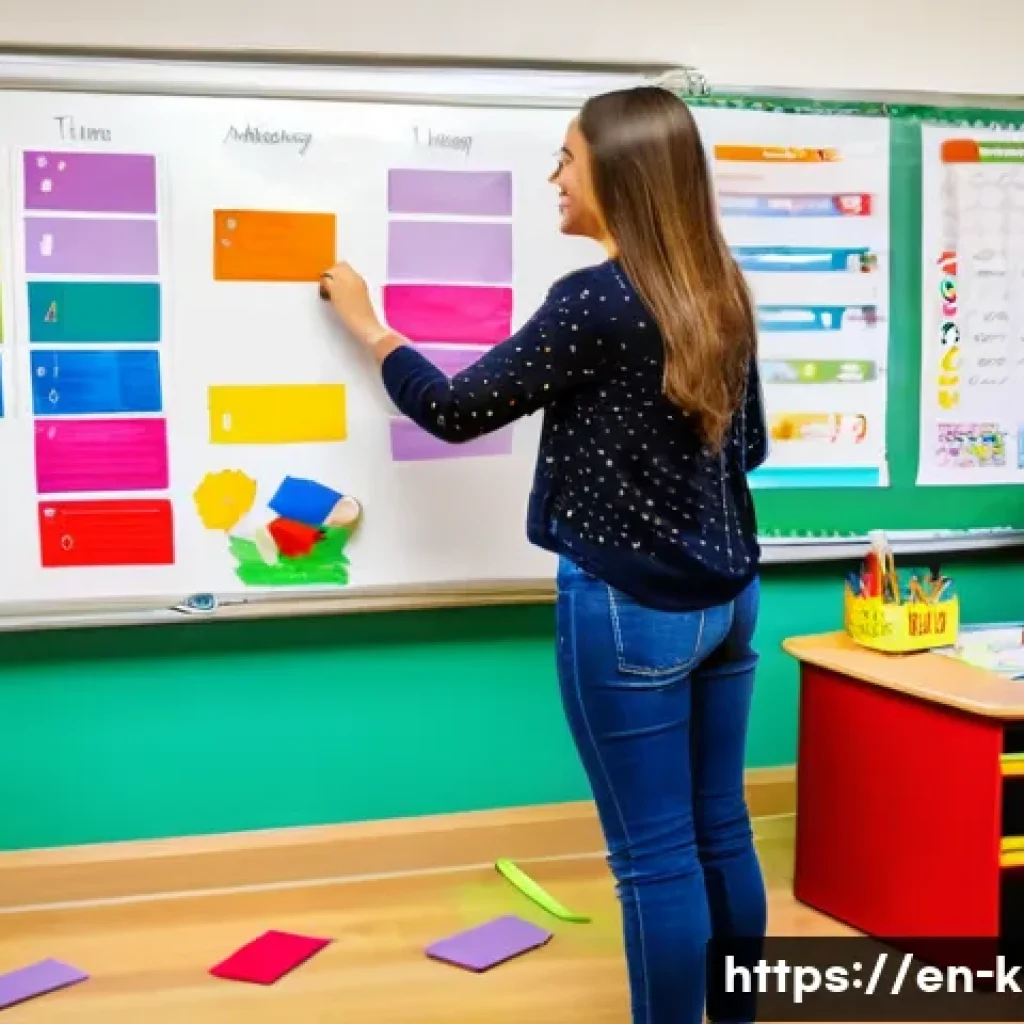
Visual timetables aren’t just for kids; they work wonders for educators too. I use a whiteboard or digital planner that shows the sequence of daily activities.
This gives me a clear picture of what’s coming next and helps prevent time from slipping away unnoticed. Plus, sharing this timetable with assistants or co-teachers ensures everyone is on the same page.
It’s a simple tool, but it drastically cuts down on the chaos that can arise when the day feels unpredictable.
Streamlining Lesson Preparation and Material Management
Batching Similar Tasks Together
I discovered that grouping similar tasks together saves a ton of time. Instead of switching between lesson planning, setting up materials, and cleaning up repeatedly, I dedicate a chunk of time just for prep.
For example, I spend an afternoon organizing all craft supplies and printing worksheets for the entire week. This batching method minimizes distractions and the mental load of constantly shifting gears.
It also means when it’s time for activities, everything is ready to go, which keeps the children engaged and the momentum high.
Leveraging Digital Tools for Efficiency
There are so many apps and platforms designed to simplify lesson planning and communication. I personally use a digital planner to organize themes and activities for each week, which syncs across my devices.
Tools like these allow me to quickly adjust plans on the fly and access resources from anywhere. I also use messaging apps to update parents, reducing the time spent on phone calls or in-person meetings.
These tech solutions might seem small, but they add up to significant time savings.
Maintaining an Organized Workspace
A cluttered workspace can kill productivity faster than anything. I make it a habit to tidy up at the end of each day, putting supplies back in their designated spots and discarding unnecessary papers.
When everything has its place, I spend less time hunting for materials and more time teaching. Plus, a clean environment feels more inviting and calm, which positively affects both my mood and the children’s behavior.
Enhancing Communication with Parents and Colleagues
Setting Clear Communication Windows
One challenge I faced was constant interruptions from parents during teaching hours. To manage this, I established specific “communication windows” when I’m available for conversations, either in person or by phone.
This way, parents know when to reach out, and I can focus fully on the children during other times. I also communicate these windows clearly through newsletters or at drop-off and pick-up times, which helps set expectations and reduce stress.
Using Templates for Routine Messages
I started creating templates for common messages, like weekly updates or reminders about upcoming events. Instead of writing these from scratch every time, I tweak a pre-written message to fit the day’s context.
This saves a surprising amount of time and keeps communication consistent and professional. Parents appreciate the clarity, and I appreciate not having to reinvent the wheel daily.
Collaborating Efficiently with Team Members
Good teamwork can make or break your day. I make sure to have brief but focused meetings with colleagues to discuss the day’s plan, share concerns, and delegate tasks.
Keeping these meetings concise and purposeful prevents time wastage and ensures everyone is aligned. When responsibilities are shared fairly, the workload feels lighter, and the overall classroom environment improves.
Incorporating Flexibility and Self-Care into Your Routine
Allowing Time for Unexpected Events
No matter how well you plan, early childhood education involves unpredictability. I always build flexibility into my schedule to accommodate things like a child needing extra attention or a sudden change in plans.
Instead of feeling frustrated by these interruptions, I remind myself that being adaptable is part of the job. This mindset shift helps me stay calm and resourceful, which benefits both me and the children.

Prioritizing Breaks and Mental Recharge
Burnout is a real risk in this field. I make it a point to schedule short breaks during the day, even if it’s just five minutes to step outside or have a quiet cup of tea.
These moments of pause refresh my energy and help me return to my tasks with better focus and patience. When I neglect breaks, I notice my frustration builds and my effectiveness drops, so this small habit is crucial for long-term sustainability.
Reflecting on Daily Successes and Challenges
At the end of each day, I spend a few minutes reflecting on what went well and what could be improved. This practice helps me identify patterns, adjust my strategies, and celebrate small wins.
Writing these reflections down also serves as a useful reference for future planning and professional growth. It’s a simple habit that enhances self-awareness and keeps me motivated.
Utilizing Technology to Simplify Administrative Duties
Automating Attendance and Reporting
Manual attendance tracking and report writing can eat up precious time. I use apps that automatically log attendance and generate reports based on daily input.
This automation reduces errors and frees me up to focus on teaching rather than paperwork. The ease of access to data also helps me quickly respond to parents’ inquiries or regulatory requirements.
Digitizing Lesson Plans and Resources
Instead of keeping piles of paper, I maintain digital files for lesson plans, activity guides, and educational resources. This not only saves physical space but also speeds up retrieval and sharing.
I can easily update plans, add multimedia elements, or collaborate with colleagues through cloud-based platforms. Going digital has been a game-changer in managing my workload efficiently.
Setting Reminders and Alerts
To stay on top of deadlines and appointments, I rely heavily on calendar reminders and alerts. These nudges prevent important tasks from slipping through the cracks, especially on busy days.
I customize notifications to pop up well before a deadline, giving me enough time to prepare. This system reduces last-minute rushes and helps maintain a steady workflow.
Creating a Supportive Environment for Children and Yourself
Designing a Predictable Routine for Kids
Children thrive on routine, and so does managing time effectively. I structure the day with consistent routines that children can anticipate, which reduces behavioral disruptions and transitions that eat up time.
When kids know what to expect, they settle into activities faster, allowing for smoother transitions and more quality learning moments.
Encouraging Independence in Children
Teaching kids to manage small tasks on their own, like putting away toys or washing hands, can save you countless minutes daily. I incorporate activities that build these life skills, which not only fosters their development but also lightens my load.
Watching children grow more independent is rewarding and creates a more manageable classroom environment.
Seeking Support and Professional Development
I’ve found that reaching out for support, whether from colleagues, supervisors, or professional networks, makes a huge difference. Sharing challenges and learning new strategies through workshops or online courses continuously improves my time management skills.
Investing in my own growth ultimately benefits the children and enhances my job satisfaction.
| Time Management Strategy | Benefits | Practical Tips |
|---|---|---|
| Intentional Scheduling | Reduces stress, improves focus | Block specific times, include buffer zones |
| Task Prioritization | Ensures important tasks get done | Identify high-impact activities first |
| Batching Tasks | Minimizes distractions, saves time | Group similar tasks, prep in bulk |
| Use of Technology | Simplifies planning and communication | Utilize digital planners and messaging apps |
| Regular Breaks | Prevents burnout, maintains energy | Schedule short pauses, step outside |
| Clear Communication Windows | Limits interruptions, sets expectations | Inform parents of available times |
| Reflective Practice | Supports continuous improvement | Write daily reflections, track progress |
Wrapping Up
Effective time management in early childhood education requires intentional planning, flexibility, and clear communication. By organizing your day thoughtfully and using tools that enhance efficiency, you can create a balanced environment that benefits both you and the children. Remember, small adjustments can lead to big improvements in your daily routine and overall well-being.
Useful Tips to Keep in Mind
1. Set realistic daily schedules with buffer time to handle unexpected events without stress.
2. Prioritize tasks that have the greatest impact on children’s learning and your effectiveness.
3. Use digital tools and batching methods to streamline preparation and reduce distractions.
4. Establish clear communication windows with parents to minimize interruptions during teaching.
5. Take regular breaks and reflect daily to maintain energy and continuously improve your approach.
Key Takeaways for Success
Consistent routines paired with flexibility create a supportive atmosphere for children’s growth and your productivity. Embracing technology and collaborative teamwork can significantly ease administrative burdens. Prioritizing self-care and professional development ensures sustained motivation and effectiveness. Ultimately, thoughtful planning combined with adaptability empowers you to deliver quality education while maintaining your well-being.
Frequently Asked Questions (FAQ) 📖
Q: How can I prioritize my tasks effectively throughout the day as an early childhood educator?
A: Prioritizing tasks begins with identifying what truly impacts your classroom and children’s learning the most. I’ve found it helpful to start each morning by listing tasks in order of urgency and importance—like prepping lessons or addressing children’s needs first, then moving to administrative work.
Using a planner or digital calendar with time blocks helps me stay on track without feeling overwhelmed. Remember, it’s okay to adjust priorities as unexpected situations arise; flexibility is key in this field.
Q: What are some practical ways to reduce time spent on lesson planning without compromising quality?
A: One trick I use is creating reusable lesson templates and activity kits that can be adapted for different themes or age groups. This saves a ton of time while keeping lessons fresh and engaging.
Also, collaborating with colleagues to share resources or ideas can cut down individual prep time significantly. Technology tools like educational apps or curriculum software can automate parts of planning, letting you focus more on interaction with the kids rather than paperwork.
Q: How can technology help improve communication with parents while saving time?
A: Using communication apps specifically designed for educators, like ClassDojo or Brightwheel, has been a game-changer for me. These platforms allow quick updates, photo sharing, and direct messaging, which keeps parents informed without the need for lengthy emails or calls.
Scheduling regular but brief check-ins through these apps helps maintain strong relationships while freeing up your time. Plus, parents appreciate real-time insights into their child’s day, which builds trust and engagement.