Starting your journey as an early childhood educator can feel both exciting and overwhelming, especially in today’s rapidly evolving educational landscape.
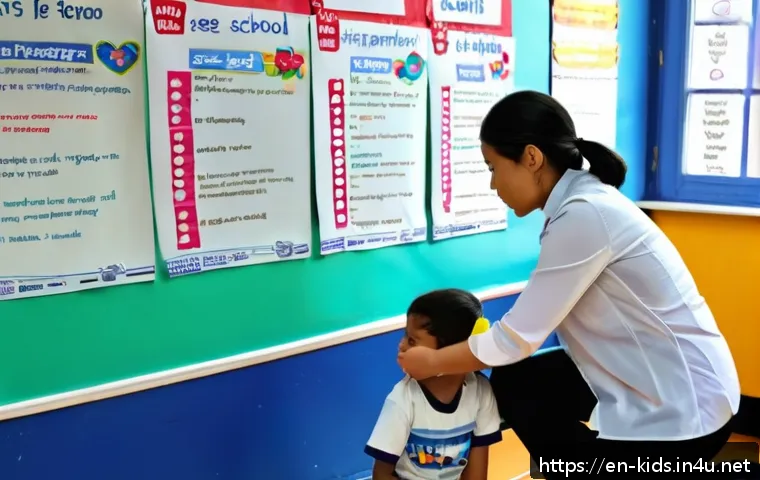
With growing emphasis on social-emotional learning and inclusive classrooms, the first year sets a crucial foundation for your teaching philosophy and practice.
Whether you’re navigating new regulations or adapting to innovative teaching tools, having a clear roadmap can make all the difference. In this post, I’ll share practical insights and proven strategies to help you thrive during this pivotal year.
Let’s dive into a step-by-step guide that transforms challenges into rewarding milestones on your path to success.
Building Strong Relationships with Children and Families
Understanding Each Child’s Unique Needs
When you first step into your classroom, you quickly realize that every child is different—not just in their learning styles, but in their personalities, backgrounds, and emotions.
Taking the time to observe and listen closely can reveal so much about what motivates a child or what might be causing them stress. For instance, I found that sitting down during free play and simply watching without interrupting gave me insights into how shy or outgoing a child might be.
It’s not always about immediate intervention; sometimes, just understanding a child’s rhythm helps you support them better. Building this understanding early on lays the groundwork for a trusting and responsive classroom atmosphere.
Engaging Families as Partners in Learning
Families are the cornerstone of a child’s development, and involving them from the get-go is crucial. I learned that sending weekly newsletters or quick text updates about what their child enjoyed or struggled with made parents feel connected and valued.
It’s also important to hold open and honest conversations about goals, challenges, and expectations. This two-way communication creates a supportive network that benefits the child immensely.
Remember, parents know their children best, so tapping into their insights can help you tailor your approach effectively.
Creating a Welcoming Classroom Environment
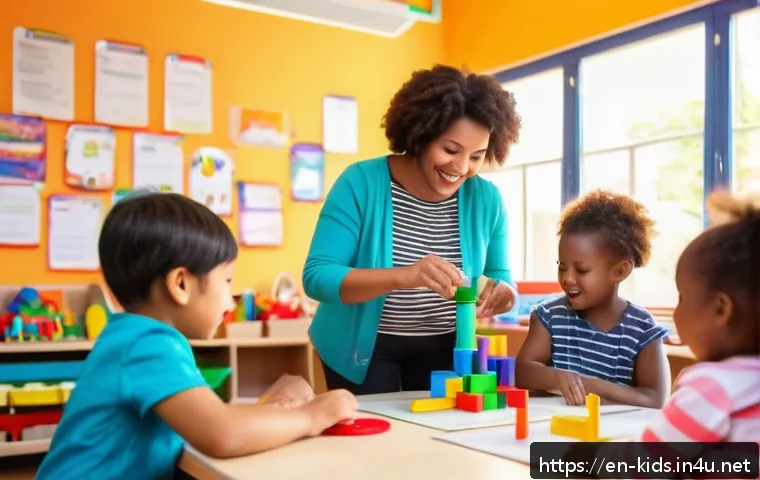
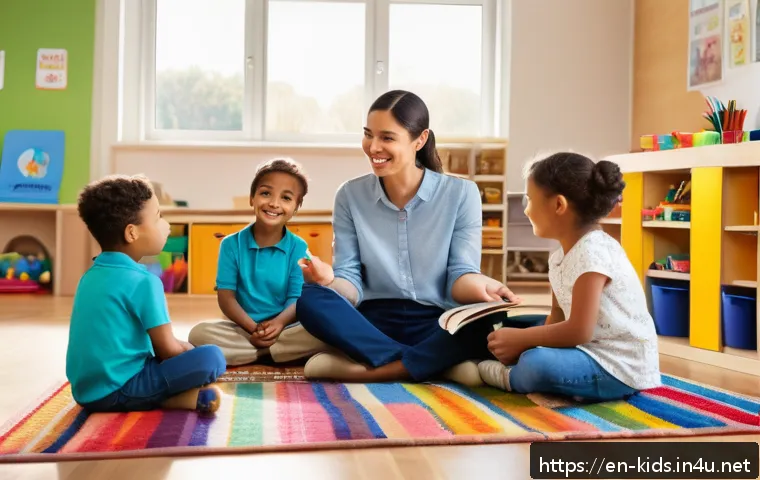
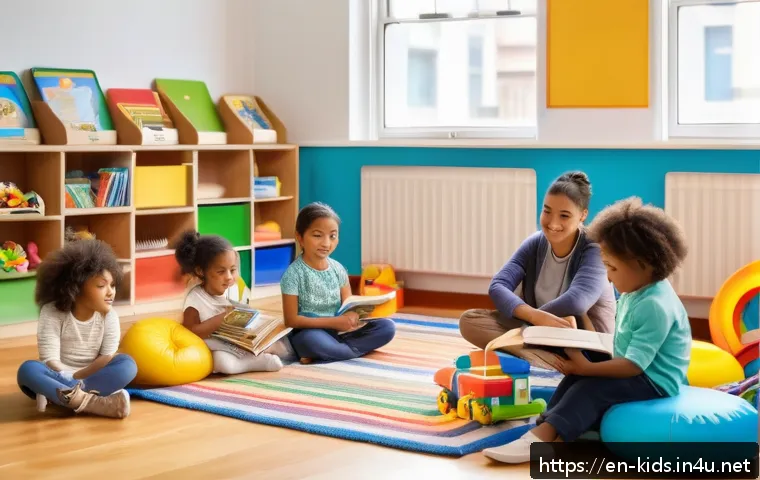
A classroom that feels safe and inviting encourages children to explore and express themselves. Personalizing your space with colorful displays, cozy reading corners, and accessible materials can make a huge difference.
I always try to rotate toys and learning tools to keep things fresh and engaging. Plus, setting clear and consistent routines helps kids know what to expect, reducing anxiety and helping them focus.
When children feel at home in your classroom, they’re more likely to take risks and embrace learning.
Mastering Effective Classroom Management Techniques
Establishing Clear and Consistent Expectations
One of the biggest challenges during the first year is managing behavior in a way that is both firm and nurturing. From my experience, setting clear rules at the beginning and revisiting them regularly helps children internalize what’s expected.
Visual aids like picture charts work wonders, especially for younger kids who can’t yet read. Consistency is key—if a rule applies one day but not the next, it confuses children and undermines your authority.
Using Positive Reinforcement to Encourage Good Behavior
Instead of focusing on what children shouldn’t do, I found that highlighting positive actions encourages more of the same. Simple praise like “I love how you waited your turn” or small rewards such as stickers can boost motivation.
It’s important to be genuine—kids can sense when praise is forced. Over time, this approach nurtures self-regulation and cooperation, which are essential for a smooth classroom environment.
Handling Challenging Behaviors Calmly and Strategically
Inevitably, there will be moments when children test limits or struggle emotionally. Staying calm and composed in these situations is vital. I’ve learned that stepping back, taking a deep breath, and approaching the child with empathy rather than frustration helps de-escalate tensions.
Sometimes, redirecting their attention or offering a quiet space to regroup works better than immediate discipline. Reflecting on what triggers certain behaviors also allows for better prevention in the future.
Integrating Social-Emotional Learning into Daily Activities
Modeling Emotional Awareness and Regulation
Children learn a lot by watching adults, so showing your own emotional awareness can be powerful. I make it a point to verbalize my feelings appropriately, like saying, “I’m feeling a little frustrated, so I’m going to take a deep breath.” This not only normalizes emotions but also teaches coping strategies.
Over time, kids start to recognize and label their own feelings, which is foundational for social-emotional growth.
Designing Activities that Foster Empathy and Cooperation
Games and group projects that require teamwork are perfect for developing empathy. For example, role-playing scenarios where children take turns being different characters help them see things from others’ perspectives.
I noticed that simple circle time discussions about kindness or sharing experiences create a safe space for children to express themselves and listen to peers.
These moments build a sense of community and respect.
Incorporating Mindfulness and Relaxation Techniques
Introducing mindfulness doesn’t have to be complicated. I started with just a few minutes of guided breathing exercises or gentle stretches after recess, and it made a noticeable difference in children’s focus and mood.
Teaching kids to pause and check in with their bodies and minds equips them with tools to handle stress. It’s incredible to see a once-wiggly group settle down through mindful practices.
Leveraging Technology to Enhance Learning Experiences
Selecting Age-Appropriate Digital Tools
Technology can be a fantastic aid when used thoughtfully. I recommend choosing apps and devices that are specifically designed for early childhood education—ones that encourage creativity, problem-solving, and interactive learning.
Avoid screen time that’s purely passive; instead, look for tools that invite participation and exploration. Trying out different options yourself before introducing them to the class ensures you’re comfortable and can guide the children effectively.
Balancing Screen Time with Hands-On Activities
It’s tempting to rely heavily on digital resources, especially when they’re engaging, but balance is crucial. I make sure to pair any tech use with physical activities, sensory play, or outdoor time.
For example, after a digital storytelling session, we might reenact the story with puppets or drawings. This combination reinforces learning and prevents overexposure to screens, which can be overwhelming for young children.
Using Technology to Streamline Communication and Documentation
Beyond classroom learning, technology is a lifesaver for staying organized. I use apps to track attendance, note observations, and communicate with parents efficiently.
This saves time and reduces paperwork. Digital portfolios where children’s work and progress are documented can also be shared with families, creating transparency and celebrating milestones together.
Developing Professional Skills and Self-Care Habits
Seeking Mentorship and Continuing Education
The first year is a steep learning curve, and having a mentor can make all the difference. I actively sought out experienced educators who could offer advice and feedback, which helped me avoid common pitfalls.
Attending workshops, webinars, or local conferences also kept me updated on best practices and new research. Investing in your professional growth not only benefits your teaching but also boosts your confidence.
Reflecting Regularly on Your Teaching Practice
Taking time to reflect on daily experiences allows you to identify what’s working and what needs adjustment. I kept a journal where I noted successes, challenges, and ideas for improvement.
This habit turned into a valuable resource for tracking progress and setting goals. Reflection helps you stay intentional and responsive rather than just reacting to situations as they arise.
Prioritizing Self-Care to Avoid Burnout
Teaching young children is rewarding but also physically and emotionally demanding. I learned early on that setting boundaries and carving out time for rest and hobbies is essential.
Whether it’s a quiet evening with a book, exercise, or social time with friends, self-care recharges your energy and passion. Remember, taking care of yourself is not selfish—it’s necessary to be the best educator you can be.
Organizing Curriculum Planning and Assessment Strategies
Creating Flexible Yet Structured Lesson Plans
Balancing structure with flexibility is an art. I started by outlining key learning goals aligned with developmental milestones, then built activities around those.
However, I quickly realized that children’s interests and daily dynamics often required adjusting plans on the fly. Having a clear framework but being open to spontaneity keeps lessons relevant and engaging.
Using themes or project-based learning also helps integrate various skills naturally.
Implementing Ongoing Observations and Documentation
Assessment in early childhood isn’t about tests but about observing growth over time. I made it a habit to jot down notes during free play or group activities, capturing moments that demonstrated skills or social interactions.
These observations informed my planning and helped me provide individualized support. Sharing these documented insights with parents during conferences made the discussions richer and more meaningful.
Using Data to Inform Instruction and Celebrate Progress
Collecting and analyzing data might sound intimidating, but it’s incredibly useful. I used simple checklists and anecdotal records to track developmental domains like language, motor skills, and social behavior.
This data helped me identify patterns and tailor interventions. Celebrating progress, no matter how small, boosts children’s confidence and motivates continued learning.
| Focus Area | Key Strategies | Benefits |
|---|---|---|
| Relationship Building | Observing children, engaging families, creating welcoming spaces | Trust, communication, safe learning environment |
| Classroom Management | Clear rules, positive reinforcement, calm responses | Orderly classroom, self-regulation, reduced conflicts |
| Social-Emotional Learning | Modeling emotions, empathy activities, mindfulness | Emotional awareness, cooperation, stress management |
| Technology Use | Age-appropriate apps, balance screen time, digital communication | Engagement, organization, parental involvement |
| Professional Growth | Mentorship, reflection, self-care | Confidence, improved teaching, sustainability |
| Curriculum & Assessment | Flexible planning, ongoing observation, data use | Relevant lessons, individualized support, progress tracking |
Fostering Inclusive Practices for Diverse Learners
Recognizing and Valuing Diversity
Every classroom reflects a mosaic of cultures, abilities, and experiences. Early on, I made it a point to learn about the backgrounds of my students to ensure my teaching was respectful and relevant.
Incorporating multicultural books, songs, and celebrations not only enriches the curriculum but also makes all children feel seen and appreciated. It’s about creating a space where differences are celebrated rather than just tolerated.
Adapting Activities to Meet Varied Needs
Differentiation is essential in early childhood settings. I found that simple modifications—like providing visual supports, offering choices, or breaking tasks into smaller steps—made activities accessible to all learners.
Collaborating with specialists such as speech therapists or occupational therapists also provides valuable strategies tailored to individual needs. The goal is to empower every child to participate fully and confidently.
Promoting Social Inclusion and Peer Support
Encouraging children to support and include each other fosters a strong community. I often facilitated buddy systems or cooperative games that build friendships across diverse groups.
Teaching children to appreciate differences and resolve conflicts respectfully lays the foundation for empathy that extends beyond the classroom. Inclusive practices enrich everyone’s learning experience and build lifelong social skills.
In Conclusion
Building strong relationships with children and families is the cornerstone of effective teaching. By understanding each child’s unique needs and fostering open communication, educators create a supportive and inclusive environment. Combining thoughtful classroom management with social-emotional learning enriches the overall experience. Integrating technology wisely and investing in professional growth further enhances teaching success. Ultimately, embracing diversity and promoting inclusion helps every child thrive.
Helpful Information to Keep in Mind
1. Observing children closely allows you to tailor support to their individual personalities and needs, making learning more effective.
2. Regular communication with families builds trust and creates a collaborative approach to each child’s development.
3. Consistency in rules and routines helps children feel secure, reducing behavioral challenges and fostering cooperation.
4. Balancing screen time with hands-on and outdoor activities maintains engagement without overwhelming young learners.
5. Prioritizing self-care and ongoing professional development ensures that educators remain energized and confident in their roles.
Key Takeaways
Creating a nurturing classroom starts with recognizing the individuality of each child and partnering closely with families. Effective classroom management relies on clear, consistent expectations and positive reinforcement. Embedding social-emotional skills and mindfulness nurtures emotional intelligence. Thoughtful use of technology can enhance learning and communication without replacing valuable hands-on experiences. Continuous reflection, mentorship, and self-care are essential for sustainable teaching success. Finally, embracing diversity and fostering inclusion enrich the learning environment for everyone involved.
Frequently Asked Questions (FAQ) 📖
Q: uestionsQ1: How can I effectively manage classroom behavior in my first year as an early childhood educator?
A: Managing classroom behavior can feel daunting at first, but setting clear expectations from day one really helps. I found that using positive reinforcement, like praise and rewards for good behavior, creates a supportive atmosphere.
Also, establishing consistent routines gives children a sense of security and reduces disruptions. When challenges arise, calmly addressing the behavior and discussing feelings helps build social-emotional skills.
Remember, patience is key — it takes time to learn what works best for your unique group.
Q: What are some practical ways to incorporate social-emotional learning into daily activities?
A: Integrating social-emotional learning doesn’t have to be complicated. I like to start with simple practices like morning circle time where kids share how they’re feeling.
Storytelling and role-playing also encourage empathy and problem-solving. Incorporating cooperative games helps children practice teamwork and communication naturally.
Using visual aids such as emotion charts can support kids in identifying and expressing their feelings. These small steps make a big difference in creating an inclusive and emotionally supportive classroom.
Q: How do I stay updated with new teaching tools and regulations without feeling overwhelmed?
A: It’s easy to feel swamped with all the changes, but I’ve found a few strategies that keep me grounded. Subscribing to reputable early childhood education newsletters and joining local educator networks provides curated, relevant updates.
Setting aside a little time each week to explore one new tool or policy helps me absorb information without burnout. Also, don’t hesitate to ask colleagues or mentors for advice — learning together makes the process less stressful.
Over time, staying informed becomes part of your routine rather than a chore.