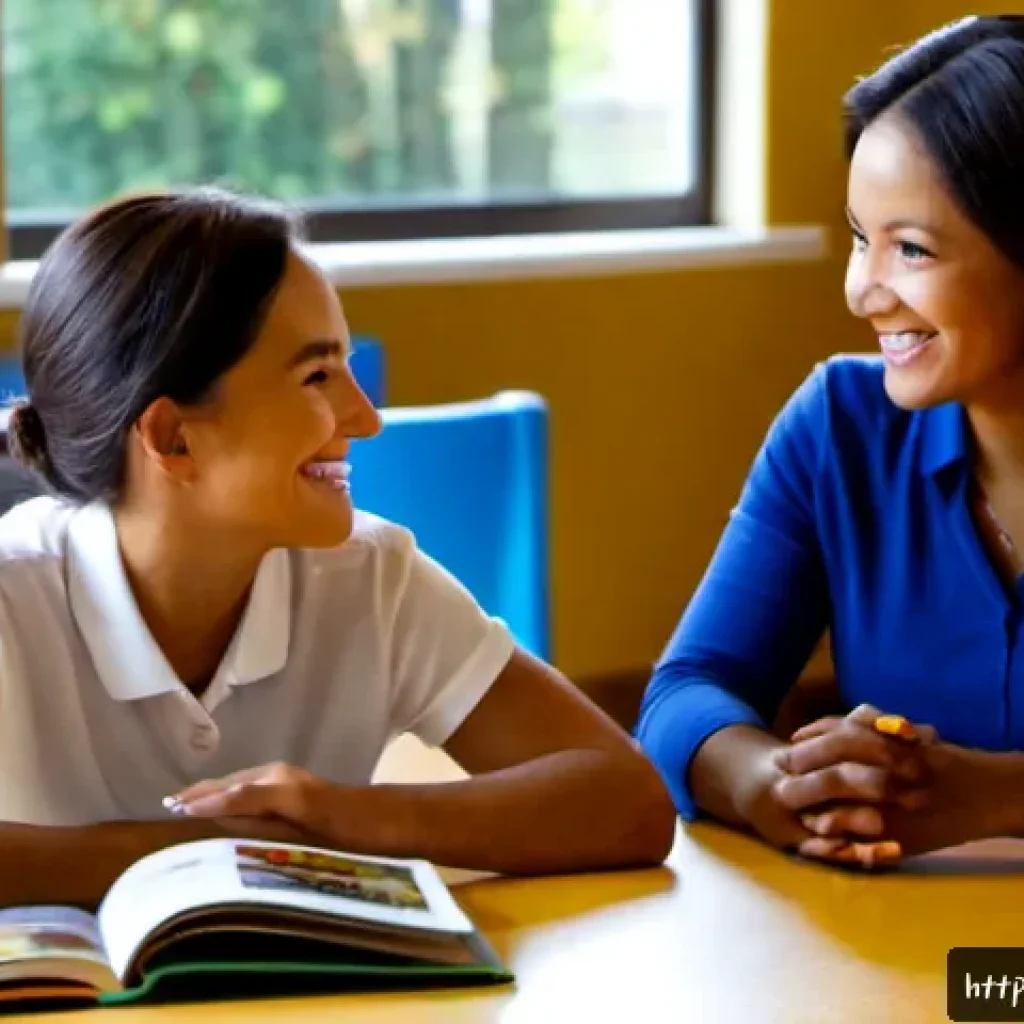
Successful parent consultations usually begin with specific observations, respectful listening, and a small set of practical next steps. Rather than trying to “win” a difficult conversation, early childhood educators can create a shared plan that supports the child at school and at home.
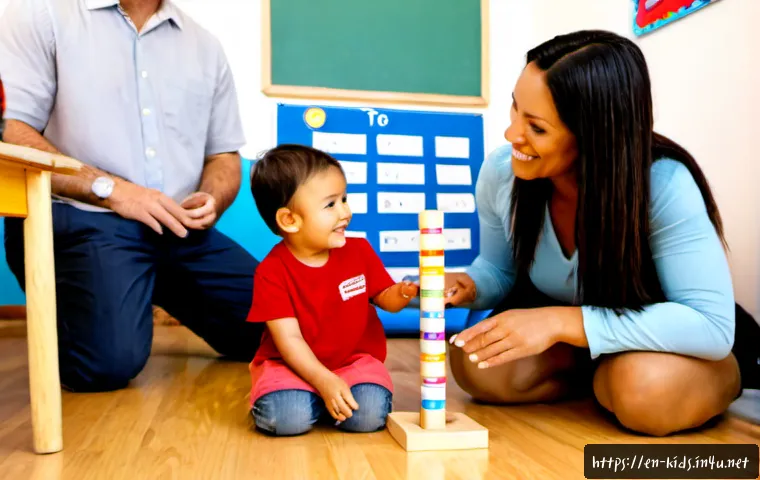
The strongest discussions avoid labels and focus on what the child is doing, when it happens, and what appears to help. Families also need room to explain routines, concerns, and perspectives that may not be visible in the classroom.
The examples below illustrate how a calm, collaborative approach can guide sensitive conversations.
What Makes a Parent Consultation Successful
A useful consultation gives both the educator and the family a clearer understanding of the child’s current needs. The discussion should be private, respectful, and centered on the child’s day-to-day experiences. It helps to begin with a genuine strength, then describe the concern in a calm and direct way. Families are more likely to engage when they feel heard rather than blamed.
Using observations instead of judgments
Observable details keep the conversation grounded. Instead of saying that a child is “unfriendly” or “not ready,” an educator can describe what was seen: the child moved away from a group activity, cried during a transition, or had difficulty sharing a preferred material. Details about the setting, the activity, and what happened before and after the behavior can make the concern easier to understand.
This approach leaves room for the family’s perspective. A parent may describe a recent routine change, a familiar comfort strategy, or a different pattern at home. Avoiding assumptions is especially important when discussing development or behavior, since one observation does not explain every cause.
Ending with shared next steps
A consultation should close with actions that are realistic for both sides. For example, the educator may try a predictable transition cue in the classroom, while the family may share a home routine that helps the child settle. Agree on what each person will do, what will be observed, and when it would be appropriate to check in again. The timing and format of follow-up may depend on local school policy and family circumstances.
Case Example: Supporting Separation Anxiety at Drop-Off
In an illustrative consultation, an educator notices that a child becomes upset during drop-off but gradually settles after joining a familiar activity. The educator explains this pattern without suggesting that the child is simply being difficult. The conversation can acknowledge that separation is hard while also identifying moments when the child is able to reconnect with the classroom.
The parent may share that goodbyes at home are also emotional or that the morning schedule sometimes changes. Together, they can discuss a consistent, brief farewell and a familiar arrival activity. The goal is not to promise an immediate change, but to create a predictable response across settings.
Aligning classroom and home routines
Consistency can reduce uncertainty for a young child. A family and educator might use similar words for goodbye, identify a simple arrival sequence, or make sure the child knows what happens after the parent leaves. The plan should remain flexible. If distress increases, persists, or raises wider concerns, the appropriate school procedures and available professional guidance should be checked.
Case Example: Discussing Repeated Peer Conflicts
Repeated conflict with peers can be difficult to raise because parents may worry that their child is being judged. A constructive consultation focuses on the specific interactions observed. For instance, an educator might explain that conflict occurred when two children wanted the same item, or that the child pushed after becoming frustrated during a group game.
The educator can also describe support already offered, such as helping the child use words, pause, or seek adult assistance. Asking the family what they notice during play at home invites useful context. The conversation should not identify or discuss another child’s private information beyond what is necessary to explain the situation.
Explaining behavior with neutral, specific language
Neutral language separates the child from the behavior. “He pushed when the truck was taken” is clearer and less judgmental than “He is aggressive.” This wording makes it easier to discuss skills the child may still be learning, including waiting, expressing frustration, and joining play. It also avoids treating a single pattern as a fixed identity.
| Less helpful phrasing | More useful phrasing |
|---|---|
| “She does not get along with others.” | “She has had difficulty during turn-taking with preferred materials.” |
| “He never listens.” | “He needed repeated support to follow directions during the transition.” |
| “Your child is behind.” | “I have noticed some communication patterns we may want to observe together.” |
Case Example: Addressing Concerns About Language Development
Language-related conversations require extra care because families may feel anxious or misunderstood. An educator can share what is observed in ordinary classroom situations, such as how the child responds to familiar directions, communicates needs, participates in songs, or interacts with peers. It is helpful to ask about the languages used at home and the family’s own observations, without making assumptions about what those patterns mean.
The focus should remain on communication and participation, not on a label. The educator can explain which situations seem easier for the child and where additional support may be helpful. Since individual circumstances, ages, and developmental histories differ, the conversation should not present a classroom observation as a diagnosis.

When to recommend additional professional guidance
If concerns continue or the family asks for more direction, an educator can encourage the parent to seek guidance through appropriate professional channels. The exact referral process, privacy expectations, and safeguarding procedures depend on the setting and local requirements. A respectful recommendation explains what has been observed, why further input may be useful, and that the family remains an important part of the process.
Follow-Up Practices That Build Family Trust
Trust often grows after the meeting, when agreed actions are carried out consistently. A brief follow-up message can confirm the shared plan and prevent misunderstandings. Keep communication factual and confidential, and use the communication method permitted by the program’s policies.
Documenting agreed actions and checking progress
A simple record can note the concern discussed, the strategies each person agreed to try, and the next point of contact. Documentation should be handled according to applicable privacy rules and school procedures. At follow-up, review what was noticed rather than judging whether a parent or child “succeeded.” If a strategy did not help, the plan can be adjusted together.
Closing Thoughts
Parent consultations work best when they feel like a partnership rather than a report card. Specific observations give the conversation a fair starting point, while active listening brings in the family’s knowledge of the child. Small, shared actions are often more useful than broad promises. Respectful language and confidentiality help protect the relationship throughout the process.
Useful Information to Keep in Mind
1. Describe what was observed before interpreting it.
2. Ask families about routines, concerns, and strengths they see at home.
3. Agree on practical actions that both the educator and family can reasonably try.
4. Follow local policies when documenting concerns or recommending further guidance.
Key Points at a Glance
Successful consultations are private, child-centered, and based on clear observations. They avoid labels, make room for family perspectives, and end with shared follow-up steps. When concerns need more support, educators should use the appropriate procedures for their setting.
Frequently Asked Questions
Q1. How do early childhood educators start a difficult conversation with parents?
A1. Start with a respectful welcome and a genuine observation about the child’s strengths. Then explain the purpose of the conversation using specific, neutral examples. Invite the parent to share what they have noticed before moving into possible next steps.
Q2. What should be included in a parent consultation about challenging behavior?
A2. Include observable details about the behavior, the situations in which it occurs, and the support already provided. Ask for the family’s perspective, discuss strategies that may be practical in each setting, and clarify how progress will be reviewed. Keep the child’s information confidential.
Q3. How can educators respond when parents disagree with their observations?
A3. Listen without arguing and acknowledge that children can behave differently across settings. Return to the specific classroom observations, ask questions about the family’s experience, and look for a small area of shared concern or a strategy to try. If needed, follow the program’s established procedures for further support.