
Navigating the path to growth as an early childhood educator means staying updated and connected. Attending professional development seminars offers a golden opportunity to gain fresh insights, network with peers, and enhance your teaching strategies.

These events can spark new ideas that directly impact your classroom effectiveness and career advancement. Whether you’re aiming to deepen your expertise or explore innovative approaches, seminars provide a dynamic platform for learning.
Let’s dive into how you can make the most of these valuable experiences and truly boost your career. I’ll guide you through it all with practical tips and real-world examples, so you’ll know exactly what to do next!
Maximizing Learning Opportunities at Early Childhood Education Seminars
Choosing Seminars That Align with Your Career Goals
When deciding which professional development seminars to attend, it’s crucial to pick events that resonate with your current career aspirations and areas where you want to grow.
For example, if you’re interested in strengthening your classroom management skills, seek seminars focused on behavior strategies or inclusive teaching.
I’ve found that targeting specific topics not only keeps me engaged but also makes the knowledge immediately applicable. Plus, aligning your seminar choices with your goals signals to employers your commitment to professional growth.
Don’t hesitate to explore niche sessions that challenge your usual perspectives—they often lead to the most rewarding insights.
Preparing Ahead to Get the Most Out of Each Session
Preparation is half the battle won when attending seminars. Before the event, review the agenda and research speakers if possible. Jot down questions or topics you’re curious about—this turns passive listening into active participation.
Personally, I bring a notebook and highlight key takeaways during sessions, which helps me retain and apply what I learn later. Also, planning your schedule to include breaks is important; it’s during these informal moments that valuable networking happens.
Remember, your mindset going in can transform the entire experience, so go with an open, eager attitude ready to soak up knowledge and connect.
Applying New Strategies in Your Classroom
The real value of seminars shines when you start integrating fresh ideas into your teaching practice. After attending a recent workshop on play-based learning, I revamped my lesson plans to include more child-led activities, and the difference was immediate—engagement levels soared, and children became more curious and independent.
It’s helpful to reflect on each seminar’s content and tailor strategies to fit your unique classroom environment. Don’t feel pressured to implement everything at once; start small, observe the outcomes, and adjust accordingly.
Sharing these new approaches with colleagues can also spark collaborative improvements and boost your confidence as an educator.
Building Meaningful Connections Through Networking
Why Peer Interaction Matters
Networking at seminars isn’t just about exchanging business cards; it’s about building a community of support and shared knowledge. I’ve met some of my most trusted colleagues through these events, and having a network of peers provides a sounding board for challenges and fresh ideas.
Engaging with others who understand the nuances of early childhood education can make you feel less isolated and more empowered. During breaks or group activities, approach people with genuine curiosity about their experiences—it often leads to lasting professional friendships and mentorship opportunities.
Effective Strategies for Networking
Starting conversations can feel intimidating, but a few simple strategies can ease the process. I like to prepare a brief introduction about my current role and what I hope to gain from the seminar.
Asking open-ended questions like “What inspired you to attend this event?” or “How do you apply this topic in your classroom?” invites meaningful dialogue.
Don’t underestimate the power of follow-up—connecting on professional platforms such as LinkedIn after the seminar keeps the relationship alive and opens doors for future collaborations.
Remember, networking is about quality over quantity; forming a few strong connections will benefit your career more than collecting dozens of superficial contacts.
Leveraging Networks for Career Advancement
Beyond emotional support, your professional network can be a gateway to career opportunities. Colleagues often share job openings, recommend workshops, or provide insights into leadership roles.
I recall a time when a contact I made at a seminar alerted me to a part-time coaching position, which later transitioned into a full-time role. Cultivating these relationships requires ongoing effort—engage in group discussions, offer help when you can, and attend reunions or follow-up events.
Your network becomes a living resource that grows with your career, offering both guidance and opportunities.
Incorporating Technology and Innovation from Seminars
Exploring New Educational Tools
Many seminars introduce cutting-edge technology designed to enhance early childhood education, from interactive apps to digital assessment platforms. I was initially skeptical about integrating too much tech with young children, but after experimenting with a few recommended tools, I saw how they can support learning through play and individual pacing.
When choosing new tools, consider ease of use and how they complement your teaching style. Seminars often provide demos and hands-on sessions, which are perfect for testing these innovations before full implementation.
Balancing Tradition and Innovation
While new technology is exciting, it’s important to strike a balance so that it enhances rather than replaces foundational teaching principles. Seminars frequently emphasize maintaining developmentally appropriate practices even when integrating digital resources.
I’ve found that blending traditional storytelling or sensory play with tech tools creates a rich, diverse learning environment. Remember, innovation should serve the children’s needs first; always evaluate whether a new method or device genuinely adds value to your classroom experience.
Staying Ahead of Trends for Long-Term Success
Keeping up with educational trends discussed at seminars positions you as a forward-thinking educator. It can also prepare you for leadership roles or curriculum development projects.
I make it a habit to subscribe to newsletters or join online forums related to seminar topics so I can continue learning beyond the event. This ongoing engagement not only deepens my expertise but also helps me anticipate changes in the field, ensuring my teaching remains relevant and impactful.
Time Management and Prioritizing Professional Development
Balancing Seminar Attendance with Daily Responsibilities
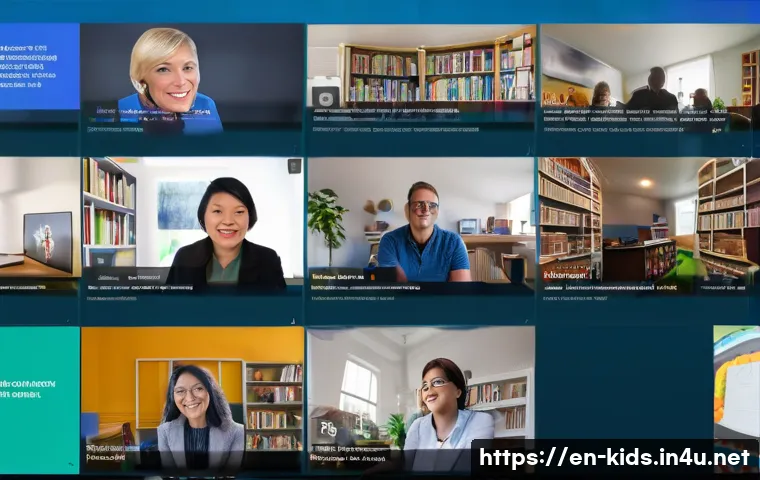
Finding time for seminars amidst the demanding schedule of an early childhood educator can be challenging. I’ve learned that planning ahead is key—mark seminar dates on your calendar well in advance and discuss coverage options with your team or supervisor.
Some seminars offer virtual attendance, which can be a flexible alternative. Prioritizing sessions that promise the greatest impact on your teaching or career goals helps maximize your time investment.
Remember, professional development is not a luxury but an essential part of your role that ultimately benefits the children you teach.
Setting Realistic Learning Objectives
Before attending a seminar, setting clear, achievable objectives can focus your attention and improve retention. For instance, you might aim to learn three new classroom activities or understand the latest research on child development stages.
I find that having specific goals keeps me motivated and helps me evaluate the seminar’s value afterward. It also makes it easier to communicate your learning outcomes to supervisors or during performance reviews, demonstrating your commitment to growth.
Tracking Progress and Reflecting on Growth
After seminars, taking time to reflect on what you’ve learned and how it has influenced your practice solidifies your development. I keep a professional journal where I record insights, challenges, and successes related to seminar content.
This habit reveals patterns in my learning journey and highlights areas for further improvement. Sharing reflections with mentors or peers can also provide new perspectives and accountability.
Consistent reflection turns isolated seminar experiences into a continuous path of professional growth.
Understanding Seminar Formats and How to Engage Fully
Differences Between In-Person and Virtual Seminars
Both in-person and virtual seminars have unique advantages. In-person events offer richer networking opportunities and hands-on workshops, which I find incredibly energizing and motivating.
On the other hand, virtual seminars provide flexibility, allowing you to attend sessions from anywhere and revisit recorded content at your convenience.
To stay engaged online, I recommend minimizing distractions, using the chat features to ask questions, and participating actively in breakout rooms. Understanding these formats helps you adapt your approach and get the most value regardless of how the seminar is delivered.
Participating Actively During Sessions
Active participation transforms seminars from passive listening to dynamic learning experiences. Asking questions, sharing your experiences, and engaging in group discussions deepen your understanding.
I often challenge myself to contribute at least one comment or question per session, which encourages me to think critically and connect with others. Active involvement also makes the time feel more rewarding and memorable, increasing the likelihood that you’ll implement new ideas in your classroom.
Utilizing Post-Seminar Resources and Follow-Ups
Many seminars provide additional resources such as handouts, reading lists, or recorded presentations. Taking advantage of these materials extends your learning beyond the event.
I organize these resources digitally for easy reference and schedule follow-up sessions with colleagues to discuss implementation strategies. Some seminars also offer certificates or continuing education credits, which can enhance your professional portfolio.
Following up with speakers or participants via email or social media can also open doors to further learning and collaboration.
Comparison of Seminar Types and Their Benefits
| Seminar Type | Format | Key Benefits | Ideal For |
|---|---|---|---|
| Workshops | Hands-on, small groups | Practical skills, immediate application, personalized feedback | Educators wanting active learning and skill-building |
| Lectures | Large audience, presentation-based | Exposure to new research, expert insights, broad overviews | Those seeking knowledge updates and theoretical foundations |
| Panel Discussions | Multiple experts, Q&A format | Diverse perspectives, critical thinking, current issues | Educators interested in dialogue and policy trends |
| Virtual Seminars | Online, flexible timing | Convenience, accessibility, recorded content | Busy professionals needing flexible learning options |
| Networking Events | Informal, social settings | Relationship building, collaboration opportunities | Educators focused on career growth and peer support |
Closing Thoughts
Attending early childhood education seminars offers a wealth of opportunities to grow both personally and professionally. By selecting relevant sessions, engaging actively, and applying new strategies thoughtfully, educators can enrich their teaching practice and career path. Remember, these experiences are as much about building connections as they are about gaining knowledge. Embrace each seminar with an open mind and a readiness to evolve.
Useful Information to Keep in Mind
1. Plan your seminar attendance around your specific career goals to maximize relevance and impact.
2. Prepare questions and review materials beforehand to engage deeply during sessions.
3. Start applying new techniques gradually and adapt them to fit your unique classroom environment.
4. Build authentic relationships with peers for ongoing support and professional growth.
5. Balance traditional teaching methods with innovative tools to create a dynamic learning atmosphere.
Key Takeaways
Choosing seminars that align with your professional objectives ensures meaningful learning. Active participation and thoughtful reflection help translate seminar content into effective classroom practices. Networking is a vital component that opens doors to collaboration and career advancement. Leveraging technology wisely enhances engagement without compromising foundational teaching values. Lastly, managing your time and setting realistic goals enable continuous development without overwhelming your daily responsibilities.
Frequently Asked Questions (FAQ) 📖
Q: How can attending professional development seminars improve my teaching skills as an early childhood educator?
A: Attending these seminars exposes you to the latest research, teaching methods, and classroom management strategies. From my own experience, I found that learning directly from experts and peers introduced me to practical techniques I hadn’t tried before, which immediately improved my interaction with children and helped me create a more engaging learning environment.
Plus, seminars often offer hands-on workshops that make it easier to apply new ideas right away.
Q: What’s the best way to network with other educators during these seminars?
A: Networking can feel intimidating, but it’s really about building genuine connections. I recommend starting conversations by sharing your experiences or asking about others’ challenges and successes in the classroom.
Many seminars have breakout sessions or informal meetups—these are perfect opportunities to chat casually. Don’t forget to exchange contact info and follow up afterward; maintaining these relationships can lead to ongoing support, collaboration, and even career opportunities down the line.
Q: How do I choose the right professional development seminar to attend?
A: Look for seminars that align with your current goals—whether it’s deepening your expertise in child development, exploring new teaching technologies, or learning about classroom diversity.
Check the speaker credentials and read reviews from past attendees if possible. Personally, I prioritize seminars that offer practical takeaways I can implement quickly because that keeps my motivation high and helps me see real growth in my teaching.
Also, consider the format and schedule to ensure it fits your lifestyle so you can fully engage without stress.