Understanding the application of educational psychology in early childhood education is essential for creating effective learning environments. It helps educators recognize children’s developmental stages and tailor teaching strategies accordingly.
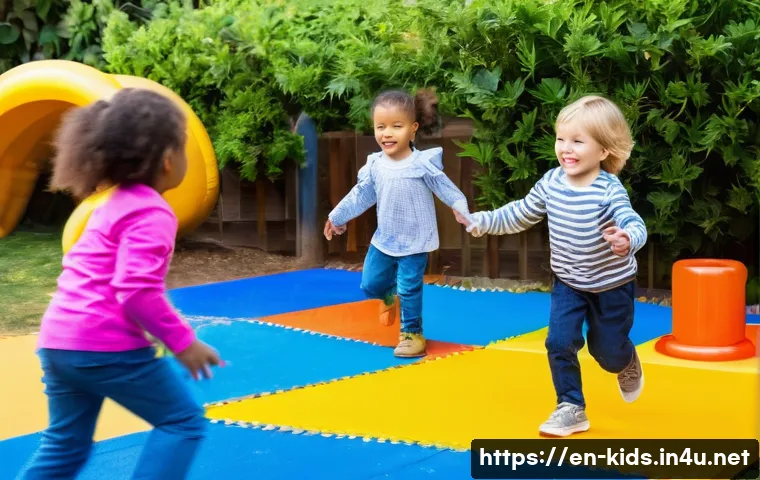
By applying psychological principles, teachers can foster emotional growth, enhance motivation, and support cognitive development in young learners. These insights not only improve classroom interactions but also build a strong foundation for lifelong learning.
Curious about how these concepts come to life in real educational settings? Let’s explore this topic in depth to uncover practical approaches and benefits!
Recognizing Developmental Milestones to Guide Teaching
Understanding Cognitive Growth Patterns
When working with young children, it’s essential to grasp how their thinking evolves. For instance, toddlers start with basic cause-and-effect reasoning, while preschoolers begin forming more complex ideas and problem-solving skills.
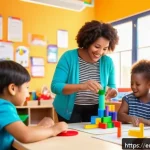
I’ve noticed that tailoring activities to these stages—like using hands-on experiments for toddlers or simple puzzles for preschoolers—really sparks their curiosity and deepens learning.
This approach prevents frustration, as kids aren’t pushed beyond their readiness, and it encourages steady progress.
Emotional and Social Development Awareness
Emotional growth is just as crucial as cognitive skills. Young children develop self-regulation and empathy gradually, and teachers who understand this can create supportive environments.
In my experience, when educators acknowledge children’s feelings and model positive social behavior, kids learn to express themselves better and build stronger peer relationships.
This emotional scaffolding reduces behavioral issues and creates a warm, trusting classroom atmosphere where kids feel safe to explore.
Physical Development and Its Impact on Learning
Physical abilities influence how children interact with their surroundings and peers. Fine motor skills, such as holding a pencil or using scissors, develop over time and affect writing readiness.
Gross motor skills like running or jumping play a role in classroom routines and outdoor play. From what I’ve seen, integrating movement into lessons—like acting out stories or using manipulatives—helps children stay engaged and supports overall development holistically.
Motivating Young Learners Through Psychological Strategies
Using Positive Reinforcement Effectively
Positive reinforcement isn’t just about praise; it’s about recognizing effort and progress in ways that feel genuine to children. I’ve found that specific feedback, such as “I love how you tried different colors on your drawing,” motivates kids far more than generic “good job” comments.
This kind of encouragement builds intrinsic motivation, making children eager to try new things and persist through challenges without needing constant external rewards.
Creating a Sense of Autonomy and Choice
Children thrive when they feel some control over their learning. Allowing choices—like picking which book to read or what activity to do next—fosters independence and responsibility.
I’ve witnessed shy or reluctant learners come alive when given options, as this respects their preferences and encourages ownership of their education.
Autonomy also helps develop decision-making skills early on, which benefits them beyond the classroom.
Incorporating Play-Based Learning
Play is often underestimated, but it’s a powerful motivational tool. Through play, kids experiment, solve problems, and engage socially without pressure.
My personal observations show that when lessons are disguised as games or imaginative activities, children naturally dive deeper into concepts and retain information better.
Play-based learning aligns with children’s developmental needs and keeps enthusiasm high throughout the day.
Tailoring Instruction to Diverse Learner Needs
Identifying Individual Strengths and Challenges
No two children learn the same way, so it’s crucial to observe and understand their unique profiles. For example, some kids might excel verbally but struggle with motor tasks, while others may have sensory sensitivities impacting classroom participation.
I’ve learned that early identification through careful observation helps customize teaching methods and prevents frustration or disengagement, creating a more inclusive setting where everyone can thrive.
Adapting Teaching Materials and Methods
Flexibility is key in early childhood education. Whether it’s providing tactile materials for kinesthetic learners or visual aids for those who respond better to images, adapting resources makes a huge difference.
From my experience, using a variety of approaches—storytelling, hands-on activities, songs—ensures that all children have multiple pathways to grasp new ideas, enhancing both understanding and enjoyment.
Supporting Language and Communication Development
Language skills form the foundation for most learning activities. Encouraging expressive and receptive language through conversations, storytelling, and songs can boost vocabulary and comprehension.
I often recommend small group discussions or partner activities because they provide safe spaces for shy children to practice speaking. When teachers intentionally nurture communication, children gain confidence and social competence simultaneously.
Building Emotional Resilience and Social Skills
Teaching Emotional Recognition and Regulation
Young children often struggle to identify and manage emotions, which can lead to outbursts or withdrawal. Implementing routines that include naming feelings, using emotion cards, or guided breathing exercises can help children gain control.
I’ve personally seen calmer classrooms when these practices are consistent, as kids learn to pause and express themselves appropriately rather than acting impulsively.
Encouraging Cooperative Play and Conflict Resolution
Social interactions are fertile grounds for learning negotiation and empathy. Teachers can facilitate cooperative games or role-playing scenarios where children practice sharing, turn-taking, and resolving disagreements.

I’ve noticed that when kids are coached through conflicts instead of being punished immediately, they develop stronger problem-solving skills and friendships that contribute to a positive classroom climate.
Modeling and Reinforcing Positive Social Behavior
Children imitate adults, so educators’ behavior sets the tone. Demonstrating kindness, patience, and respect creates a model for kids to follow. Additionally, acknowledging and rewarding prosocial actions reinforces these behaviors.
From my experience, classrooms where positive social norms are consistently highlighted see fewer behavioral issues and more genuine cooperation among children.
Enhancing Cognitive Development Through Targeted Activities
Promoting Critical Thinking and Problem Solving
Cognitive development flourishes when children are challenged with age-appropriate problems. Activities like sorting objects, pattern recognition, or simple puzzles encourage logical thinking and attention to detail.
I often incorporate open-ended questions during play or storytime to stimulate reasoning. These moments of guided exploration help children develop mental flexibility and curiosity, essential for lifelong learning.
Encouraging Memory and Attention Skills
Sustained attention and memory are crucial for academic readiness. Games like matching cards, sequencing events, or repeating rhythms can strengthen these abilities.
From what I’ve observed, children benefit when these skills are practiced in fun, low-pressure settings rather than forced drills. Gradual increases in task complexity keep them engaged without overwhelming their developing brains.
Integrating Language and Literacy Development
Early literacy is more than just recognizing letters; it involves understanding stories, vocabulary, and communication conventions. Reading aloud daily and encouraging storytelling boost comprehension and expressive skills.
I’ve found that interactive reading, where children ask questions or predict outcomes, deepens engagement and retention, laying a solid foundation for later academic success.
Creating Supportive Environments That Foster Growth
Designing Spaces That Encourage Exploration
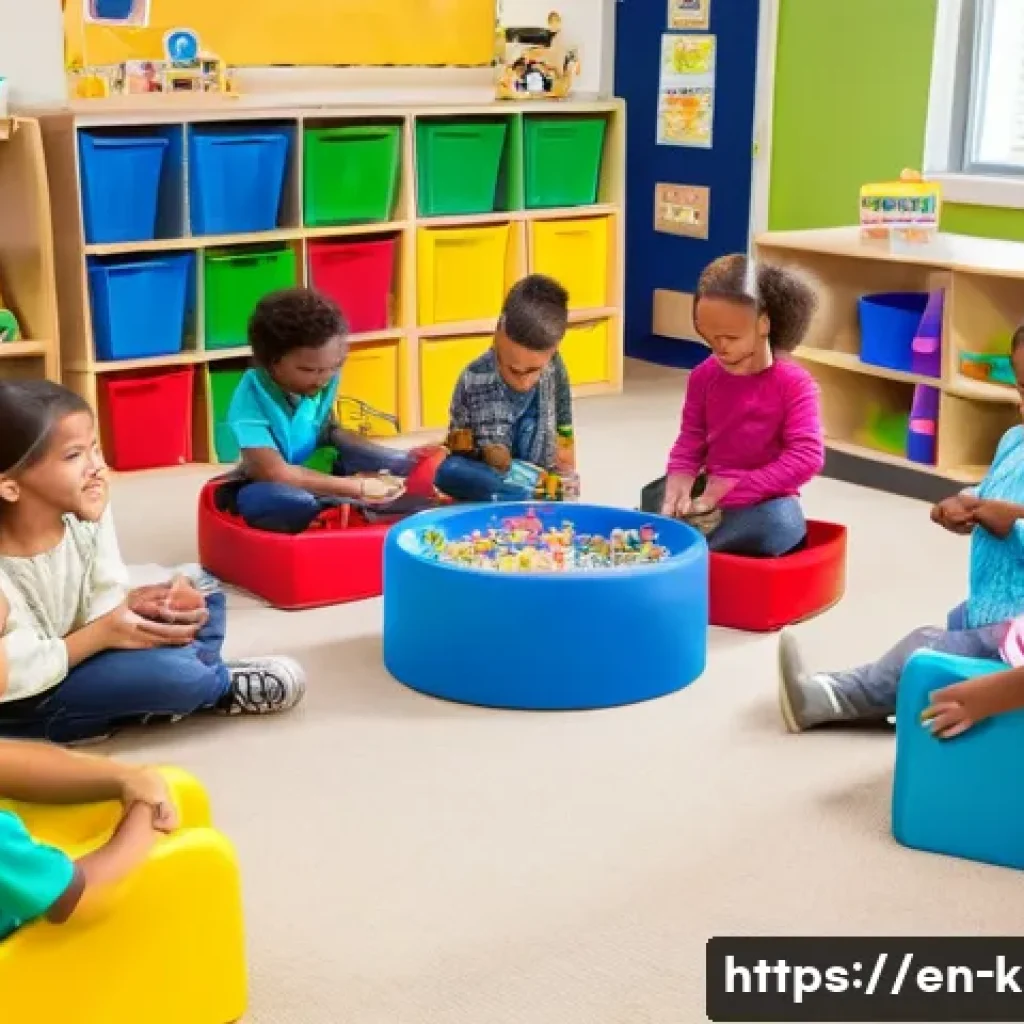
The physical classroom environment plays a huge role in learning. Spaces that are safe, inviting, and organized into distinct activity areas enable children to explore independently and collaboratively.
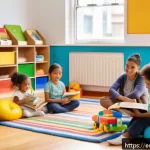
In my experience, having accessible materials and cozy reading corners invites kids to engage freely and discover at their own pace, fostering autonomy and creativity.
Establishing Predictable Routines and Transitions
Young children thrive on consistency, which helps them feel secure and understand expectations. Clear routines reduce anxiety and behavioral issues by providing structure.
I always recommend visual schedules and gentle verbal cues to help children anticipate transitions. This predictability creates a calm atmosphere where learning can happen smoothly.
Building Strong Teacher-Child Relationships
Trusting relationships with educators are the cornerstone of effective learning. When teachers show genuine interest and empathy, children feel valued and supported.
I’ve noticed that strong bonds increase participation, reduce anxiety, and encourage risk-taking in learning. Small gestures like remembering personal details or celebrating successes go a long way in building this foundation.
| Psychological Principle | Application in Early Childhood Education | Observed Benefits |
|---|---|---|
| Developmental Awareness | Tailoring activities to cognitive, emotional, and physical milestones | Improved engagement and reduced frustration |
| Motivation Strategies | Positive reinforcement, autonomy, play-based learning | Higher intrinsic motivation and sustained interest |
| Differentiated Instruction | Adapting materials and methods for diverse learners | Greater inclusion and personalized learning success |
| Emotional and Social Growth | Teaching regulation, cooperative play, modeling behavior | Enhanced emotional resilience and peer relationships |
| Cognitive Skill Building | Critical thinking, memory games, literacy activities | Stronger problem-solving and language abilities |
| Supportive Environment | Organized spaces, routines, strong teacher-child bonds | Increased security, autonomy, and classroom harmony |
글을 마치며
Recognizing and responding to children’s developmental milestones is fundamental for effective teaching. By understanding their cognitive, emotional, and physical growth, educators can create tailored learning experiences that inspire and support each child. When combined with motivational strategies and a nurturing environment, these practices foster lifelong skills and confidence. Ultimately, thoughtful guidance helps every young learner thrive in a positive and inclusive classroom.
알아두면 쓸모 있는 정보
1. Observing children closely allows teachers to identify their unique strengths and challenges early, which improves learning outcomes and prevents frustration.
2. Positive reinforcement that acknowledges specific efforts encourages children’s intrinsic motivation more than generic praise.
3. Offering choices in activities promotes autonomy and decision-making skills, helping children feel more engaged and responsible.
4. Integrating play-based learning supports natural curiosity and social interaction while deepening understanding of concepts.
5. Establishing predictable routines and strong teacher-child relationships creates a secure, supportive environment conducive to growth.
중요 사항 정리
Effective early childhood education hinges on tailoring instruction to developmental stages and individual needs. This involves recognizing cognitive, emotional, and physical milestones and adapting teaching methods accordingly. Motivational techniques like positive reinforcement and autonomy enhance engagement, while play fosters deeper learning and social skills. Creating structured, supportive environments with clear routines and strong relationships ensures children feel safe and empowered to explore and succeed.
Frequently Asked Questions (FAQ) 📖
Q: How does understanding developmental stages help teachers in early childhood education?
A: Knowing the developmental stages allows teachers to meet children where they are in terms of skills and abilities. For example, a toddler’s attention span and motor skills are very different from those of a preschooler.
When educators tailor their activities to these stages, children feel more engaged and confident. In my experience, when teachers adjust expectations and learning tasks to suit each stage, children show better progress and enjoy learning more.
Q: What psychological principles are most effective for motivating young learners?
A: Positive reinforcement and creating a supportive, safe environment are key. Young children respond incredibly well to praise, encouragement, and immediate feedback, which boosts their motivation.
Also, fostering intrinsic motivation by allowing choice and autonomy helps kids feel ownership of their learning. I’ve seen classrooms where children eagerly participate simply because they feel respected and their efforts are celebrated, which leads to sustained enthusiasm and curiosity.
Q: How can educational psychology improve emotional growth in early childhood settings?
A: Educational psychology helps teachers recognize emotional cues and guide children in expressing their feelings constructively. Techniques like modeling empathy, teaching self-regulation strategies, and encouraging social interaction are powerful.
From my observations, classrooms that integrate these approaches tend to have fewer conflicts and children develop stronger social skills. This emotional foundation not only makes learning smoother but also supports children’s overall well-being and resilience.