
Navigating the practical exam for early childhood education certification can be quite challenging without a clear understanding of the scoring criteria.
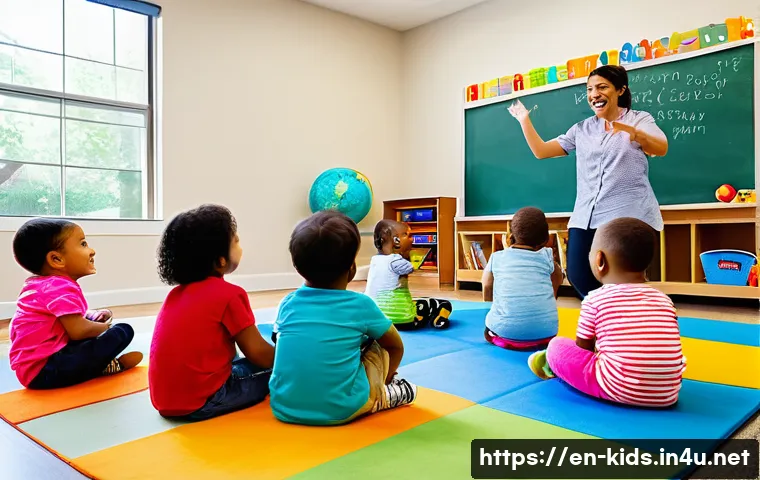
Knowing exactly what evaluators look for helps candidates focus their preparation more effectively and boosts confidence on test day. From communication skills to hands-on teaching techniques, every detail counts in achieving a passing score.
Having personally guided several aspiring educators, I’ve seen how clarity in scoring can transform stress into success. Let’s dive into the essential scoring guide so you know exactly what to expect and how to excel.
We’ll break it down step-by-step to make sure you’re fully prepared!
Mastering Effective Communication with Young Learners
Understanding Child-Centered Language
When interacting with young children during your practical exam, the way you use language matters immensely. Evaluators look for clear, simple, and positive communication that matches the child’s developmental level.
This means avoiding jargon or overly complex sentences and instead using familiar words, repetition, and encouraging tone. From my experience, candidates who naturally adjust their language to the child’s pace and respond warmly tend to score higher.
It’s not just about what you say but how you say it—your tone, facial expressions, and patience all contribute to making the interaction meaningful and supportive.
Nonverbal Communication and Engagement
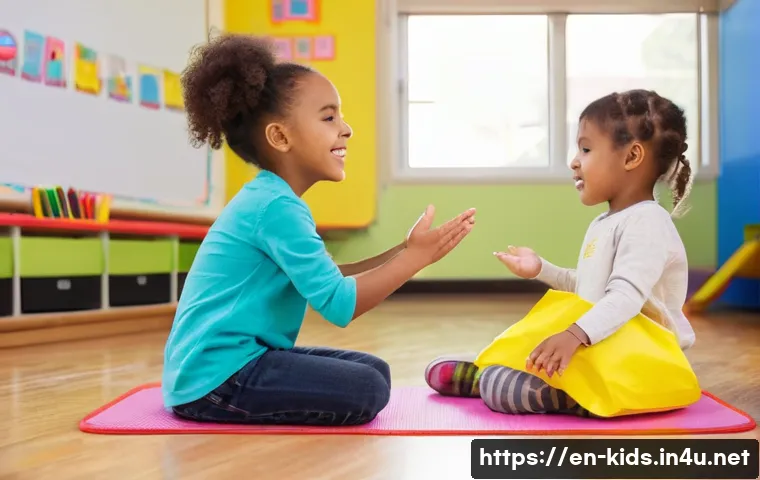
Body language and eye contact can sometimes speak louder than words in early childhood education. During the exam, showing genuine interest through your posture, gestures, and facial expressions signals to evaluators that you’re fully present and attentive.
I’ve seen many candidates lose points by appearing distracted or stiff, which disrupts the child’s comfort level. Instead, try to mirror the child’s energy and enthusiasm while maintaining calmness.
This creates a safe learning environment and fosters better engagement, something evaluators highly value.
Active Listening and Response Skills
Active listening is a crucial skill that often goes unnoticed until you practice it in real situations. When a child communicates—whether through words, sounds, or actions—your ability to respond thoughtfully demonstrates your understanding and respect for their needs.
During your exam, make sure to pause and acknowledge what the child says, ask open-ended questions, or provide encouragement. From what I’ve observed, candidates who show genuine curiosity and adapt their responses accordingly tend to build better rapport, which reflects positively in their scores.
Demonstrating Practical Teaching Techniques
Planning and Organization of Activities
Having a clear, well-structured plan for your teaching activity is essential. Evaluators expect to see that you’ve thought through the objectives, materials, and timing before you begin.
My advice is to prepare a flexible plan that allows you to adapt as needed but still follows a logical sequence. This balance shows your professionalism and ability to manage a classroom setting effectively.
Remember, a disorganized or rushed lesson often confuses young children and negatively impacts your evaluation.
Using Developmentally Appropriate Methods
One key to success is applying teaching methods that are suitable for the children’s age and abilities. This includes incorporating sensory play, storytelling, or hands-on experiments depending on the task.
I’ve noticed that candidates who demonstrate creativity and understanding of child development principles tend to impress evaluators. For instance, using props or visual aids to clarify concepts can make a big difference.
It’s not just about delivering content but about how you engage children in meaningful learning experiences.
Classroom Management and Safety Awareness
Keeping children safe and focused during activities is a critical part of the practical exam. Evaluators look closely at your ability to maintain order without being overly strict or punitive.
From personal coaching sessions, I’ve found that a calm, consistent approach with clear rules and gentle reminders works best. Also, being proactive about potential hazards, such as choking risks or slippery floors, demonstrates your responsibility and attentiveness.
This aspect often distinguishes top performers from the rest.
Assessment and Feedback Techniques
Observing and Recording Child Behavior
An effective early childhood educator knows how to observe subtle behaviors and developmental milestones during activities. During your exam, evaluators expect you to note important observations that can inform future teaching strategies.
I recommend practicing detailed yet concise recording methods beforehand, like using checklists or anecdotal notes. Candidates who can articulate their observations thoughtfully tend to convey a deeper understanding of child development, which positively influences their scores.
Providing Constructive and Encouraging Feedback
How you give feedback to children is just as important as the feedback itself. Positive reinforcement helps build confidence and motivation in young learners.
In my experience, examiners appreciate when candidates balance praise with gentle guidance to correct mistakes or encourage new attempts. For example, instead of saying “No, that’s wrong,” try “Great try!
Let’s see if we can do it this way.” This approach fosters a supportive environment and demonstrates your nurturing attitude.
Involving Parents in the Learning Process
Although the practical exam focuses on your interaction with children, showing awareness of parent involvement can set you apart. Communicating observations and progress to parents is a professional skill that reflects your holistic approach to education.
I’ve noticed that candidates who mention strategies for parent collaboration or share examples of how they would update parents score higher on professionalism and dedication.
It signals that you understand the bigger picture of early childhood education.
Time Management Strategies During the Exam
Allocating Time for Each Activity Segment
Efficiently dividing your time between introduction, activity, and wrap-up is crucial. In my coaching sessions, candidates often struggle with spending too long on one part and rushing others.
A balanced approach not only helps maintain children’s attention but also showcases your planning skills. A practical tip is to rehearse your timing beforehand and use a subtle timer if allowed.
This way, you stay on track and ensure all important elements are covered without feeling rushed.
Handling Unexpected Situations Calmly
Sometimes, children may get distracted, upset, or simply not follow instructions as planned. How you respond to these moments can make or break your performance.
From experience, staying calm and flexible under pressure impresses evaluators much more than rigid adherence to the plan. If a child needs extra attention or a quick change of activity, adapt smoothly and keep your composure.
This demonstrates professionalism and genuine care, which are critical qualities in early childhood educators.
Using Breaks and Transitions Effectively
Transitions between activities can be tricky, especially with young kids who may lose focus quickly. Planning smooth transitions—like songs, brief movement breaks, or simple cleanup routines—helps maintain a positive flow.
I’ve seen candidates lose points by having chaotic or long pauses, which disrupts the learning atmosphere. Practice incorporating engaging and quick transition techniques that keep children engaged without overwhelming them.
Key Competencies in Child Development Knowledge
Understanding Milestones and Individual Differences
Recognizing typical developmental milestones and variations among children is fundamental. During the exam, showing that you understand not all children progress at the same rate demonstrates sensitivity and professionalism.
I often encourage candidates to mention how they would tailor activities for different skill levels or needs. This depth of knowledge reassures evaluators that you can support diverse learners effectively.
Applying Theories to Practical Settings
Being able to link child development theories to real-world teaching scenarios is highly valued. For example, referencing Piaget’s stages when planning activities or using Vygotsky’s social development principles during group interactions can elevate your performance.
Candidates who weave theory naturally into their explanations and practice show a higher level of expertise, which positively impacts scoring.
Promoting Emotional and Social Growth
Beyond cognitive skills, fostering emotional intelligence and social skills is crucial in early childhood education. During your exam, demonstrate how you encourage sharing, cooperation, and empathy among children.
I’ve seen that candidates who emphasize these areas through role-playing or group games create a more holistic learning experience, which examiners recognize and reward.
Practical Presentation and Professionalism
Maintaining a Positive and Approachable Demeanor
Your attitude throughout the exam speaks volumes. A friendly smile, confident posture, and respectful interactions create a welcoming atmosphere for both children and evaluators.
From my observations, candidates who appear nervous or impatient often lose valuable points. Instead, focusing on breathing and reminding yourself that you’re capable can help maintain calmness and positivity.
Appropriate Use of Teaching Aids and Materials
The selection and handling of teaching aids play a vital role in your practical demonstration. Evaluators expect materials to be safe, relevant, and used effectively to enhance learning.
Candidates who prepare colorful, engaging props and know how to integrate them seamlessly into activities tend to stand out. Avoid overloading children with too many items, and always explain the purpose clearly.
Professional Attire and Presentation
While it may seem minor, dressing professionally and comfortably is part of making a good impression. Wearing clean, appropriate clothes that allow ease of movement shows respect for the role and examiners.
In my experience, candidates who appear well-prepared in their presentation tend to feel more confident, which naturally improves their overall performance.
| Scoring Criteria | Key Focus Areas | Tips for Success |
|---|---|---|
| Communication Skills | Child-friendly language, nonverbal cues, active listening | Use simple words, maintain eye contact, respond warmly |
| Teaching Techniques | Activity planning, age-appropriate methods, classroom management | Prepare flexible plans, use sensory play, stay calm and consistent |
| Assessment & Feedback | Observation, constructive feedback, parent involvement | Record key behaviors, use positive reinforcement, mention parent updates |
| Time Management | Balanced timing, calm adaptability, smooth transitions | Rehearse timing, stay flexible, use engaging transition methods |
| Child Development Knowledge | Milestones, theory application, emotional/social growth | Tailor activities, reference theories, encourage social skills |
| Presentation & Professionalism | Positive demeanor, appropriate materials, professional attire | Stay confident, prepare props carefully, dress neatly |
Conclusion
Mastering effective communication and practical teaching skills with young learners is essential for success in your exam and beyond. By combining clear language, thoughtful planning, and genuine engagement, you create a positive learning environment that supports children’s growth. Remember, your attitude and adaptability play a big role in how you connect with both children and evaluators. Keep practicing these techniques to build confidence and professionalism.
Useful Information to Remember
1. Always tailor your language to match the child’s developmental level to ensure clear understanding and comfort.
2. Use nonverbal cues like eye contact and body language to show attentiveness and build rapport.
3. Prepare flexible lesson plans that allow for smooth transitions and unexpected changes during activities.
4. Provide positive, constructive feedback that encourages effort and builds children’s confidence.
5. Engage parents by sharing observations and progress to support a well-rounded educational experience.
Key Takeaways
Effective communication with young learners requires simplicity, patience, and warmth. Planning activities that are developmentally appropriate and adaptable demonstrates professionalism and care. Observing and responding to children thoughtfully helps build trust and supports their growth. Managing time wisely and staying calm during unexpected moments highlights your ability to lead confidently. Lastly, presenting yourself positively and using teaching aids effectively enhances both the learning atmosphere and your overall impression.
Frequently Asked Questions (FAQ) 📖
Q: What are the key areas evaluators focus on during the early childhood education practical exam?
A: Evaluators typically look for a combination of communication skills, classroom management, and hands-on teaching techniques. They want to see how well you engage with young children, use age-appropriate activities, and handle unexpected situations calmly.
Demonstrating clear instructions, patience, and adaptability are crucial. From my experience, showing genuine enthusiasm and building rapport with the children can really make your performance stand out.
Q: How can I best prepare to meet the scoring criteria and reduce exam-day anxiety?
A: Preparation is all about practice and understanding the rubric inside out. I recommend rehearsing common teaching scenarios with a mentor or peer and recording yourself to spot areas for improvement.
Familiarize yourself with the scoring guide so you know what specific behaviors and skills earn points. On exam day, take deep breaths and remind yourself that the evaluators want to see your potential, not perfection.
Confidence often comes from knowing what’s expected and feeling ready, which practice helps build.
Q: What common mistakes should I avoid during the practical exam to ensure a passing score?
A: A few pitfalls can really lower your score, such as rushing through activities, ignoring children’s cues, or using overly complex language. Also, avoid seeming disorganized or unprepared—this can signal to evaluators that you’re not fully ready.
From what I’ve seen, failing to manage the classroom environment calmly or missing opportunities to encourage positive behavior are red flags. Staying present, flexible, and child-focused throughout the exam is your best bet for success.