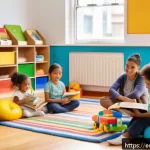
Preparing for the practical exam in early childhood education can feel overwhelming, especially when you’re unsure which scenarios are most likely to appear.
Understanding common case studies not only boosts your confidence but also sharpens your ability to apply theory in real-life situations. Many candidates find that focusing on these frequently tested examples helps them perform better under pressure.
Whether it’s managing challenging behaviors or creating engaging learning activities, knowing what to expect is a game changer. Let’s dive deeper and explore these key cases to give you a solid edge.
I’ll walk you through everything you need to know!
Effective Strategies for Handling Toddler Tantrums
Recognizing Triggers and Patterns
Toddlers often have tantrums as a way to express frustration or unmet needs, but identifying what sparks these episodes is crucial. From my experience, common triggers include tiredness, hunger, or overstimulation.
Watching closely, you might notice tantrums happen more frequently during transitions, like moving from playtime to mealtime. Understanding these patterns helps you anticipate and prevent meltdowns before they escalate.
For example, I’ve found that offering a quiet activity or a snack before a known “difficult time” can make a huge difference. It’s all about tuning into the child’s rhythm and responding proactively rather than reactively.
Calm and Consistent Responses
When a tantrum does occur, staying calm is absolutely vital. Yelling or showing frustration tends to fuel the fire rather than extinguish it. I’ve learned that using a soft, steady voice and maintaining eye contact reassures the child that they’re safe even if their behavior is challenging.
Consistency in your response also matters a lot—if you allow a tantrum to win sometimes but not others, it confuses the child. Instead, set clear limits gently but firmly, and follow through every time.
This consistent approach builds trust and helps children learn self-regulation over time.
Redirecting and Offering Choices
Once the initial intensity of the tantrum fades, redirecting the child’s attention to something positive or giving them simple choices can empower them.
For example, instead of saying “No, you can’t have that,” try offering “Would you like to play with the blocks or read a book?” This small element of control reduces frustration and engages the child’s decision-making skills.
In my practical sessions, I noticed children respond well when they feel heard and involved, which often shortens the duration of tantrums and encourages cooperation.
Designing Interactive Learning Environments
Creating Zones for Different Activities
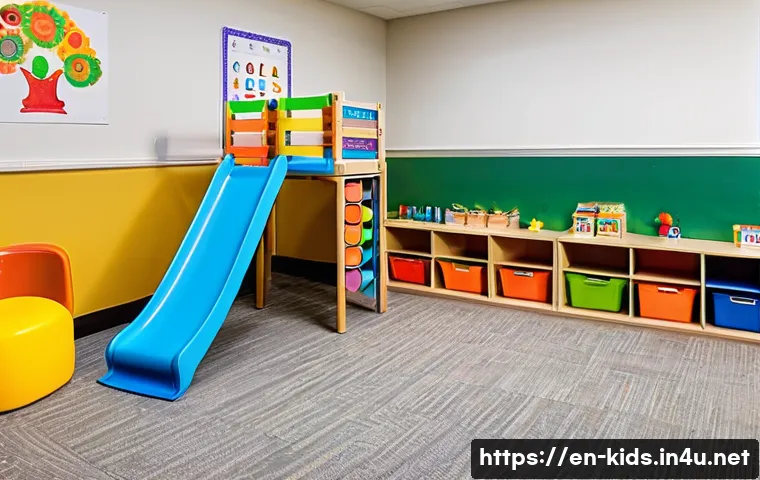
Setting up a classroom or play area with distinct zones for various activities fosters independence and focus. For instance, a quiet reading corner, an arts and crafts table, and a gross motor play space each serve different developmental needs.
I’ve found that labeling these areas clearly with pictures and words helps young children navigate the space confidently. This organization not only promotes self-directed learning but also reduces conflicts over resources since children know where to find what they want.
Incorporating Sensory Play
Sensory activities are essential for young learners as they stimulate brain development and fine motor skills. Activities involving water, sand, or textured materials invite exploration and creativity.
I remember running a session with a sensory bin filled with rice and small toys, and the children were completely absorbed, which helped them practice patience and focus.
Including sensory play in your lesson plans can also support children with sensory processing challenges, making the environment more inclusive.
Balancing Structure with Flexibility
While routines provide security, allowing some flexibility keeps children engaged and responsive. For example, having a schedule but being open to spontaneous storytelling or outdoor play when the mood strikes can make learning feel less rigid.
From my observation, kids thrive when they feel their interests are respected within the structure. It’s a delicate balance—too much rigidity can cause resistance, but too little can lead to chaos.
Finding this middle ground is a skill worth honing for any educator.
Supporting Social-Emotional Development through Play
Facilitating Cooperative Games
Cooperative play teaches children essential skills like sharing, empathy, and problem-solving. I often introduce simple group games where children have to work together to achieve a goal, like building a block tower or completing a puzzle.
Observing their interactions gives valuable insight into their social skills and helps identify those who may need extra support. Encouraging positive communication during these games helps build a foundation for healthy relationships later on.
Role-Playing to Explore Emotions
Role-playing scenarios allow children to safely express and understand feelings. For example, acting out common situations such as making a new friend or resolving a disagreement can be very insightful.
I once guided a group through a “feelings charades” game, and it was fascinating to see how they identified and labeled emotions like happiness, sadness, or anger.
This kind of play not only fosters emotional literacy but also empowers children to manage their feelings constructively.
Modeling and Reinforcing Positive Behavior
Children learn a lot by watching adults, so modeling kindness, patience, and respect is critical. I always make a point to narrate my actions, like saying “I’m waiting patiently for my turn,” to make expectations clear.
Reinforcing positive behavior with praise or small rewards encourages repetition. Over time, these consistent efforts help children internalize social norms and develop self-control.
Adapting Activities for Diverse Learning Needs
Observing Individual Strengths and Challenges
Every child learns differently, and the key is to observe and tailor activities accordingly. Some children may be verbal and thrive in storytelling, while others might prefer hands-on experiments.
I keep a journal during my practicum to note these preferences and challenges, which allows me to adjust plans on the fly. Recognizing these differences early helps prevent frustration and promotes a sense of accomplishment for each child.
Using Visual Supports and Clear Instructions

Visual aids like picture schedules, charts, or simple diagrams can significantly help children who struggle with verbal instructions or attention. In one classroom, I introduced a daily visual timetable, and it noticeably reduced confusion and improved transitions between activities.
Clear, concise language paired with visuals makes learning accessible for all, especially children with language delays or autism spectrum disorders.
Collaborating with Families and Specialists
Working alongside parents and specialists ensures a comprehensive approach to meeting a child’s needs. I’ve found that regular communication, whether through brief chats or written notes, builds trust and consistency between home and school.
When necessary, consulting with speech therapists or occupational therapists provides additional strategies and supports. This teamwork enriches the learning environment and benefits the child’s overall development.
Managing Group Dynamics and Conflicts
Establishing Clear Rules and Expectations
Setting simple, understandable rules from the start helps children know what’s acceptable behavior. I recommend involving children in creating these rules so they feel ownership.
For example, agreeing on “We use kind words” or “We take turns” creates a shared sense of responsibility. Clear expectations reduce conflicts and promote a positive atmosphere.
Teaching Conflict Resolution Skills
When disagreements arise, guiding children through problem-solving steps is invaluable. Teaching phrases like “I feel upset when…” or “Can we share?” equips them with tools to express themselves calmly.
I practice these steps with role-playing during circle time, which prepares them for real situations. Encouraging empathy by asking “How would you feel if…?” also deepens understanding.
Using Time-Outs and Positive Reinforcement Wisely
Time-outs can be effective if used thoughtfully—not as punishment but as a chance to calm down. I always explain why the child is taking a break and what they can do differently next time.
Coupling this with positive reinforcement for good behavior encourages learning rather than fear. Balance is key to helping children develop self-regulation skills.
Integrating Technology Responsibly in Early Learning
Selecting Age-Appropriate Educational Apps
With so many digital options, choosing the right apps can be daunting. I look for those that encourage creativity, problem-solving, and interaction rather than passive watching.
Apps that allow children to build, explore, or practice skills align well with developmental goals. It’s important to preview content thoroughly to ensure it’s safe and beneficial.
Setting Time Limits and Encouraging Active Use
Screen time should be limited and purposeful. I recommend short, focused sessions with adult involvement to guide learning and avoid overexposure. For instance, after using an app, discussing what was learned or relating it to a hands-on activity extends the educational value.
This approach keeps technology a tool, not a distraction.
Balancing Technology with Traditional Play
Technology should complement, not replace, physical and social play. I always schedule plenty of time for outdoor activities, arts, and imaginative games.
Kids need varied experiences to develop motor skills, social interactions, and creativity. Striking this balance promotes holistic development and prevents dependence on screens.
| Scenario | Common Challenges | Effective Strategies | Expected Outcomes |
|---|---|---|---|
| Managing Toddler Tantrums | Emotional outbursts, communication gaps | Identify triggers, stay calm, offer choices | Reduced frequency and intensity of tantrums, better self-regulation |
| Designing Learning Environments | Disorganization, lack of engagement | Create activity zones, include sensory play, balance routine | Increased independence, focused attention, inclusive learning |
| Supporting Social-Emotional Growth | Sharing conflicts, emotional expression difficulties | Cooperative games, role-playing, positive modeling | Improved empathy, communication skills, self-control |
| Adapting for Diverse Learners | Varied learning styles, communication barriers | Observe needs, use visuals, collaborate with families | Personalized support, higher engagement, consistent progress |
| Managing Group Conflicts | Disagreements, behavioral issues | Set clear rules, teach resolution, balance discipline | Positive group dynamics, conflict resolution skills |
| Integrating Technology | Overuse, passive screen time | Choose apps wisely, limit use, blend with play | Enhanced learning, balanced development |
In Conclusion
Handling toddler tantrums and creating supportive learning environments require patience, understanding, and consistency. By recognizing triggers, offering choices, and fostering social-emotional growth, caregivers and educators can nurture children’s development effectively. Tailoring approaches to individual needs and balancing technology use further enriches the learning experience. With these strategies, both children and adults can navigate challenges more smoothly and enjoy meaningful interactions.
Useful Information to Keep in Mind
1. Identifying patterns in toddler behavior helps prevent many tantrums before they start, making daily routines smoother for everyone.
2. Organizing learning spaces into clear activity zones encourages independence and reduces conflicts among young children.
3. Cooperative games and role-playing not only enhance social skills but also support emotional understanding and regulation.
4. Using visual supports and collaborating with families ensures that diverse learning needs are met effectively and compassionately.
5. Limiting screen time and integrating technology thoughtfully promotes balanced development without sacrificing creativity or physical activity.
Key Takeaways
Consistent calmness and clear communication are essential when managing toddler tantrums to build trust and encourage self-regulation. Designing interactive, sensory-rich environments fosters engagement and independence. Supporting social-emotional growth through play and modeling positive behavior lays a foundation for healthy relationships. Adapting methods for individual learners and maintaining close collaboration with families optimize progress. Lastly, responsible technology use enhances learning without replacing vital hands-on experiences, ensuring well-rounded development.
Frequently Asked Questions (FAQ) 📖
Q: What are the most common scenarios I should prepare for in the early childhood education practical exam?
A: From my experience and talking with fellow candidates, the exam often focuses on scenarios involving behavior management, such as handling tantrums or sharing conflicts.
You’ll also frequently encounter case studies about planning age-appropriate activities that promote social, emotional, and cognitive development. Additionally, scenarios related to safety protocols and effective communication with children and parents tend to come up.
Preparing for these key areas will help you feel more confident and ready to tackle whatever the exam throws at you.
Q: How can I effectively apply theory to practical situations during the exam?
A: It really helps to connect theoretical concepts with real-life examples you’ve observed or practiced. For instance, if you’ve studied attachment theory, think about how you would support a child showing separation anxiety in a classroom.
When answering, explain not only the theory but also how you would use specific strategies like offering comfort objects or establishing consistent routines.
Practicing role-playing or discussing these cases with peers can deepen your understanding and make your responses feel natural rather than textbook.
Q: What tips can improve my performance under pressure in the practical exam?
A: One thing I found useful was practicing mindfulness and deep breathing before the exam to calm nerves. Also, try to listen carefully to each scenario and pause briefly to organize your thoughts rather than rushing.
Breaking down the problem into manageable parts—identifying the child’s needs, appropriate interventions, and safety considerations—helps keep your answers clear and focused.
Remember, examiners appreciate thoughtful, realistic approaches, so draw on your own experiences and stay calm, showing confidence in your ability to handle real classroom challenges.