
Navigating a career in early childhood education requires more than just passion—it demands continuous growth and proactive skill development. As an early childhood educator, staying updated with the latest teaching strategies, child development research, and classroom technologies can make all the difference.
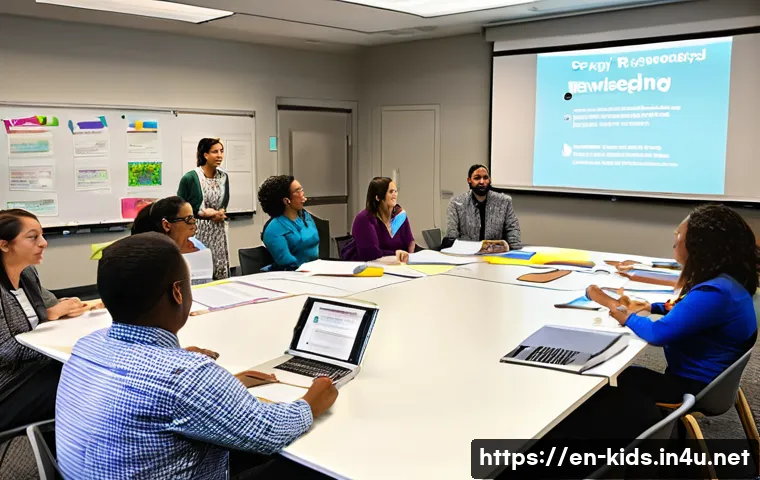
Engaging in professional workshops, networking with fellow educators, and pursuing advanced certifications are just a few ways to enhance your expertise.
These activities not only boost your confidence but also open doors to exciting opportunities in the field. Ready to explore how you can effectively build your career as an early childhood education professional?
Let’s dive in and uncover the key steps together!
Embracing Lifelong Learning to Elevate Your Expertise
Exploring Diverse Professional Development Workshops
Attending workshops beyond the basics can be a game changer in early childhood education. I found that workshops focused on trauma-informed teaching or inclusive classroom strategies often provide fresh perspectives that textbooks don’t cover.
These sessions tend to be hands-on, offering practical tools you can immediately apply. Plus, engaging directly with experts and peers during these workshops allows you to ask questions and get feedback, which really deepens your understanding.
Over time, I noticed that these experiences not only sharpened my skills but also kept me energized and passionate about teaching.
Networking: More Than Just Meeting People
Connecting with other educators isn’t just about swapping lesson plans—it’s about building a supportive community that fosters growth. From casual meetups to professional conferences, I’ve learned that sharing challenges and successes with others in the field helps me stay motivated and learn new approaches.
When I joined a local early childhood education group, the insights I gained were invaluable, especially when tackling tricky classroom dynamics or keeping up with policy changes.
These relationships often lead to collaborative projects or mentorship opportunities that can really accelerate your career.
Advanced Certifications: Opening Doors and Expanding Horizons
Pursuing additional certifications, such as in special education or child psychology, can significantly enhance your professional profile. I remember when I earned my certification in developmental screening—it gave me a whole new lens to observe and support children’s needs.
Not only did this boost my confidence, but it also increased my value to employers who seek well-rounded educators. Plus, these credentials often come with updated research and methods, so you’re always working with the latest knowledge.
It’s a commitment, for sure, but one that pays off in both personal satisfaction and career advancement.
Integrating Technology to Enhance Early Learning
Using Digital Tools to Support Child Development
When I first started incorporating educational apps and interactive whiteboards, I was amazed by how much engagement and curiosity they sparked among the kids.
Technology, when used thoughtfully, can complement traditional teaching methods by offering personalized learning experiences and instant feedback. For example, apps that focus on phonics or math skills can adapt to each child’s pace, ensuring no one feels left behind.
Of course, it’s crucial to balance screen time with hands-on activities, but embracing these tools has definitely made my teaching more dynamic and effective.
Staying Updated with EdTech Innovations
The world of educational technology is constantly evolving, which can feel overwhelming. I make it a point to read blogs, attend webinars, and test out new tools whenever possible.
Some months ago, I discovered a platform that allows for virtual storytelling sessions, which was a hit with my students during remote learning days. Keeping up with these trends not only enhances your toolkit but also signals to employers that you’re adaptable and forward-thinking.
Plus, it’s fun to experiment with new tech and find creative ways to engage young learners.
Challenges and Solutions in Tech Integration
Of course, integrating technology isn’t without hurdles. Issues like limited access, technical glitches, or varying levels of digital literacy among children and parents can create obstacles.
I’ve learned that clear communication with families and ongoing tech support are key. Creating simple guides for parents and setting up consistent routines for device use help smooth the transition.
Also, having backup plans ensures that learning continues uninterrupted if the tech fails. These solutions have made me feel more confident and prepared in my tech-enhanced classroom.
Building a Professional Portfolio that Reflects Growth
Documenting Achievements and Milestones
Keeping a detailed record of your accomplishments, from certifications to special projects, is invaluable. I started a digital portfolio where I upload lesson plans, photos of classroom activities, and reflections on what worked well or what I’d improve next time.
This practice has helped me track my progress and prepare for performance reviews or job interviews. It also serves as a personal motivator, reminding me of how far I’ve come and the impact I’ve made on children’s lives.
Showcasing Impact Through Stories and Testimonials
Numbers and certificates are important, but stories about how you’ve positively influenced children or families add a powerful human touch. Collecting testimonials from parents, supervisors, and even colleagues has been an eye-opener.
These narratives highlight your dedication, creativity, and problem-solving skills in real-world settings. When I share these stories in applications or networking conversations, they often spark meaningful connections and opportunities.
Leveraging Portfolios for Career Advancement
A well-organized portfolio can be a game changer when seeking new roles or promotions. I’ve used mine to demonstrate my evolving expertise and commitment to professional growth.
It’s also a conversation starter during interviews, allowing me to discuss specific examples rather than speaking in generalities. Beyond job hunting, updating your portfolio regularly keeps you mindful of your goals and areas for improvement, turning it into a living document of your career journey.
Understanding the Importance of Reflective Practice
Self-Assessment as a Tool for Continuous Improvement
Taking time to reflect on daily classroom experiences has been one of the most effective ways I’ve grown as an educator. After each week, I jot down what activities resonated most with children and which ones didn’t land as expected.
This habit has helped me fine-tune my teaching style and better address individual needs. Reflective practice isn’t about perfection but about honest evaluation and learning from each moment, which has made me more adaptable and empathetic.
Peer Feedback: Gaining New Perspectives
Inviting colleagues to observe and provide constructive feedback can be intimidating at first, but it’s incredibly rewarding. I recall a moment when a fellow teacher pointed out a subtle way I could enhance engagement during circle time, which I hadn’t noticed myself.
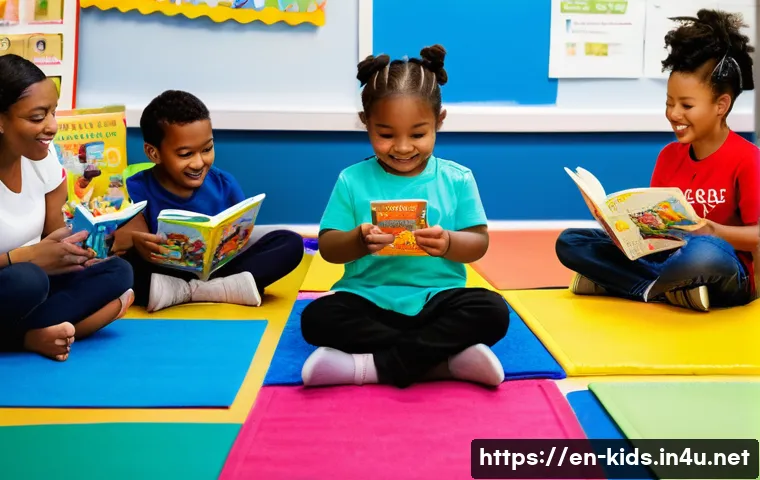
These insights, coming from trusted peers, often open doors to new strategies and affirm that growth is a shared journey. Over time, I’ve found that fostering a culture of mutual support elevates everyone’s practice.
Journaling and Reflective Writing Techniques
Writing about your experiences can deepen reflection and make it more structured. I keep a journal where I not only document classroom happenings but also explore my feelings and reactions.
This process helps me identify patterns, celebrate successes, and address challenges thoughtfully. Sometimes, writing prompts focused on specific themes like classroom management or communication skills push me to think more critically.
This method has been a personal anchor, especially during stressful periods.
Engaging Families as Partners in Education
Effective Communication Strategies
Building strong relationships with families has been a cornerstone of my teaching philosophy. I’ve found that consistent, transparent communication—whether through newsletters, emails, or quick chats at pickup—creates trust and collaboration.
Sharing not just concerns but also positive moments encourages parents to be active partners. When families feel informed and valued, children benefit from a more cohesive support system both at home and school.
Involving Parents in Learning Activities
Inviting parents to participate in classroom events or home-based projects bridges the gap between school and family life. I remember organizing a “family story night” where parents read to the class or shared cultural traditions.
These activities deepen children’s sense of identity and community while allowing parents to see their role in education firsthand. It also creates opportunities for meaningful conversations about child development and learning goals.
Addressing Diverse Family Needs
Every family brings unique backgrounds and circumstances, which means a one-size-fits-all approach doesn’t work. I make it a point to listen actively and adapt communication styles accordingly.
For example, providing translated materials or flexible meeting times can make a huge difference. Recognizing and respecting diversity fosters inclusivity and ensures that all families feel welcomed and supported.
Exploring Leadership Opportunities Within Early Childhood Education
Taking on Mentorship Roles
Once I felt confident in my teaching skills, stepping into mentorship roles became a natural progression. Guiding new educators or student teachers not only reinforced my own knowledge but also honed my leadership abilities.
Mentorship requires patience, empathy, and clear communication—all skills that have enriched my professional life beyond the classroom. It’s incredibly fulfilling to contribute to the growth of others while strengthening the community.
Leading Curriculum Development Initiatives
Being involved in curriculum design has allowed me to influence educational quality on a broader scale. Collaborating with colleagues to develop age-appropriate, engaging lesson plans challenges you to think creatively and strategically.
When I participated in a curriculum committee, it gave me insight into program goals and assessment standards, deepening my understanding of how education systems operate.
This experience also boosted my resume and opened doors to leadership positions.
Advocating for Early Childhood Education Policies
Engaging in advocacy work has been both eye-opening and empowering. Whether through local forums, professional associations, or community events, speaking up about the needs and value of early childhood education has made me feel like part of a bigger movement.
Advocacy requires knowledge of policy issues and the ability to communicate effectively with stakeholders. It’s a way to influence positive change that benefits children, families, and educators alike.
| Professional Development Activity | Benefits | Examples | Time Commitment |
|---|---|---|---|
| Workshops & Seminars | Hands-on learning, updated strategies, networking | Trauma-informed teaching, inclusive practices | Half-day to multi-day sessions |
| Advanced Certifications | Enhanced qualifications, deeper knowledge, career advancement | Special education, developmental screening | Several months to a year |
| Technology Integration | Improved engagement, personalized learning, adaptability | Educational apps, virtual storytelling | Ongoing learning and experimentation |
| Reflective Practice | Self-awareness, continuous improvement, emotional resilience | Journaling, peer feedback | Weekly or daily short sessions |
| Family Engagement | Stronger partnerships, inclusive environment, better child outcomes | Family story nights, newsletters | Regular communication and event planning |
| Leadership Roles | Professional growth, influence on curriculum and policy, mentorship skills | Mentoring new teachers, curriculum committees | Varies, often part-time alongside teaching |
Conclusion
Continuous learning and professional growth are essential for thriving in early childhood education. By embracing new knowledge, technology, and collaborative opportunities, educators can enrich their practice and better support children’s development. Staying open to reflection and family engagement also strengthens the foundation for meaningful teaching. Ultimately, investing in yourself as a professional translates into greater impact and fulfillment in your career.
Useful Information to Keep in Mind
1. Professional development workshops provide hands-on experience and fresh insights that go beyond traditional training methods.
2. Building a strong network with fellow educators opens doors to support, collaboration, and career opportunities.
3. Advanced certifications enhance your expertise and make you more competitive in the job market.
4. Integrating technology thoughtfully can boost student engagement while requiring clear communication and backup plans.
5. Reflective practice and family involvement are key to creating a supportive and effective learning environment.
Key Takeaways
Prioritize ongoing education to stay current and passionate in your role. Cultivate meaningful relationships with peers and families to enrich your professional journey. Utilize technology as a tool, not a replacement, while maintaining flexibility. Document your achievements to showcase growth and readiness for new challenges. Embrace leadership opportunities to influence positive change within your field and community.
Frequently Asked Questions (FAQ) 📖
Q: What are the most effective ways to stay updated with the latest trends in early childhood education?
A: From my experience, the best way to keep up-to-date is by actively participating in professional development workshops and conferences. These events often highlight cutting-edge teaching strategies and new research findings.
Additionally, joining educator networks or online communities allows you to share insights and learn from peers. Subscribing to reputable journals and following thought leaders on social media also helps you stay informed about emerging classroom technologies and child development theories.
Q: How can pursuing advanced certifications benefit my career in early childhood education?
A: Advanced certifications can be a game-changer. When I earned my specialized certification, I noticed a significant boost in my confidence and credibility among colleagues and employers.
Certifications signal your commitment to the profession and mastery of key skills, which often leads to better job prospects and opportunities for leadership roles.
Plus, many programs offer practical tools and fresh perspectives that you can immediately apply in your classroom, enhancing your effectiveness as an educator.
Q: What practical steps can I take to build a strong professional network in early childhood education?
A: Building a network doesn’t have to be intimidating. Start by attending local meetups, workshops, or seminars where educators gather. Volunteering for committees or community events can also connect you with like-minded professionals.
Personally, I found that joining online forums and social media groups dedicated to early childhood education made a huge difference—these platforms offer daily interactions and support.
Remember, genuine relationships grow from consistent, authentic engagement rather than just exchanging business cards.