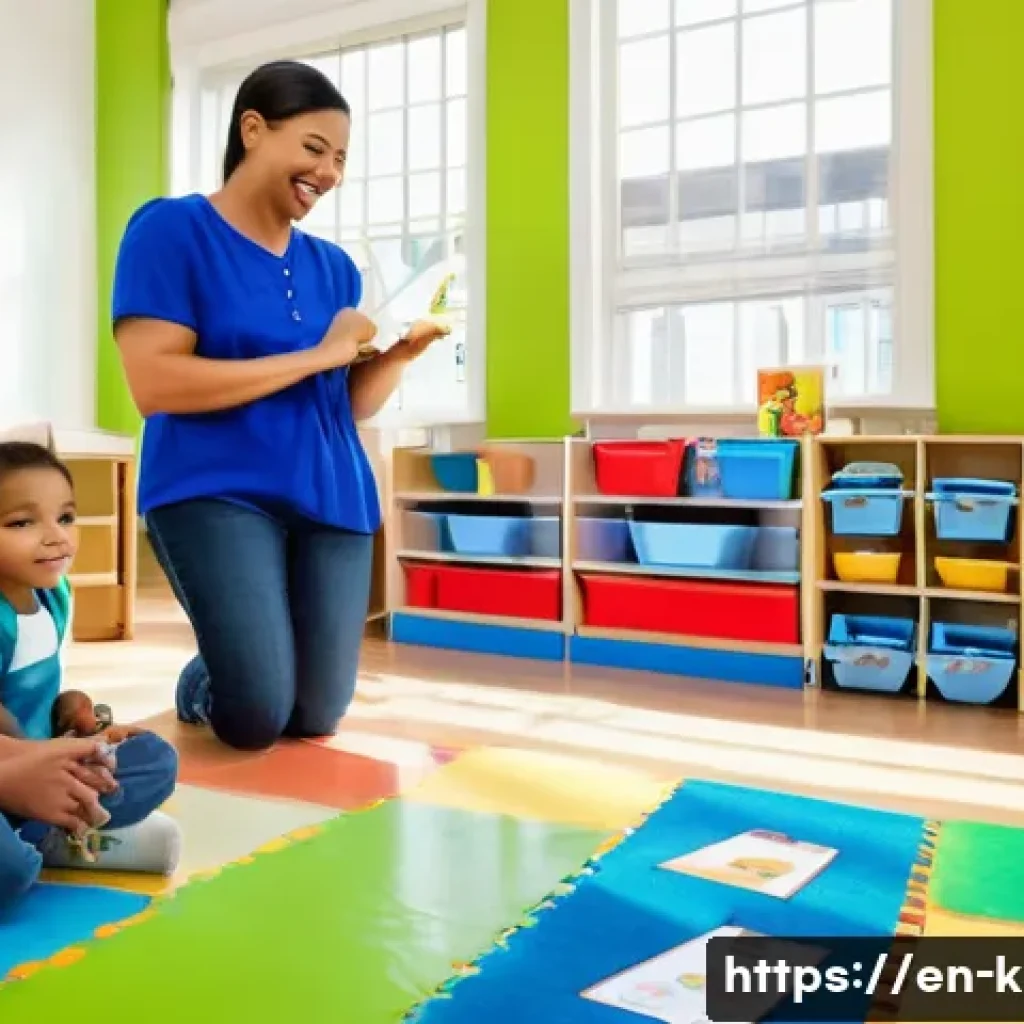
Navigating the challenges during early childhood education practicum can feel overwhelming, especially when theory meets real-life situations. Many aspiring educators find themselves grappling with classroom management, communication barriers, and adapting lesson plans on the fly.

From my own experience, these obstacles often become valuable learning moments that shape your teaching style. Understanding how to effectively address these issues not only boosts confidence but also enhances your impact on young learners.
Let’s dive deeper and uncover practical strategies that truly make a difference. Stick with me, and I’ll guide you through it all!
Building a Positive Classroom Atmosphere from Day One
Setting Clear Expectations with Young Learners
Creating a welcoming and structured environment right from the start can make all the difference. I remember walking into my first practicum classroom feeling nervous, but I quickly learned that establishing clear, simple rules helped the kids understand what was expected without feeling overwhelmed.
Instead of long lists, I used visual cues and consistent routines—like a morning circle time and a “quiet hands” signal—that made it easier for children to follow along.
This approach not only minimized disruptions but also gave me a framework to gently redirect behavior when needed. Kids thrive on predictability, so investing time early to set those expectations made my days smoother and more enjoyable.
Using Positive Reinforcement to Encourage Good Behavior
Positive reinforcement became my secret weapon when managing a lively group of toddlers and preschoolers. I found that praising even the smallest efforts—like sharing toys or sitting quietly during storytime—helped build their confidence and motivated others to join in.
Stickers, high-fives, and enthusiastic verbal affirmations turned into powerful motivators. When a child struggled, I focused on recognizing their progress instead of pointing out mistakes, which made them feel supported rather than criticized.
Over time, this created an encouraging atmosphere where kids wanted to participate and behave well, simply because they felt good about themselves.
Handling Challenging Behaviors with Empathy and Patience
Of course, not every day was smooth sailing. There were moments when tantrums, biting, or refusal to follow instructions tested my patience. What helped me most was pausing to understand the root cause—whether a child was tired, hungry, or feeling frustrated.
Instead of reacting with frustration, I learned to kneel down, get eye-level, and calmly talk through their feelings. Sometimes offering a quiet corner or a calming activity helped them regain control.
It’s not easy in the moment, but stepping back and showing empathy turned those tough situations into learning opportunities—for both me and the kids.
Effective Communication with Parents and Supervisors
Building Trust through Honest and Regular Updates
One of the trickiest parts of the practicum was keeping parents informed without overwhelming them. From my experience, the best approach was a quick daily or weekly note highlighting what their child enjoyed or any small concerns, paired with positive feedback.
This showed parents that I was attentive and cared deeply about their child’s growth. Being honest about challenges, but framing them constructively, helped establish trust rather than creating defensiveness.
When parents felt included and informed, they were more willing to partner in supporting their child’s development.
Seeking and Incorporating Supervisor Feedback
Your practicum supervisor is a goldmine of knowledge, and I quickly learned the importance of actively seeking their advice. After lessons or activities, I made it a habit to ask what went well and what could improve.
Sometimes their feedback was tough to hear, but I reminded myself it was meant to help me grow. I also kept a journal of their suggestions and reflected on them before my next session.
This ongoing dialogue not only improved my teaching skills but showed my supervisor I was committed, which often led to more meaningful mentorship.
Navigating Difficult Conversations with Confidence
Occasionally, I faced situations where I had to discuss sensitive issues, like a child’s developmental delay or behavioral concerns, with parents or my supervisor.
Preparing for these conversations by gathering observations and documentation helped me feel more confident and professional. I practiced using clear, compassionate language and made sure to listen carefully to their perspectives.
Framing the discussion around shared goals for the child’s well-being kept the tone positive and collaborative, turning potentially uncomfortable talks into constructive problem-solving sessions.
Adapting Lesson Plans on the Fly Without Losing Focus
Reading the Room: When to Pivot Your Plan
Even the best-prepared lesson plans sometimes don’t land as expected, especially with young children who can be unpredictable. I found that paying close attention to their energy levels and engagement was key.
If I noticed restlessness or confusion, I didn’t hesitate to switch gears—maybe by turning a circle time story into an interactive game or shortening an activity.
This flexibility kept the kids interested and prevented frustration on both sides. It’s a skill that gets easier with practice, and trusting your instincts becomes your best guide.
Incorporating Child Interests to Boost Engagement
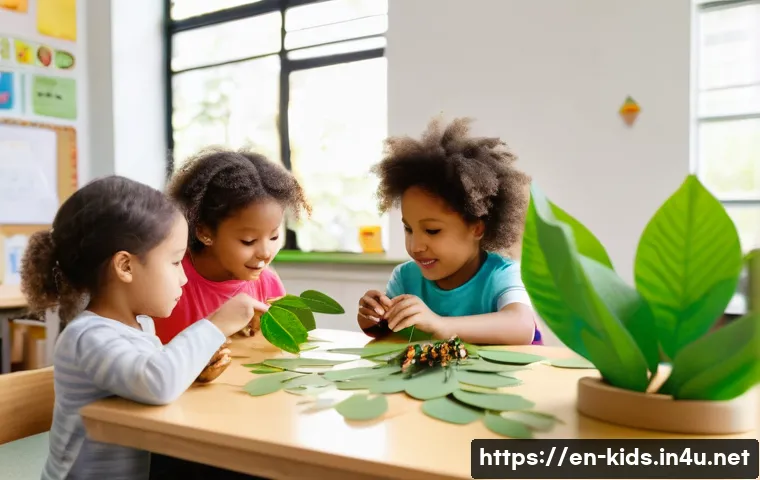
One of the most rewarding moments in my practicum came when I tailored lessons to what the kids were curious about. For example, when a group showed fascination with bugs, I quickly gathered some simple materials to explore that topic hands-on.
Their enthusiasm skyrocketed, and I noticed better focus and cooperation throughout the session. Incorporating their interests doesn’t mean abandoning your curriculum; rather, it’s about weaving in relevant themes or activities that make learning feel personal and exciting.
Balancing Structure and Spontaneity
Finding the sweet spot between a well-organized schedule and leaving room for spontaneous moments was a challenge I initially underestimated. While routines provide stability, I learned that allowing a few minutes for free play or child-led exploration often led to richer learning experiences.
For example, a brief change in plans to follow a child’s lead during art time sparked creativity I hadn’t anticipated. This balance requires attentiveness and flexibility but ultimately creates a more dynamic and responsive classroom environment.
Managing Time and Energy for Sustainable Teaching
Prioritizing Tasks to Avoid Burnout
The practicum workload can feel endless—from lesson prep to documentation and reflection. Early on, I struggled with trying to do everything perfectly, which drained my energy quickly.
Over time, I started prioritizing essential tasks, like focusing on core lesson objectives and keeping notes concise but meaningful. I also learned to delegate small responsibilities when possible and to set realistic daily goals.
This approach helped me stay productive without feeling overwhelmed, and I noticed my enthusiasm lasted longer throughout the day.
Incorporating Self-Care into Your Routine
Teaching young children is rewarding but physically and emotionally demanding. I realized that carving out moments to recharge—whether a short walk during breaks, mindfulness exercises, or simply deep breathing—made a huge difference in my patience and focus.
Sharing experiences with fellow practicum students also provided emotional support and fresh perspectives. Taking care of yourself isn’t selfish; it’s essential for maintaining the energy and positivity that kids respond to.
Reflecting on Daily Experiences to Grow
Keeping a daily reflection journal became a habit that truly transformed my practicum experience. Writing down what went well, what challenged me, and ideas for improvement helped me process the day and plan ahead.
Sometimes I revisited entries before lessons, reminding myself of past successes or lessons learned from mistakes. This practice boosted my confidence and allowed me to track growth over time, making the journey feel purposeful rather than overwhelming.
Utilizing Resources and Technology to Enhance Learning
Incorporating Educational Apps and Tools
I was initially skeptical about using technology with young children, fearing it might distract them. However, carefully selected educational apps and interactive tools turned out to be great supplements to hands-on activities.
For instance, simple storytelling apps or digital drawing tools captured attention and reinforced concepts like colors or numbers. The key was moderation and integrating tech as a complement rather than a replacement for physical play and social interaction.
Accessing Online Communities for Support and Ideas
Connecting with other early childhood educators through online forums and social media groups was a game changer. I found a treasure trove of lesson ideas, classroom management tips, and moral support from people who understood the highs and lows of the practicum.
Asking questions and sharing experiences helped me feel less isolated and more empowered. These communities also kept me updated on new research and trends, which I could adapt for my own teaching.
Utilizing Classroom Materials Creatively
Sometimes, resources are limited, but creativity can fill the gap. I experimented with repurposing everyday items like cardboard boxes, bottle caps, or fabric scraps into learning tools or sensory play stations.
This not only saved costs but also sparked curiosity and imagination among the children. Encouraging kids to help create these materials fostered ownership and excitement.
Over time, I realized that resourcefulness is just as valuable as having fancy materials.
Understanding Child Development to Tailor Your Approach
Recognizing Developmental Milestones and Variations
One of the most eye-opening parts of my practicum was learning to identify typical developmental milestones and understanding that each child grows at their own pace.
Knowing these benchmarks helped me set realistic expectations and design activities that were developmentally appropriate. For example, knowing when most toddlers develop fine motor skills guided me in choosing suitable art projects.
This awareness prevented frustration for both the children and me and allowed for more meaningful support.
Adjusting Teaching Strategies to Individual Needs
No two children are alike, and adapting my approach based on individual strengths and challenges became crucial. For children with shorter attention spans, I incorporated more movement breaks or hands-on activities.
For those who were shy or needed extra encouragement, I used gentle praise and small group settings. This personalized attention required observation and flexibility but resulted in more inclusive and effective learning experiences.
Collaborating with Specialists and Support Staff
Sometimes, a child’s needs went beyond what I could address alone. I learned the importance of collaborating with speech therapists, occupational therapists, or special educators who could offer expert guidance.
Observing their strategies and incorporating their recommendations helped me better support the child within the classroom. This teamwork approach not only benefited the child but enriched my own professional growth and understanding.
| Common Challenges | Practical Strategies | Expected Benefits |
|---|---|---|
| Classroom disruptions and behavioral issues | Set clear rules, use positive reinforcement, employ calm redirection | Improved focus, reduced conflicts, positive classroom climate |
| Communicating with parents and supervisors | Provide regular updates, seek feedback, prepare for sensitive talks | Stronger trust, better collaboration, professional growth |
| Lesson plan rigidity and student engagement | Adapt activities on the fly, incorporate children’s interests, balance structure | Higher engagement, better learning outcomes, flexible teaching skills |
| Managing workload and personal well-being | Prioritize tasks, practice self-care, reflect daily | Reduced burnout, sustained energy, continuous improvement |
| Resource limitations | Use technology wisely, access online communities, create DIY materials | Enhanced learning experiences, creativity, community support |
Conclusion
Creating a positive classroom atmosphere from day one sets the foundation for a successful learning experience. By establishing clear expectations, using empathy in challenging moments, and maintaining open communication with parents and supervisors, teachers can foster trust and engagement. Flexibility in lesson plans and prioritizing self-care are essential for sustainable teaching. Embracing resources and understanding child development further enriches the classroom environment.
Useful Information to Remember
1. Clear, simple rules combined with consistent routines help young learners feel secure and understand expectations easily.
2. Positive reinforcement, such as praise and small rewards, encourages good behavior and builds children’s confidence.
3. Empathy and patience are key when addressing challenging behaviors, allowing children to feel supported and understood.
4. Regular, honest communication with parents and supervisors strengthens partnerships and supports child development.
5. Balancing structured plans with flexibility and incorporating children’s interests enhances engagement and learning outcomes.
Key Takeaways
Establishing a warm, structured classroom environment from the start encourages positive behavior and engagement. Effective communication with families and supervisors builds trust and collaboration. Being adaptable in lesson delivery and prioritizing personal well-being help teachers maintain enthusiasm and effectiveness. Utilizing available resources creatively and understanding developmental differences ensures inclusive and meaningful learning experiences for all children.
Frequently Asked Questions (FAQ) 📖
Q: How can I manage a classroom effectively when I’m still new and unsure?
A: It’s totally normal to feel uncertain at first—trust me, I’ve been there. The key is to establish clear, consistent routines right from the start. Kids thrive on predictability, so setting simple rules and gently reinforcing them helps create a calm environment.
Also, don’t hesitate to observe experienced teachers and ask for feedback; their insights can be game-changers. Remember, managing a classroom is a skill you develop over time, so be patient with yourself and celebrate small wins along the way.
Q: What strategies work best when communication barriers arise with young children?
A: When words don’t quite connect, body language becomes your best friend. I found that using visual aids, gestures, and facial expressions really bridge gaps.
Also, breaking instructions into smaller, manageable steps helps prevent confusion. Sometimes, pairing verbal cues with hands-on activities keeps kids engaged and understanding clear.
Patience is crucial here—give children time to process and respond, and always encourage them with positive reinforcement to build their confidence.
Q: How can I adapt lesson plans quickly when unexpected situations happen during practicum?
A: Flexibility is your secret weapon. From my experience, having a few backup activities ready—like simple games or storytime—can save the day when plans go sideways.
It helps to know your students’ interests and energy levels so you can pivot accordingly. Sometimes, what feels like a disruption is actually an opportunity to try something new and see how kids respond.
Embrace the unpredictability; it’ll make you a more resourceful and confident educator in the long run.