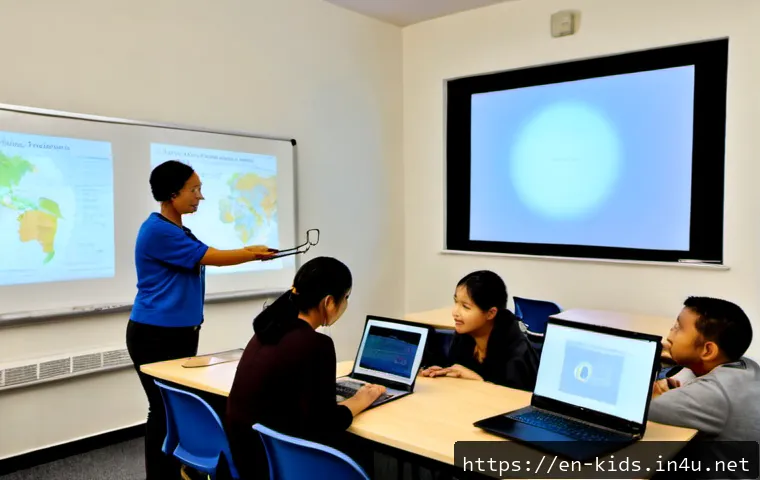
Early childhood education experience can lead to work as a childcare worker, teacher assistant, special education support worker, family services staff member, or program coordinator—not only as a preschool teacher.
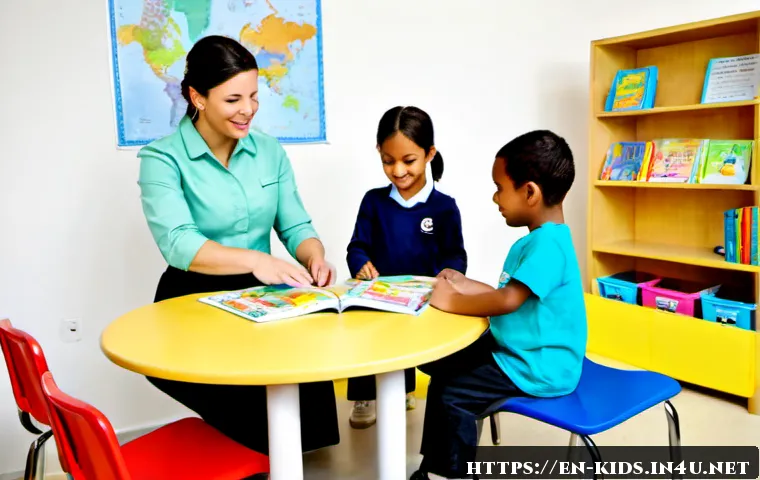
The best choice depends on how much direct child contact you want, the qualifications accepted in your area, and whether you plan to pursue a degree or teaching license later.
A short certificate may support entry into some childcare or assistant roles, while public-school teaching and leadership paths often require more formal education or licensing.
Comparing accredited career training programs, background-check requirements, and total course fees before enrolling can prevent an expensive mismatch.
Your classroom skills already matter, but employers may use different titles and standards for similar work.
At a Glance
- Fastest-entry path: Childcare worker or teacher assistant roles may accept a high school diploma plus relevant training, depending on the employer and location.
- Most child-focused path: Preschool teaching, childcare, and special education support all involve regular interaction, observation, and activity planning.
- Advancement-focused path: A degree, teaching license, or specialized certificate can be more useful for licensed teaching, program leadership, or support-focused roles.
| Career Direction | Typical Work Setting | Possible Credential Needs | Decision Point |
|---|---|---|---|
| Childcare worker | Childcare center, private provider | Employer training, safeguarding, first aid, background check | Useful for people seeking hands-on entry work |
| Teacher assistant | Public or private school, preschool | Training or employer-specific qualifications may apply | Good for supporting a lead teacher in a structured setting |
| Preschool teacher | Preschool, early learning center | Certificate, degree, license, or local approval may be required | Best for people who want classroom planning responsibility |
| Family services or program coordination | Nonprofit, family-service provider, education program | Relevant experience; further education may help | Suitable for people interested in communication and organization |
Which Careers Connect Naturally to Early Childhood Education?
A Quick Answer for Educators Seeking a Related Role
Early childhood education can connect naturally to several roles because the core work is transferable. You may move toward childcare, teacher assistant work, preschool teaching, special education support, family-facing services, or early learning program coordination. Job titles vary across public schools, private preschools, childcare centers, nonprofit organizations, and family-service providers, so read the actual duties instead of relying on the title alone.
A childcare worker may focus on daily care, routines, safety, and play-based activities. A teacher assistant commonly supports classroom instruction and helps a lead teacher. A preschool teacher may take greater responsibility for learning activities, observation, and records. Each route can fit early childhood experience, but the qualification rules may be very different.
Transferable Skills Employers Commonly Look For
Experience in early learning can demonstrate child observation, activity planning, behavior support, family communication, and recordkeeping. These skills can be relevant even when you change settings. For example, clear observation notes may support a classroom assistant application, while family communication skills may be useful in a community or family-service role.
Do not assume that experience alone replaces a required certificate, license, or background check. Employers may also ask for safeguarding training, first-aid training, supervised experience, or local clearance checks.
Compare Related Jobs by Training, Responsibilities, and Career Potential
Preschool Teacher, Childcare Worker, and Teacher Assistant
These are separate occupational categories in many English-speaking labor markets. A childcare worker often provides direct care and supports daily routines. A teacher assistant generally works alongside a classroom teacher and may help children participate in activities, manage transitions, and maintain learning materials. A preschool teacher may have more responsibility for planning, documentation, and communication with families.
If you want a role with regular child interaction but less responsibility for leading the full classroom, teacher assistant or childcare positions may be worth comparing. If your long-term goal is licensed teaching, verify whether the role and training program actually support that path.
Special Education Support, Family Services, and Program Coordination
Early childhood experience can also be relevant outside a standard preschool classroom. Special education support roles may involve helping children participate in routines and activities, but they can require additional training or employer-specific qualifications. Family services work may place more emphasis on communication, referrals, records, and supporting caregivers. Program coordination can involve schedules, enrollment processes, staff communication, and activity organization.
These roles may be a better fit if you enjoy working with families, organizing services, or supporting a team. However, child-development experience does not automatically qualify someone for specialized support work. Review the position description carefully before applying.
Comparison Table: Entry Requirements, Work Setting, and Growth Path
Use the earlier table as a starting point, then compare each opening based on the actual employer requirements. A private childcare center and a public school may use similar job titles while asking for very different credentials. Career potential depends on local rules, your education level, and whether the employer offers supervised experience or professional development.
When Additional Training Is Worth the Cost
Short Certificates Versus Associate and Bachelor’s Degree Pathways
A short early childhood education certificate can be practical when you are exploring childcare or assistant roles and the employer accepts that training. It may not be enough for positions that require a degree, teaching license, or specialized qualification. An associate or bachelor’s degree may be more relevant when you want broader advancement options, licensed teaching, or higher-responsibility education roles.
Before choosing a career certification program, ask one basic question: What specific role does this credential qualify me to apply for in my location? A course can be useful without being a direct route to every education job.
Questions to Ask About Accreditation, Placement Support, and Total Fees
Compare training providers by looking beyond the headline tuition. Ask whether the program is accredited or recognized where you intend to work, whether it includes supervised placement, and whether it prepares you for required safeguarding or first-aid training. Also review total out-of-pocket costs, including materials, application fees, background-check services, assessment fees, and any required renewals.
When comparing professional development courses, check whether the employer values the course for hiring or advancement. Official provider pages and local licensing guidance are the right places to confirm current certification requirements.
Practical Steps Before Applying or Changing Roles

Review Local Safeguarding, First-Aid, and Background-Check Requirements
Requirements can vary by employer, state, province, or local authority. Before paying for training, review whether the role requires a background check, safeguarding clearance, first-aid training, health documentation, or other local approval. Some employers arrange parts of this process, while others expect applicants to complete it independently.
Translate Classroom Experience Into a Stronger Résumé
Describe your experience in terms employers can quickly understand. Include work such as observing children’s progress, preparing activities, supporting positive behavior, communicating with families, maintaining records, and following safety procedures. Use accurate language. If you assisted a lead teacher, say so rather than claiming full teaching responsibility.
Avoid Overstating Qualifications or Assuming Credentials Transfer Automatically
Childcare experience can be valuable, but it does not automatically qualify you for public-school teaching or specialized education support. Likewise, an early childhood education instructor credential may not transfer directly across employers or regions. Confirm whether your credential is accepted before treating it as a guaranteed pathway.
Career Paths for Different Work Preferences
For People Who Prefer Direct Classroom Interaction
Consider preschool teaching, childcare, or teacher assistant work if you enjoy daily routines, small-group activities, play-based learning, and direct support for children. Compare how much planning, documentation, and independent classroom responsibility each position includes.
For People Who Want Family-Facing or Community Support Work
Family services and nonprofit support roles may suit people who are comfortable communicating with caregivers and connecting families with services. Early childhood experience can strengthen your understanding of child development, but the role may place greater emphasis on administration, communication, and local program procedures.
For People Aiming Toward Leadership, Administration, or Licensed Teaching
If your goal is program leadership, administration, or licensed teaching, map the education pathway first. Determine whether you need a specialized certificate, associate degree, bachelor’s degree, teaching license, or additional supervised experience. This prevents choosing a short course that helps with entry-level work but does not meet your longer-term requirement.
Selection Criteria and Comparison Summary
Before choosing a job path or enrolling in training, check these points: the exact job title, local credential rules, total training and application costs, required study time, background-check expectations, and your long-term goal. Compare accredited training providers based on recognition, practical placement options, total fees, and whether the curriculum matches the role you want. For current eligibility details, review the official requirements on the relevant provider, employer, or local authority page.
Closing Thoughts
Early childhood education can be a starting point for more than one type of career. The strongest next move is not always the shortest course; it is the route that matches your preferred work setting and future plans. Start with the job requirements in your area, then choose training that clearly supports those requirements. Accurate credentials and a well-framed résumé can make your existing experience easier for employers to recognize.
Useful Things to Know
1. Similar job titles can have different requirements across employers.
2. First-aid, safeguarding, and background-check rules may be separate from academic training.
3. Specialized support roles may require additional preparation.
4. Training cost should include more than tuition alone.
Important Notes
Qualification rules, licensing standards, course recognition, fees, and hiring practices vary by location and employer. This guide cannot confirm whether a particular credential transfers to a specific job. Always verify current requirements directly with the employer, training provider, and relevant local authority before applying or enrolling.
Frequently Asked Questions
Q1. What jobs can I do with early childhood education experience besides preschool teaching?
A1. Possible related roles include childcare worker, teacher assistant, special education support worker, family services staff member, and program coordinator. The best options depend on your local requirements, prior training, and the type of work setting you prefer.
Q2. Is a short early childhood education certificate enough to work in childcare or as a teacher assistant?
A2. It may be enough for some roles, but requirements vary by employer and location. Some positions may accept a high school diploma plus training, while others may require a specific certificate, background check, first-aid training, or further education.
Q3. How can I compare the cost of training programs before choosing a new child-focused career?
A3. Compare total costs rather than tuition alone. Check for materials, assessments, placement costs, certification fees, background-check services, and renewal requirements. Also confirm whether the provider is recognized for the role and location you are targeting.