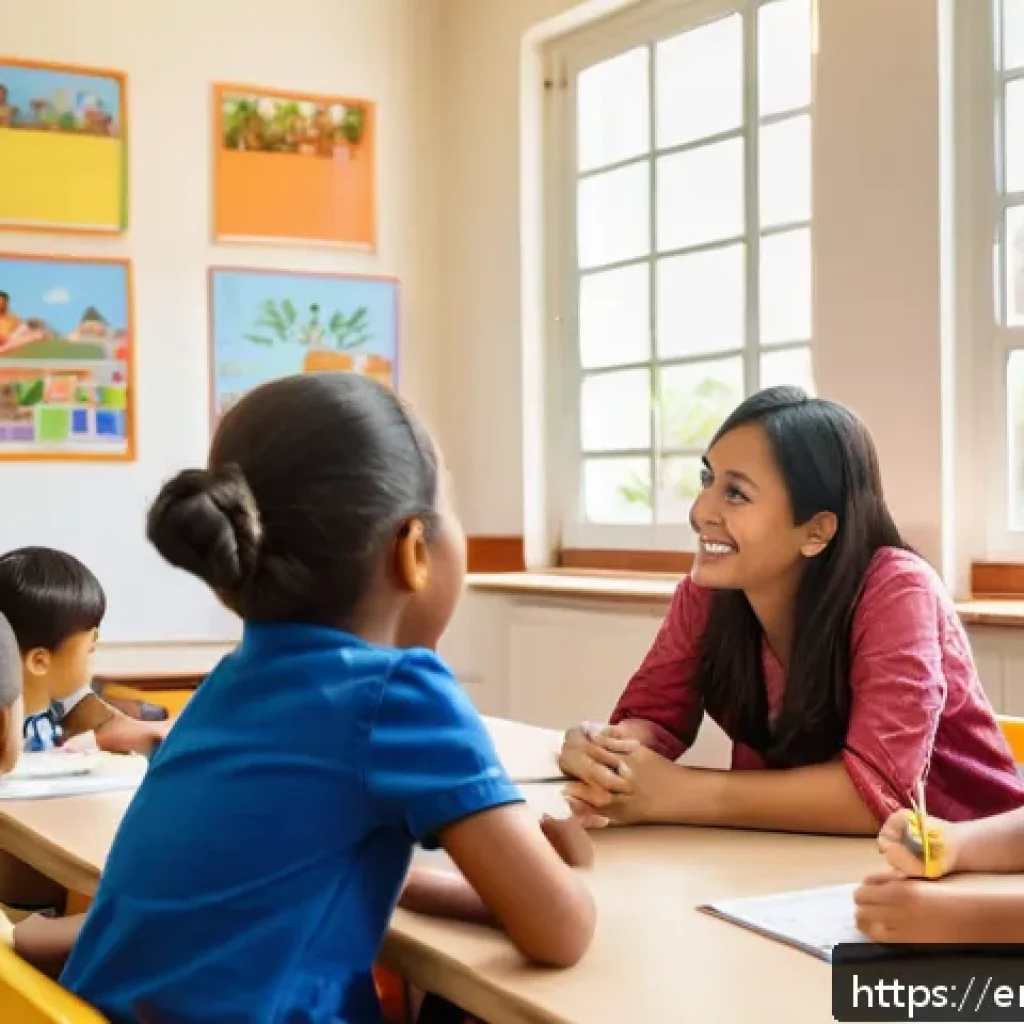
Navigating your first parent meeting as an early childhood educator can feel both exciting and overwhelming, especially in today’s ever-evolving educational landscape.

With parents seeking more engagement and transparency than ever before, setting the right tone from the start is crucial. Building trust and open communication not only supports a child’s development but also lays a foundation for a strong partnership throughout the school year.
Whether you’re fresh out of training or stepping into a new classroom, mastering this skill will boost your confidence and effectiveness. Let’s explore practical tips that will help you shine in your very first meeting and create lasting positive impressions.
Establishing a Warm and Welcoming Atmosphere
Creating a Friendly First Impression
Meeting parents for the first time can be a bit nerve-wracking, but setting a warm tone right from the start makes a world of difference. Greeting parents with a genuine smile and open body language helps ease any tension and shows that you’re approachable.
I’ve noticed that when I take a moment to make eye contact and introduce myself with enthusiasm, parents immediately feel more comfortable. It’s like breaking the ice in a casual conversation rather than diving straight into formal discussions.
Little touches, like offering a seat or having a clean, inviting space, also signal that you value their presence and partnership.
Using Positive Language to Build Trust
Parents want to know their child is in good hands, so focusing on positive language can build trust quickly. Instead of starting conversations with concerns or challenges, I try to highlight each child’s strengths first.
For example, mentioning how curious or creative a child is sets an encouraging tone. When you frame feedback constructively, it feels less like criticism and more like collaboration.
Parents appreciate when you balance honesty with empathy, sharing insights that feel supportive rather than judgmental. Speaking with warmth and respect, even when discussing sensitive topics, encourages open dialogue.
Setting Clear Expectations Together
Right from the beginning, it’s helpful to clarify what parents can expect from you and the classroom environment. Sharing your teaching philosophy, daily routines, and communication methods helps align everyone’s expectations.
I find that when parents know how and when they’ll hear from me, whether through weekly emails or quick chats at pick-up time, it reduces uncertainty.
Asking parents about their hopes or concerns also shows that their input matters. This mutual understanding lays the groundwork for a strong partnership that can adapt as the year progresses.
Effective Communication Strategies for Meaningful Dialogue
Active Listening to Understand Parents’ Perspectives
One thing I’ve learned is that listening is just as important as talking during these meetings. Parents often come with questions, worries, or hopes for their child, and giving them space to express themselves fully builds rapport.
I try to practice active listening by nodding, summarizing what they say, and asking clarifying questions. This not only shows respect but helps me grasp their priorities better.
When parents feel heard, they’re more likely to trust your observations and recommendations.
Balancing Professionalism with Approachability
It’s a delicate dance to be professional yet approachable in these conversations. I’ve found that being clear and organized with my information makes me come across as confident and trustworthy.
However, I avoid sounding robotic or overly formal. Using everyday language and sharing small personal anecdotes about classroom moments can make me relatable.
For example, mentioning a funny incident or a child’s proud achievement invites parents into the day-to-day life of the classroom. This balance encourages parents to view you as both an expert and a caring partner.
Handling Difficult Topics with Sensitivity
Sometimes, you’ll need to discuss challenges or concerns, and it’s crucial to approach these conversations with care. I prepare by gathering specific examples and thinking about possible solutions beforehand.
When I share concerns, I always start by acknowledging the child’s positive qualities and express my commitment to supporting their growth. Framing challenges as opportunities for teamwork helps parents feel involved rather than defensive.
I’ve noticed that maintaining a calm tone and avoiding jargon makes these talks more productive and less stressful for everyone.
Organizing Information for Clear and Impactful Sharing
Using Visual Aids to Enhance Understanding
Bringing charts, photos, or simple progress trackers can make your points clearer and more memorable. I like to show snapshots of children’s artwork or play activities that illustrate developmental milestones.
Visual aids can also help parents see patterns or improvements over time, which might be harder to grasp through words alone. When parents can see concrete examples, they feel more connected to their child’s experiences in your care.
Summarizing Key Points to Reinforce Messages
At the end of each meeting, summarizing the main takeaways ensures everyone is on the same page. I usually recap the child’s strengths, any areas to focus on, and agreed-upon next steps.
This not only clarifies expectations but also shows that you respect parents’ time by being concise and organized. Providing a brief handout or email summary afterwards can be a helpful reminder for busy parents.
Table: Sample Meeting Agenda for First Parent Conference
| Agenda Item | Purpose | Tips for Success |
|---|---|---|
| Welcome and Introductions | Build rapport and set a friendly tone | Greet warmly, use open body language, share a little about yourself |
| Child’s Strengths and Interests | Highlight positives and engage parents emotionally | Use specific examples, share photos or work samples |
| Developmental Progress | Discuss milestones and areas for growth | Be clear but gentle, avoid jargon, focus on collaboration |
| Classroom Routines and Expectations | Align understanding of daily structure and communication | Explain clearly, invite questions, provide written info |
| Parent Questions and Concerns | Listen actively and address needs | Encourage open dialogue, validate feelings, offer solutions |
| Next Steps and Follow-Up | Clarify action items and maintain connection | Summarize key points, set future check-ins, send recap |
Building Long-Term Partnerships Beyond the First Meeting
Consistent Communication Channels
Keeping the lines of communication open after the initial meeting is essential. I make it a point to send regular updates, whether through emails, newsletters, or quick chats at drop-off and pick-up.
Parents appreciate knowing what’s happening in the classroom and how their child is doing on a day-to-day basis. I’ve noticed that this ongoing contact prevents misunderstandings and builds a sense of community.
Encouraging Parent Involvement
Inviting parents to participate in classroom activities or events helps deepen their engagement. I’ve had great experiences when parents volunteer for storytime or share cultural traditions with the class.
It not only enriches the children’s learning but also strengthens the parent-teacher bond. Offering flexible opportunities that fit different schedules shows respect for parents’ time and commitments.
Reflecting and Improving Your Approach
After each parent meeting, I take a moment to reflect on what went well and what could improve. Sometimes, I jot down notes about questions that came up or feedback I received.
Over time, this practice has helped me fine-tune my communication style and meeting structure. Being open to learning and adapting shows professionalism and dedication to both children and families.
Preparing Yourself Emotionally and Practically
Managing Nervousness and Building Confidence
It’s perfectly normal to feel a bit anxious before your first parent meeting. What helped me was practicing what I wanted to say and visualizing a positive interaction.
Reminding myself that parents and I share the same goal—their child’s well-being—also eased my nerves. I try to breathe deeply and focus on listening rather than performing.
Confidence grows with experience, so each meeting gets a little easier.
Gathering Necessary Materials in Advance
Preparation is key to feeling ready and organized. I make sure to have children’s portfolios, assessment notes, and any relevant documentation on hand.
Having a clear agenda or checklist prevents me from forgetting important topics. I also set up the meeting space to be comfortable and free of distractions.
These small steps show respect for parents’ time and create a professional impression.
Setting Realistic Goals for the Meeting
Going in with clear but achievable goals helps keep the meeting focused and productive. I aim to build rapport, share meaningful insights, and answer parents’ questions without overwhelming them.
It’s okay if not everything gets covered in one session; follow-ups can fill in gaps. Being realistic about what can be accomplished reduces pressure and fosters a collaborative atmosphere.
In Closing
Building a strong connection with parents from the very first meeting sets the stage for a successful partnership throughout the school year. Approaching conversations with warmth, clarity, and openness fosters trust and collaboration. Remember, effective communication is a two-way street that benefits both educators and families alike.
Helpful Tips to Keep in Mind
1. Always greet parents with a genuine smile and open body language to create an inviting atmosphere.
2. Focus on highlighting each child’s strengths before discussing areas for improvement to maintain a positive tone.
3. Use clear, simple language and visual aids to make information easy to understand and engaging.
4. Encourage parents to share their thoughts and concerns by practicing active listening and validating their feelings.
5. Follow up after meetings with summaries or updates to keep communication consistent and build lasting trust.
Key Takeaways
Establishing a welcoming environment and setting clear expectations from the start is essential for productive parent-teacher relationships. Balancing professionalism with approachability helps build confidence and openness. Preparing thoroughly and managing sensitive topics with empathy ensures discussions remain constructive. Consistent communication beyond the first meeting strengthens long-term partnerships, ultimately supporting each child’s growth and success.
Frequently Asked Questions (FAQ) 📖
Q: How can I prepare effectively for my first parent meeting as an early childhood educator?
A: Preparing well is key to feeling confident. Start by reviewing each child’s progress, strengths, and any concerns. Gather examples of their work or observations to share.
Set clear goals for the meeting, such as building rapport and understanding parents’ expectations. Practice introducing yourself warmly and think about open-ended questions to encourage parent engagement.
Having a calm, organized mindset helps you stay focused and approachable.
Q: What should I do if a parent seems hesitant or uncommunicative during the meeting?
A: It’s normal for some parents to feel reserved at first. Try to create a welcoming atmosphere by showing genuine interest and empathy. Use gentle prompts like, “How do you feel about your child’s experience so far?” or “Is there anything you’d like to share about your child’s interests at home?” Sometimes, pausing to allow silence gives them space to open up.
Remember, building trust takes time, so be patient and consistent in your communication.
Q: How can I maintain a positive and collaborative relationship with parents after the first meeting?
A: Follow-up is essential to keep the partnership strong. Send a brief summary or positive note highlighting your discussion points and next steps. Encourage ongoing communication through emails, phone calls, or informal chats during drop-off and pick-up times.
Share resources or suggestions tailored to their child’s needs. Showing that you value their involvement and feedback helps parents feel connected and supported throughout the school year.