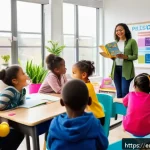
In today’s rapidly evolving educational landscape, early childhood education has never been more crucial. With new research highlighting the profound impact of the first years on lifelong learning, understanding effective teaching strategies is essential for educators and parents alike.
I’ve seen firsthand how simple yet thoughtful approaches can transform young learners’ experiences, making education both fun and meaningful. This post dives into proven methods and inspiring real-life stories that bring early childhood education to life.
If you’re passionate about nurturing the next generation’s potential, stick around—these insights could change the way you teach or support little ones forever.
Creating Engaging Learning Environments for Young Children
Designing Spaces That Inspire Curiosity
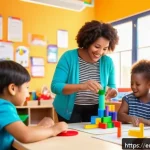
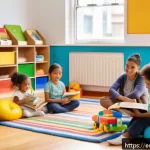
When preparing a classroom or play area for early learners, the environment plays a huge role in sparking curiosity and engagement. I’ve noticed that bright colors, accessible materials, and cozy corners where kids feel safe encourage exploration.
It’s not about filling the space with toys but selecting items that promote hands-on discovery. For example, a simple nature table with leaves, stones, and shells invites questions and tactile experiences.
Making sure everything is at child height empowers little ones to independently choose activities, which boosts their confidence and decision-making skills.
Incorporating Sensory Play for Deeper Learning
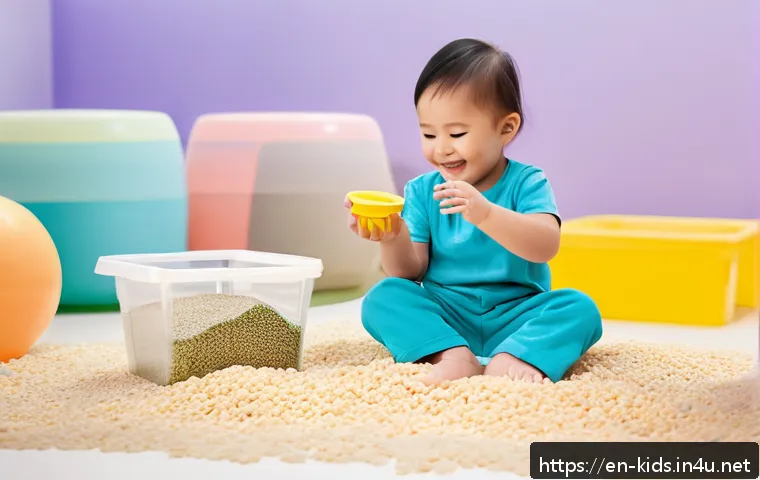
Sensory activities are a game-changer in early childhood education. I’ve seen shy children blossom when given opportunities to touch, smell, and manipulate different textures.
Sensory bins filled with rice, water beads, or sand not only entertain but also develop fine motor skills and language as kids describe their experiences.
Including sensory play regularly also helps children regulate emotions and stay focused. It’s amazing how something as simple as water play can shift a child’s mood and readiness to learn for the day.
Balancing Structure and Freedom
Striking the right balance between guided activities and free play is crucial. I’ve learned that too much structure stifles creativity, while too little can lead to chaos.
Setting clear routines helps children feel secure and understand expectations, but within those routines, allowing choice nurtures independence. For instance, a morning schedule might include a story time followed by free play where kids pick their preferred learning station.
This blend keeps kids engaged and respects their individual learning paces.
Implementing Play-Based Learning Strategies
Why Play is the Foundation of Learning
Play is often underestimated, but it’s the cornerstone of cognitive and social development. In my experience, children absorb more when they’re actively involved in playful situations rather than passive listening.
Play encourages problem-solving, creativity, and collaboration. When kids build with blocks or role-play, they experiment with concepts like balance, numbers, and empathy.
I’ve seen classrooms where play-based curriculums lead to higher enthusiasm and retention compared to rigid lesson plans.
Integrating Educational Themes into Play
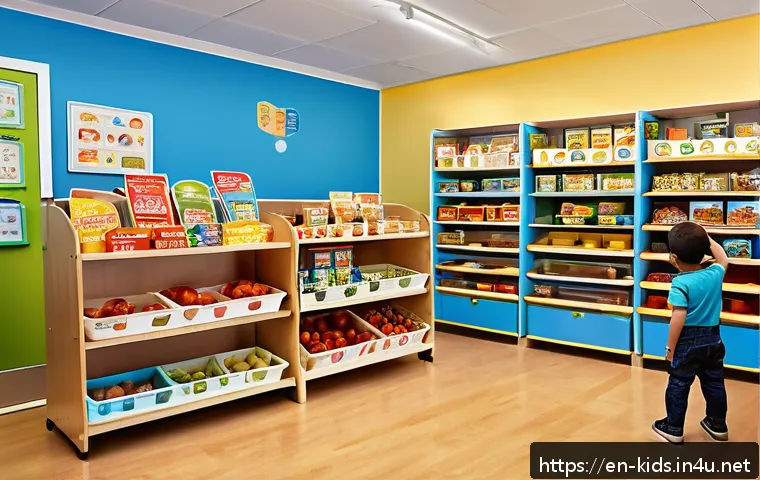
To make play purposeful without losing its joy, I suggest weaving educational themes into play scenarios. For example, setting up a “grocery store” corner helps kids practice counting money, reading labels, and social interactions.
During a “garden” activity, children can learn about plant life cycles and responsibility by watering plants. I’ve personally used themed play weeks that align with seasons or cultural events, making learning relatable and exciting for the children.
Encouraging Peer Interaction and Communication
Playtime also offers invaluable opportunities for children to develop language and social skills. I always encourage cooperative games and group projects where kids must negotiate roles and share ideas.
Watching a group build a castle together or solve a puzzle reveals how they communicate, listen, and compromise. These moments build emotional intelligence and prepare them for future teamwork situations.
Facilitating guided reflection afterward helps kids express feelings and learn from each other’s perspectives.
Using Technology Mindfully in Early Childhood Education
Selecting Age-Appropriate Digital Tools
Technology isn’t off-limits, but it requires careful selection and moderation. I’ve experimented with various educational apps and found that those focusing on creativity, problem-solving, and interaction rather than passive consumption work best.
For example, apps that encourage drawing, storytelling, or simple coding challenges engage kids in active learning. It’s important to vet apps for quality, age-appropriateness, and screen time recommendations to avoid overstimulation and promote healthy habits.
Blending Technology with Hands-On Activities
Rather than replacing traditional play, technology should complement it. I integrate tablets or smartboards alongside tactile materials, using digital storytelling to enhance literacy or interactive games to reinforce math concepts.
This hybrid approach keeps kids interested and caters to diverse learning styles. In one session, I used an interactive app about animals paired with a real-life petting zoo visit, which deepened understanding and excitement.
Technology becomes a tool for extension, not a substitute for real-world experiences.
Setting Boundaries for Screen Time
Managing screen time is a challenge many educators and parents face. Based on my observations, clear limits combined with engaging alternatives work best.
For instance, after a 15-minute digital activity, kids transition to a physical game or outdoor play. Consistency in these routines helps children develop self-regulation and prevents over-reliance on screens for entertainment.
I also encourage educators to model balanced technology use, creating an environment where screens are just one part of a rich learning tapestry.
Fostering Emotional and Social Development Through Daily Interactions
Building Trust and Attachment
The foundation of any learning experience for young children is feeling safe and valued. I’ve noticed that when educators take time to connect individually—through eye contact, gentle touch, or listening attentively—children open up and show greater engagement.
These trusting relationships promote secure attachment, which research shows supports better emotional regulation and resilience. Simple rituals like morning greetings or personalized praise go a long way in building this bond.
Teaching Empathy and Conflict Resolution
Young children are still learning to navigate their emotions and relationships. I’ve found role-playing and storytelling powerful tools for teaching empathy.
When children act out scenarios like sharing or apologizing, they practice seeing things from others’ perspectives. Additionally, guiding kids through conflict resolution with calm communication and problem-solving steps helps them develop lifelong social skills.
For example, encouraging phrases like “I feel upset because…” or “Let’s find a way to share” creates a positive language around disagreement.
Encouraging Self-Regulation Skills
Helping children manage their impulses and emotions is key for success in school and beyond. Techniques such as mindfulness exercises, breathing techniques, or “calm-down corners” have proven effective in my classrooms.
These strategies give kids tools to recognize and control feelings before they escalate. I recall a child who frequently acted out during transitions; after introducing simple breathing exercises, their ability to cope improved remarkably.
Consistent practice and adult modeling make these skills stick.
Collaborating with Parents to Support Holistic Development
Establishing Open and Trusting Communication
The partnership between educators and parents is vital for a child’s growth. I always prioritize creating channels for regular, honest communication, whether through daily notes, parent-teacher meetings, or casual chats during pick-up.
Sharing observations and insights helps parents feel involved and reassured. I’ve seen that when parents and teachers align on goals and strategies, children experience smoother transitions and stronger support at home and school.
Providing Practical Parenting Tips and Resources
Parents often seek guidance on how to reinforce learning and development outside the classroom. Offering simple, actionable tips—like reading aloud daily, establishing bedtime routines, or encouraging outdoor play—can make a huge difference.
I also share resources such as community programs, books, or websites tailored to early childhood education. One parent told me that trying just one suggested activity a week strengthened their child’s language skills noticeably, which was incredibly rewarding to hear.
Encouraging Parent Involvement in Learning Activities
Inviting parents to participate in classroom events or at-home projects fosters a deeper connection with their child’s education. Whether it’s helping organize a holiday craft, attending a storytime session, or sharing a family tradition, these moments enrich the learning environment.
I’ve observed that children light up when their parents show interest, which reinforces positive attitudes toward school. Flexibility and understanding parents’ schedules are key to making involvement feasible and enjoyable.
Assessing Progress with Observation and Documentation
Using Anecdotal Records for Meaningful Insights
Instead of relying solely on tests, I find that anecdotal records—detailed notes on children’s behaviors, skills, and interactions—offer rich, authentic data.
Observing how a child solves a puzzle or communicates with peers reveals strengths and areas needing support. Keeping these records over time helps track growth and tailor instruction.
Parents appreciate these personalized insights during conferences because they feel more connected to their child’s daily experiences.
Incorporating Child Portfolios
Portfolios that collect samples of children’s work, photos, and teacher notes provide a tangible way to celebrate progress. I’ve used portfolios to engage kids in self-reflection by asking them to talk about their favorite pieces or challenges.
This practice builds metacognition and ownership of learning. Portfolios also serve as powerful communication tools with families, showcasing development beyond standard metrics and highlighting each child’s unique journey.
Adapting Assessment to Individual Needs
Every child grows at their own pace, so assessments must be flexible and culturally responsive. I make sure to consider diverse backgrounds, languages, and abilities when evaluating progress.
For example, a child learning English as a second language may demonstrate understanding differently, and I adjust expectations accordingly. Using multiple assessment methods—observations, portfolios, conversations—creates a fuller picture and ensures no child is unfairly labeled or overlooked.
| Assessment Method | Purpose | Benefits | Considerations |
|---|---|---|---|
| Anecdotal Records | Document behaviors and skills in natural settings | Provides detailed, individualized insights; easy to update regularly | Requires consistent observation; subjective without guidelines |
| Child Portfolios | Showcase samples of work and progress over time | Encourages reflection; fosters parent engagement | Needs organization; time-consuming to maintain |
| Standardized Checklists | Track developmental milestones and skill acquisition | Offers benchmarks; useful for identifying delays | May not capture cultural/language differences; less flexible |
| Parent-Teacher Conferences | Share observations and align on goals | Builds partnership; supports holistic understanding | Requires scheduling; depends on communication skills |
In Conclusion
Creating engaging learning environments for young children is essential to foster curiosity, emotional growth, and social skills. By thoughtfully designing spaces, incorporating play, and partnering with parents, educators can support holistic development. Using mindful technology integration and personalized assessment ensures every child’s unique needs are met. Ultimately, nurturing a safe, stimulating, and responsive environment lays the foundation for lifelong learning and confidence.
Helpful Information to Keep in Mind
1. Bright, accessible spaces encourage children to explore independently, boosting confidence and decision-making.
2. Sensory play supports fine motor skills, emotional regulation, and language development through hands-on experiences.
3. Balancing structured routines with freedom allows children to feel secure while nurturing creativity and independence.
4. Thoughtful integration of technology enhances learning without replacing real-world interactions or play.
5. Regular communication and collaboration with parents strengthen support systems and reinforce learning outside the classroom.
Key Takeaways
Design learning environments that inspire curiosity while prioritizing safety and accessibility. Embrace play as a powerful learning tool, blending educational themes and social interaction. Use technology thoughtfully to complement hands-on activities, and set clear boundaries to promote healthy habits. Foster emotional and social development through meaningful daily interactions and consistent self-regulation strategies. Finally, maintain open parent partnerships and use flexible, culturally responsive assessments to support each child’s growth journey.
Frequently Asked Questions (FAQ) 📖
Q: What are some effective teaching strategies for early childhood education?
A: Effective strategies often include play-based learning, where children explore concepts through hands-on activities that spark curiosity. Incorporating storytelling, songs, and interactive games can also enhance engagement and retention.
From my experience, mixing structured routines with flexible, child-led exploration helps kids feel secure yet free to express themselves. This balance fosters both cognitive and emotional growth, making learning enjoyable and meaningful.
Q: How can parents support early childhood education at home?
A: Parents play a vital role by creating a nurturing environment that encourages curiosity and exploration. Simple actions like reading together daily, asking open-ended questions, and involving children in everyday tasks—like cooking or gardening—can boost learning naturally.
I’ve noticed that when parents show genuine interest and celebrate small achievements, children become more confident and motivated learners outside the classroom.
Q: Why is early childhood education considered so important for lifelong learning?
A: The first few years of life are critical because the brain develops rapidly during this period, laying the foundation for future skills and behaviors.
Early education helps shape social abilities, language development, and problem-solving skills that influence success later on. Personally, seeing children thrive when given the right support early on convinced me that investing time and attention in these formative years pays off enormously in the long run.