As an early childhood educator, I know firsthand the joy – and sometimes the sheer overwhelm – that comes with crafting engaging lesson plans. We all want to spark genuine curiosity and build a strong foundation for our little learners, right?
But let’s be real, turning a blank page into a vibrant, child-centered adventure can feel like a huge task. With the exciting new insights into child development, from integrating more hands-on, play-based learning to weaving in crucial social-emotional skills, staying current isn’t just a recommendation; it’s essential for truly impactful teaching.
I’ve personally experimented with countless strategies, seen what truly lights up a classroom, and what just falls flat, always striving for that perfect blend of creativity and solid pedagogical foundation.
So, if you’re looking to transform your lesson planning from a chore into a creative flow, ensuring every moment in your classroom is an opportunity for profound growth and genuine discovery, then you’re in the right place.
Let’s explore this in detail, shall we?
Unlocking the Magic: Shifting Your Lesson Planning Mindset
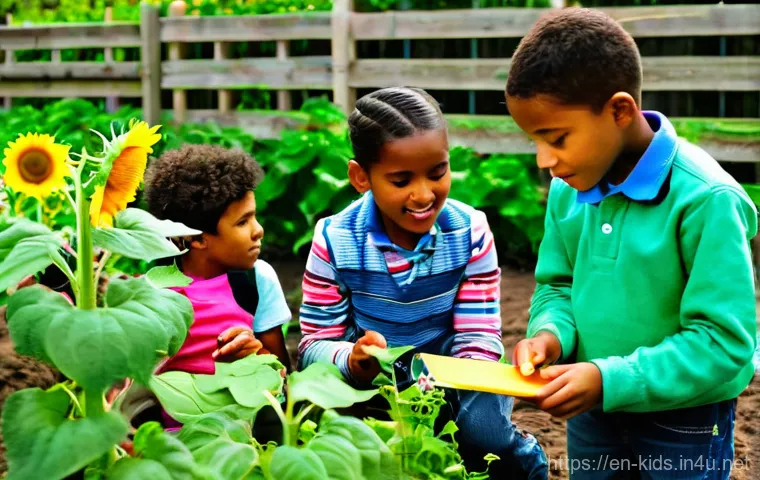
You know, for years, I approached lesson planning with a bit of a rigid checklist mentality. It was all about covering the standards, ensuring I had enough activities, and making sure my schedule flowed. While that’s certainly important, what I’ve learned through countless messy art projects and spontaneous dance parties is that true engagement comes from a different place entirely. It’s about shifting from just *teaching content* to *cultivating curiosity*. When I started viewing each day not as a series of tasks but as a canvas for discovery, everything changed. My planning became less of a chore and more of an exciting opportunity to craft experiences that genuinely resonate with children. It’s about asking, “What sparks their imagination? What real-world questions can we explore together?” This isn’t just theory; I’ve personally witnessed how a simple shift in my own perspective transformed a quiet morning into a bustling hub of joyful exploration, proving that our mindset as educators truly sets the stage for learning.
Embracing Emergent Curriculum: Following Their Lead
One of the biggest game-changers for me was truly understanding and embracing emergent curriculum. It’s not about throwing out your plans entirely, but rather holding them loosely enough to respond to the children’s interests and questions in real-time. I remember one week I had a beautiful unit planned around insects, but the children became completely captivated by a construction site next door. Instead of sticking to my script, we dove into engineering, building, and even visited the site (with permission, of course!). That week was far more impactful than anything I could have pre-planned because it was born from their genuine curiosity. It felt more authentic, more alive, and honestly, more fun for all of us.
Infusing Play into Every Corner of Your Day
If there’s one thing my years in the classroom have taught me, it’s that play isn’t just downtime; it’s the purest form of learning for young children. I used to think I needed specific “play stations,” but now I see how every part of our day, from our morning meeting to our outdoor adventures, can be infused with playful exploration. It might be turning a math activity into a “counting race” or making a literacy lesson about creating a dramatic play script. When I intentionally look for opportunities to add an element of playfulness, the children are more motivated, more engaged, and surprisingly, retain information better. It truly transforms the learning landscape.
Crafting Experiences, Not Just Activities: The Heart of Engaging Lessons
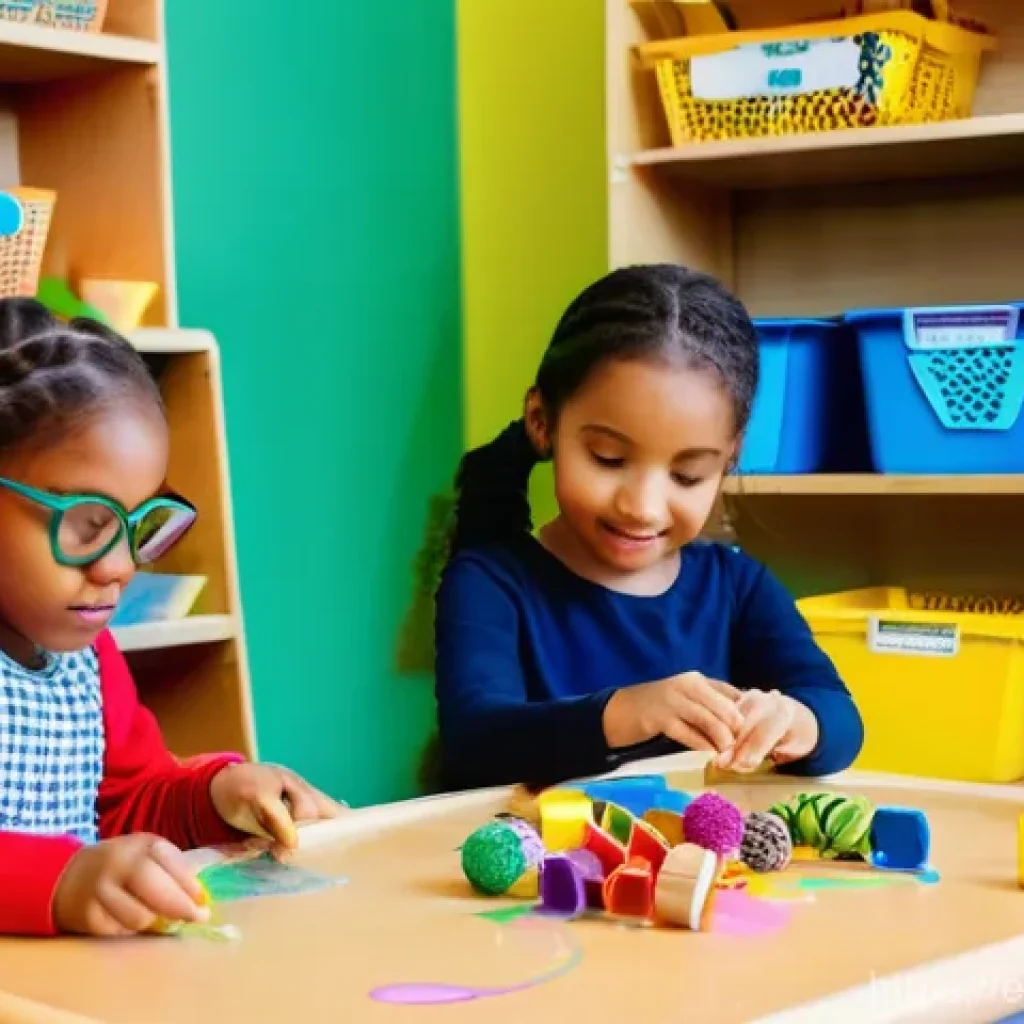
We’ve all been there: meticulously planning out a craft or an activity, only for it to fall flat. The kids rush through it, or worse, aren’t interested at all. What I’ve found is that the magic happens when we shift our focus from merely providing “activities” to creating rich, multi-sensory “experiences.” This means thinking beyond the worksheet or the pre-cut shapes and asking ourselves, “How can this engage all their senses? How can it allow for open-ended exploration and problem-solving?” For example, instead of just drawing a picture of a tree, we might go outside, collect leaves, bark, and twigs, discuss their textures and colors, and then create a collaborative nature collage indoors. The process itself becomes the learning, and the children are far more invested. It’s about building a sense of wonder and connection, rather than just ticking off a curriculum box.
Designing for Discovery: Open-Ended Materials and Questions
One of my favorite things to do when planning is to think about what I call “discovery provocations.” Instead of telling children exactly what to do, I set up a compelling environment with open-ended materials and then step back. Imagine a table with various natural objects, magnifying glasses, clipboards, and drawing tools, accompanied by a simple question like, “What do you notice about these?” Or a basket of loose parts with no instructions. I’ve seen children spend hours exploring, collaborating, and asking incredible questions when given this freedom. It’s truly amazing how their creativity flourishes when we give them the space to lead their own learning journey. My role shifts from director to facilitator, and honestly, it’s far more rewarding.
Incorporating Real-World Relevance: Bridging Classroom to Life
Children are natural scientists and explorers of their own world. When our lessons connect directly to their lives and experiences, the learning becomes deeply meaningful. I try to constantly think about how I can bring the outside world into our classroom and how our classroom can connect to the outside world. This might mean having a “community helpers” unit that involves inviting local firefighters or librarians to visit, or even taking a walk to the neighborhood grocery store to learn about healthy eating. One time, after a particularly windy day, we collected leaves and talked about wind resistance, which led to us building our own kites. When learning feels relevant and tangible, it stops being an abstract concept and becomes something they genuinely care about.
Nurturing the Whole Child: Integrating Social-Emotional Learning Seamlessly
As educators, we know that academics are only one piece of the puzzle. The social-emotional well-being of our little learners is equally, if not more, critical for their overall success and happiness. When I first started teaching, I often viewed social-emotional learning (SEL) as a separate block of time or a specific curriculum. But over the years, I’ve realized that the most powerful SEL happens organically, woven throughout our entire day. It’s in how we greet each other, how we navigate conflicts during playtime, and how we celebrate successes, big and small. My planning now always includes intentional moments for SEL, not as an add-on, but as an integral thread that holds our classroom community together. I find that when children feel safe, understood, and capable of managing their emotions, they are far more ready and open to academic learning.
Building a Culture of Empathy and Respect
I’ve made it a priority to actively foster an environment where empathy and respect are the cornerstones of our interactions. This starts with modeling those behaviors myself, of course, but it also means intentionally planning opportunities for children to practice them. We use “feeling check-ins” every morning, where children can express how they’re feeling using a simple chart. When conflicts arise, instead of jumping in to solve them, I guide children to express their feelings and listen to their friends. We practice perspective-taking through storytelling and role-play. It might seem small, but these consistent practices build a strong foundation for them to understand others and themselves, which is a lifelong skill.
Empowering Self-Regulation and Problem-Solving Skills
Watching children learn to regulate their own emotions and solve their own problems is one of the most rewarding parts of my job. In my lesson planning, I now actively look for ways to create scenarios where children can practice these skills. This could be through setting up a “calm-down corner” with sensory tools, teaching specific breathing exercises, or offering choices that allow them to feel a sense of control. For instance, if two children both want the same toy, instead of mediating entirely, I’ll prompt them with questions like, “What are some ways we could solve this?” or “How could you both get a turn?” Giving them the language and the tools to navigate these situations independently builds immense confidence and capability.
Beyond the Classroom Walls: Extending Learning into the Home and Community
I genuinely believe that a child’s learning journey isn’t confined to the hours they spend with us in the classroom. The most impactful education is a collaborative effort between educators, families, and the wider community. When I plan, I’m always thinking about how I can extend our classroom explorations into their homes and neighborhoods, turning everyday moments into learning opportunities. It’s about building a bridge between these worlds, making learning a continuous, integrated experience rather than something that only happens within our four walls. I’ve seen firsthand the incredible boost in engagement and developmental progress when families feel truly connected and involved in their child’s educational adventure.
Fostering Family Partnerships Through Communication
Effective communication with families is absolutely paramount. I’ve found that consistency and variety are key here. It’s not just about sending home a weekly newsletter (though those are great!). I also use a classroom app to share photos and brief anecdotes about our day, highlighting specific learning moments. Sometimes, I’ll send home a simple “conversation starter” related to our current theme, like “Ask your child about their favorite part of our ‘bug hunt’ today!” It really helps open up dialogue between children and their parents and shows families exactly what we’re doing. This transparency builds trust and makes them feel like valued partners in their child’s education, which they absolutely are.
Simple Home-Based Learning Invitations
I love sending home easy, low-pressure “learning invitations” that families can do together. These aren’t homework assignments; they’re gentle suggestions to extend our classroom themes in a fun, natural way. For example, if we’re learning about shapes, I might suggest going on a “shape hunt” around the house or neighborhood. If we’re exploring healthy eating, I might share a simple recipe to make together. The key is to make them accessible and enjoyable, using materials they likely already have. I’ve found that when these activities are framed as opportunities for connection and play, families are much more likely to participate, and it significantly reinforces the learning we’re doing in class.
Assessing Authentically: Seeing Growth Beyond the Standardized Test
Let’s be honest, assessment can sometimes feel like a dry, bureaucratic hurdle. But as an early childhood educator, I’ve learned that authentic assessment isn’t about rigid tests or ticking boxes; it’s about truly *seeing* the child. It’s about understanding their unique developmental journey, celebrating their progress, and using that information to inform my teaching. My goal is always to gather a holistic picture of each child – their strengths, their emerging skills, their interests, and how they interact with the world around them. This approach has transformed how I view assessment, making it a valuable tool for growth rather than just a judgment of performance.
Observation as Your Primary Assessment Tool
In early childhood, our eyes and ears are our most powerful assessment tools. I’ve found that diligent observation provides the richest, most accurate data about a child’s development. This means purposefully taking the time to watch children during free play, group activities, and even snack time. I keep a small notebook handy (or use a digital app) to jot down anecdotal notes, capturing specific examples of their language, social interactions, problem-solving skills, and fine motor development. It’s not about judging, but about documenting their incredible journey. These observations, over time, paint a vivid picture of their individual growth and help me identify areas where they might need a little extra support or a new challenge.
Portfolios: Celebrating Progress and Partnerships
One of my favorite ways to share a child’s progress with families, and indeed, to reflect on it myself, is through a portfolio. This isn’t just a collection of worksheets; it’s a living document that tells the story of their year. I include photos of them engaged in activities, samples of their art and emergent writing, transcriptions of their unique conversations, and my own observational notes. It’s incredibly powerful for both children and parents to see tangible evidence of their learning journey. I remember one parent tearing up when she saw how much her child’s drawing skills had developed over just a few months – it’s a beautiful way to celebrate their unique achievements.
The Power of Environment: Crafting an Inviting and Stimulating Space
Have you ever walked into a room and just felt… good? Calm, inspired, ready to learn? That’s the feeling I strive for in my classroom. I’ve come to realize that the physical environment isn’t just a backdrop; it’s a powerful third teacher. When I first started, I focused mainly on aesthetics, but now my planning includes deep consideration of how the layout, materials, and overall atmosphere directly support learning, exploration, and positive social interactions. It’s about creating a space that invites curiosity, encourages independence, and feels like a safe, joyful home away from home. Every choice, from the color on the walls to the way materials are organized, is intentional.
Thoughtful Organization: Promoting Independence and Exploration
Clutter can be incredibly overwhelming for young children (and for adults, let’s be honest!). I’ve invested a lot of time in creating a classroom where everything has its place, and materials are easily accessible to the children. Clear bins, labels with pictures and words, and low shelves mean they can independently choose what they want to explore and, importantly, put it back when they’re done. This not only fosters self-help skills but also encourages a sense of ownership over their learning space. When children feel capable of managing their environment, they feel capable of managing their learning, and that’s a huge win.
Creating Dynamic Learning Zones: Catering to Diverse Needs
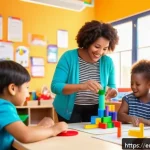
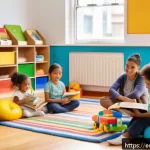
My classroom is intentionally divided into various learning zones, each designed to support different types of play and learning. We have a cozy reading nook filled with soft pillows and a diverse selection of books, a vibrant art area with a wide array of materials, a block area for collaborative building, and a dramatic play space that transforms regularly based on our themes. This allows children to choose activities that align with their interests and developmental needs, and it also helps manage classroom flow and noise levels. It’s about creating opportunities for both focused individual work and rich group interactions, ensuring every child finds a place where they thrive.
Embracing Flexibility and Continuous Reflection: My Secret Sauce
If there’s one “secret sauce” I’ve developed over my years as an educator, it’s the ability to embrace flexibility and to engage in continuous self-reflection. I used to agonize over my lesson plans, trying to foresee every possible scenario and stick to a rigid schedule. But the reality of working with young children is that things *will* go off script. A sudden fascination, an unexpected teachable moment, or even just a challenging morning for a child can completely derail a meticulously planned activity. What I’ve learned is that it’s in those moments of flexibility, of pivoting and adapting, that some of the most profound learning actually happens. It’s about being present, responsive, and always ready to learn alongside the children. This approach makes my teaching more authentic and incredibly dynamic.
The Power of “What If?”: Adapting on the Fly
I’ve trained myself to constantly ask, “What if?” during my planning, but more importantly, during the actual teaching. What if the children aren’t interested in this story? What if this activity is too easy or too challenging? This mindset allows me to have backup ideas, alternative approaches, and the confidence to change course when needed. I remember planning a detailed outdoor science exploration, only for a sudden downpour to hit. Instead of canceling, we pivoted indoors, setting up a “rain observation station” by the window, collecting rainwater in different containers, and discussing density. It wasn’t what I planned, but it was just as engaging and educational, proving that sometimes the best lessons are the spontaneous ones.
Weekly Reflection: Honing Your Craft
At the end of each week, I dedicate a little time to reflect on what went well, what could have been better, and what I learned from the children. This isn’t about self-criticism; it’s about professional growth. I’ll think about which activities truly sparked joy and learning, which ones fell flat, and why. I also consider individual children’s progress and how my plans are addressing their unique needs. This consistent reflection process is invaluable. It helps me refine my strategies, adapt my lesson planning for the following week, and ultimately, become a more effective and responsive educator. It’s how I continuously evolve and ensure my teaching truly meets the dynamic needs of the little humans I have the privilege to guide.
Beyond the Basics: Leveraging Technology and Creative Resources
In today’s fast-paced world, staying current with tools and resources can feel like a full-time job in itself, but I’ve found that smart integration of technology and creative resources can truly elevate our lesson planning and classroom experience. It’s not about replacing hands-on learning with screens, but rather using these tools to enhance, expand, and personalize learning opportunities. I’m always on the lookout for innovative ways to bring fresh perspectives and engaging materials into our classroom, whether it’s through interactive apps, online storybooks, or even just discovering new printables that spark creativity. My philosophy is to use technology as a thoughtful amplifier for our educational goals, not as a crutch.
Thoughtful Tech Integration for Early Learners
When it comes to technology, intentionality is key, especially with young children. I never use tech just for the sake of it. Instead, I look for apps or online tools that offer genuine educational value and encourage active participation, rather than passive consumption. For instance, we might use a tablet to explore a virtual animal habitat, watch a time-lapse video of a plant growing, or use an interactive storytelling app that allows children to choose their own adventure. I also find some apps incredibly helpful for differentiated instruction, allowing children to practice skills at their own pace. It’s about creating a balanced diet of digital and analog experiences.
Tapping into a World of Creative Resources
The internet is an absolute treasure trove for educators, but it can also be overwhelming. I’ve spent years curating my go-to list of websites, blogs, and online communities that offer fantastic, high-quality resources. This could be anything from free printable centers, themed craft ideas, or even just inspirational articles about child development. I also love exploring local libraries for themed book sets and borrowing educational kits. Sharing ideas with other educators, whether online or in person, is also invaluable. We’re all in this together, and leveraging each other’s creativity and findings makes our jobs richer and more sustainable. Plus, finding that perfect resource feels like striking gold!
Here’s a quick overview of how incorporating these planning shifts can transform your classroom:
| Old Mindset (Traditional) | New Mindset (Engaging & E-E-A-T Aligned) |
|---|---|
| Focus on covering curriculum standards. | Focus on cultivating curiosity and deep engagement. |
| Activities are often adult-led and prescriptive. | Experiences are child-centered, open-ended, and play-based. |
| SEL taught as a separate lesson or unit. | SEL woven seamlessly throughout the entire day. |
| Assessment primarily through worksheets or formal checks. | Authentic assessment through observation and portfolios. |
| Classroom environment as a backdrop. | Classroom environment as a “third teacher,” stimulating and inviting. |
| Rigid adherence to lesson plans. | Embracing flexibility, adapting to emergent interests. |
| Limited connection to home/community. | Active family partnerships and home-based learning invitations. |
Wrapping Up Our Journey
As we wrap up this discussion, I hope you feel as invigorated as I do about the incredible power we hold to shape young minds. It’s been a journey of sharing what I’ve learned firsthand, witnessing the magic that unfolds when we dare to step away from rigid plans and truly embrace the heart of early childhood education. Remember, it’s not just about what we teach, but how we nurture those tiny sparks of curiosity into roaring flames of discovery. Every shift in mindset, every moment of genuine connection, contributes to a rich, unforgettable learning experience for our little ones and, let’s be honest, for us too.
Handy Tips for Your Teaching Toolkit
Here are some of my go-to strategies and nuggets of wisdom that I’ve found incredibly useful in making every teaching day more impactful and joyful:
-
Start with “Why?”: Before diving into any activity, take a moment to connect it to a bigger purpose. How does it spark curiosity? How does it build a skill? When you’re clear on the “why,” it helps you articulate the value to children and parents, and keeps you anchored when things get a little chaotic. This approach has honestly transformed my planning, making it less about checking boxes and more about intentional, meaningful engagement. It’s about finding that deep connection to what truly matters for a child’s development.
-
Embrace the Unexpected: Seriously, some of the best lessons I’ve ever taught weren’t planned at all. Be open to a child’s spontaneous question leading to an entirely new exploration. That unexpected puddle on a walk can become an impromptu science lesson. When you lean into these emergent moments, you’re showing children that their ideas are valued and that learning is an exciting, unpredictable adventure. It also keeps you, the educator, feeling fresh and dynamic rather than just following a script.
-
Observe, Observe, Observe: Your sharpest tool is your ability to truly see and hear the children. Take mental notes (or actual notes!) during free play. What are their interests? What challenges are they facing? These observations are gold. They inform your next steps, help you differentiate learning, and give you a deeper understanding of each child’s unique developmental path. I’ve often discovered a child’s hidden talent or a nascent interest simply by quietly watching them engage with their world.
-
Collaborate with Families: Think of parents and guardians not just as recipients of information, but as true partners in their child’s education. Share snippets of your day, ask for their input, and offer simple, fun ways they can extend learning at home. When families feel connected and valued, the child’s learning journey becomes so much richer and more cohesive. I’ve found that a quick photo shared through a classroom app can make a parent’s day and strengthen that vital home-school bond immensely.
-
Prioritize Self-Care: This might sound cliché, but it’s absolutely critical. Teaching is demanding, and you can’t pour from an empty cup. Find what recharges you, whether it’s a quiet cup of coffee before school, a walk in nature, or connecting with fellow educators. When you take care of yourself, you bring your best, most patient, and most creative self to the classroom, and the children absolutely feel that positive energy. It’s an investment not just in yourself, but in the quality of your teaching.
Key Takeaways to Keep in Mind
At the core of truly impactful early childhood education is a profound shift from a content-delivery mindset to one that prioritizes cultivating genuine curiosity and fostering holistic development. It’s about remembering that children learn best through meaningful experiences, not just isolated activities, and that play isn’t a distraction but the very foundation of their learning journey. By embracing an emergent curriculum, intentionally weaving social-emotional learning into every interaction, and extending our reach beyond the classroom walls through strong family partnerships, we create a rich tapestry of learning that addresses the “whole child.” Furthermore, authentic assessment, rooted in keen observation, allows us to celebrate individual growth and tailor our teaching to each unique learner. Always remember the profound influence your thoughtfully crafted environment has as a “third teacher” and, perhaps most importantly, cultivate a spirit of flexibility and continuous self-reflection. These elements, when combined with a commitment to leveraging appropriate resources and technology, not only elevate our teaching but also transform our classrooms into vibrant, joyful hubs of discovery where every child can truly thrive.
Frequently Asked Questions (FAQ) 📖
Q: With all the exciting new insights in child development, how can I make lesson planning less daunting and more enjoyable, transforming it from a chore into a creative flow?
A: Oh, I totally get where you’re coming from! I remember staring at a blank template more times than I can count, feeling that familiar dread creep in. But here’s what I’ve discovered: the secret to transforming lesson planning isn’t just about what you plan, but how you approach it.
First off, ditch the idea of perfection. Seriously, give yourself permission for imperfection. I used to spend hours trying to craft the most flawless activity, only to find the kids often gravitated to something entirely unexpected!
What truly sparked joy for me, and for them, was embracing flexibility. Start with a broad theme or a core concept you want to explore, then brainstorm a few open-ended activities that can go in different directions.
Think of it less like a rigid script and more like a gentle guide for an adventure. My personal game-changer was dedicating a “creative hour” each week, often with a cup of tea, just to doodle ideas, look at inspiring resources, or even just observe children playing in a park for fresh perspective.
When you treat planning as an opportunity for your own creativity, rather than a task to be checked off, it suddenly becomes a whole lot more fun. Trust me on this, that shift in mindset is incredibly powerful.
Q: What are some key contemporary child development insights I should be weaving into my lesson plans right now to truly make an impact?
A: This is such a crucial question, and it’s something I’m constantly exploring in my own practice! From what I’ve seen, and from staying up-to-date with the latest research, two big areas are absolutely non-negotiable right now: deeply integrating hands-on, play-based learning and intentionally nurturing social-emotional skills.
Forget the old model where play was just a “break”; we now know that play is the work for young children. When I design an activity, I always ask myself, “How can kids get their hands on this?
How can they manipulate, explore, and discover through play?” It’s not just about building blocks; it’s about sensory bins that encourage storytelling, science experiments they can physically interact with, or dramatic play scenarios that let them process the world.
The other vital piece is social-emotional learning. Our little ones are navigating a complex world, and giving them the tools to understand and manage their emotions, build empathy, and resolve conflicts is paramount.
I make sure to include activities that explicitly teach emotional vocabulary, practice active listening, and offer opportunities for collaborative problem-solving.
For instance, after a challenging moment, instead of just a quick fix, I’ll guide a group discussion using puppets or story cards to help them process what happened and how they might handle it next time.
It’s not just about academic readiness; it’s about whole-child development.
Q: I want my lessons to go beyond just activities; how can I truly foster profound growth and genuine discovery in my young learners, ensuring every moment counts?
A: This is the heart of why we do what we do, isn’t it? Moving beyond just ‘doing’ an activity to truly fostering profound growth comes down to a few intentional shifts in how we facilitate learning.
First, cultivate a culture of inquiry. Instead of giving all the answers, become a master of asking open-ended questions. Questions like, “What do you notice happening here?” or “What do you think will happen if…?” or “How could we try that a different way?” I’ve found that when children are encouraged to ask their own questions and seek their own answers, their engagement skyrockets, and the learning sticks.
Second, embrace “teachable moments.” Sometimes the most profound discoveries happen organically, outside of your perfectly planned activity. Be present, observe intently, and be ready to pivot.
If two children are fascinated by a ladybug outside the window, that’s your cue to explore insects, read a related book, or even draw what they see, right then and there.
It shows them their interests are valued, and that curiosity is a powerful driver of learning. Finally, reflection is key. At the end of a project or even a play session, gather them to talk about what they learned, what surprised them, and what they’d like to explore next.
This metacognitive practice helps them consolidate their learning and see themselves as capable, curious learners. It’s about empowering them to be active participants in their own journey of discovery.