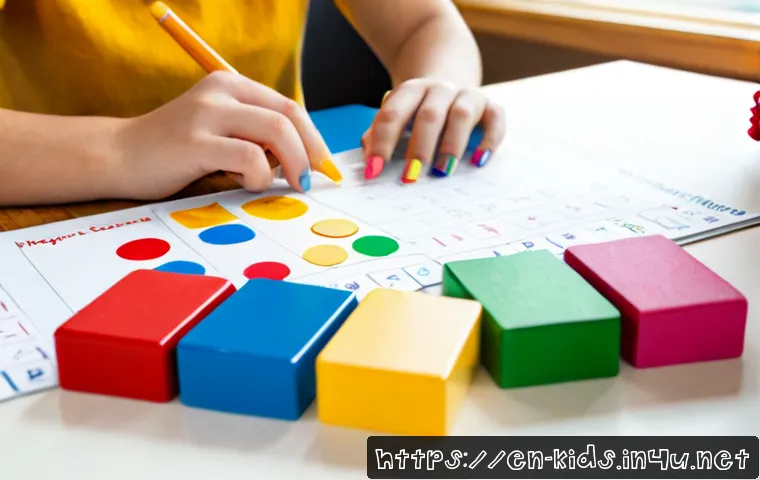
Learn how to structure an early childhood education training session, choose practical activities, manage delivery, and compare planning tools and materials based on class size, goals, and budget.

A practical early childhood education training session needs a clear learning goal, an age-appropriate activity, and a simple way to check understanding.
Paid curriculum resources, lesson-planning software, or instructor training can be useful when they reduce repeat preparation or support consistent delivery.
Start with a short, adaptable session structure before buying materials. Then choose tools based on how often you teach, who you teach, and which requirements apply in your setting.
Safety, accessibility, and local early childhood regulations should be checked before an activity is delivered. The best format is the one participants can understand, practice, and use confidently.
At a Glance
- Minimum lesson components: a defined outcome, suitable activity, clear instructions, materials, and a short review.
- Paid resources can save time when you teach recurring sessions or need reusable planning materials.
- Check safety, accessibility, and local requirements before finalizing activities or distributing take-home materials.
| Option | Typical Setup Time | Cost Consideration | Best Fit |
|---|---|---|---|
| Self-made lesson plan and materials | Higher at the start | May use existing supplies | Highly specific learners, goals, or local routines |
| Printable curriculum packs | Lower after selection | May require individual or library access | Repeatable activities and quick preparation |
| Digital lesson-planning tools | Time needed for setup and learning | Subscription terms may apply | Coordinating plans, materials, and updates |
| Professional instructor training | Depends on the provider and format | Course fees may apply | Structured feedback, organizational standards, or credential needs |
Build a Training Session That Is Clear, Safe, and Practical
A strong session does not need to be complicated. It needs a sequence that helps participants understand what they are learning, see how it works, and try it themselves. Keep the plan developmentally appropriate for the children or early childhood setting being discussed, even when the direct audience is adult staff or parents.
Three Essentials: A Learning Goal, Age-Appropriate Activity, and Simple Review Method
Begin with one clear learning goal. For example, the goal might be for participants to identify how an activity can be adjusted for different participation levels. Choose one activity that supports that goal without demanding too many steps. End with a simple review: ask participants to explain one adjustment they would make, demonstrate a key step, or identify a material they would change.
A Quick Session Map for Introduction, Activity, Reflection, and Follow-Up
Use a predictable flow: introduce the purpose, demonstrate or explain the activity, allow guided practice, and close with reflection. A short follow-up note, planning sheet, or resource list can help participants use the lesson after the session. Avoid spending most of the time on explanation. Demonstration and guided practice often reveal whether instructions are clear.
What to Prepare Before Participants Arrive
Prepare the learning objective, timing outline, activity instructions, materials list, room arrangement, and review method. Check whether printed materials are readable and whether manipulatives, presentation tools, or digital files are ready to use. Keep a backup activity that uses fewer materials in case attendance, timing, or the room setup changes.
Compare Planning Methods, Teaching Resources, and Budget Options
The right planning method depends on how often you teach and how much customization the session needs. A resource that saves preparation time may be valuable for recurring training, while a self-made plan may work better for a one-off topic with specific local needs.
Creating Materials From Scratch Versus Using Curriculum Templates
Self-made materials offer flexibility. You can match the language, examples, and activity level to a particular group. The trade-off is preparation time. Curriculum templates and printable teaching resources may provide a faster starting point, but review them carefully before use. Make sure the activity aligns with your objective and can be adapted for your participants.
Free Tools, Paid Resource Libraries, and Instructor Training: Where Each Adds Value
Free planning templates can be enough for a simple session map, checklist, or reflection sheet. Paid resource libraries may be useful when you regularly need printable activities, organized lesson ideas, or reusable classroom materials. Professional instructor training may be worth considering when you need structured feedback, a formal learning pathway, or alignment with an employer’s standards. Compare the content, access terms, update process, and fit for your setting rather than choosing only by price.
Cost and Time Questions to Ask Before Purchasing Materials or Subscriptions
Ask whether the resource will be used more than once, whether it can be adapted, and whether it replaces meaningful preparation work. Also check what is included: printable files, presentation tools, assessment templates, support materials, or access duration. A lower-cost option is not always the best value if it requires extensive rewriting. Likewise, do not buy a large set of classroom materials before testing whether the lesson format works.
Step-by-Step Preparation and Delivery Workflow
Define Learner Needs and Measurable Session Outcomes
Identify who will attend: new staff, experienced educators, coordinators, or parents. Then write an outcome that can be observed. “Participants will understand play-based learning” is broad. “Participants will identify one suitable activity adaptation and explain why it supports participation” is easier to review.
Prepare Materials, Instructions, Room Setup, and Backup Activities
Place materials in the order they will be used. Write instructions in short steps and test whether another person could follow them without extra explanation. Consider visibility, seating, movement space, and access needs. A backup version might use discussion cards instead of manipulatives, or a paired activity instead of a whole-group demonstration.
Deliver the Session With Demonstrations, Guided Practice, and Observation
Show the activity first when possible. Then invite participants to try it with guidance. Observe where they hesitate, ask questions, or interpret instructions differently. Those moments are useful information, not failure. They show where the lesson plan may need clearer wording, a visual example, or fewer steps.
Record Feedback and Revise the Next Session
After delivery, note what fit the available time, which materials were useful, and what participants found difficult. Keep a simple revision record with changes for the next session. This makes a lesson-planning tool or digital resource library more useful over time because you can build a dependable set of tested materials.
Practical Delivery Examples for Different Training Settings
Example: A Short Workshop for New Early Childhood Staff
A short staff workshop can focus on one routine or activity. Introduce the goal, model the activity, let small groups identify possible adjustments, and close with a brief checklist. Keep the scope narrow. New staff may benefit more from a clear, usable routine than from a broad overview of many teaching approaches.
Example: A Classroom Activity Demonstration for Educators
For an educator-focused demonstration, prepare the activity materials as children would encounter them. Explain the intended learning purpose, demonstrate the setup, and ask participants to identify where support or adaptation may be needed. Include time for reflection on how the activity would change across classrooms or participation levels.
Example: A Parent Education Session With Take-Home Guidance
A parent session should use plain language and a small number of practical ideas. Demonstrate one activity, explain the materials needed, and provide a short take-home guide if appropriate. Avoid presenting one home routine as universally suitable. Families may have different schedules, spaces, resources, and child needs.
Avoid Common Problems in Early Childhood Training
Using Activities That Are Too Complex or Too Long
Long explanations and multi-step activities can reduce engagement. Simplify the instructions and focus on one main skill or teaching point. If the group needs more depth, use a follow-up session rather than overloading one lesson.
Treating All Learners or Classroom Settings as Identical
Different settings may have different group sizes, materials, routines, and support needs. Build in options rather than assuming one format will work everywhere. State clearly which parts of the activity are essential and which parts can be adjusted.
Overbuying Materials Before Testing the Lesson Format
Test the activity with basic materials or a small pilot session first. Once you know the lesson is repeatable, a printable curriculum resource, manipulative set, or lesson-planning subscription may become a more practical purchase.
Missing Accessibility, Safety, or Local Compliance Checks
Review materials and delivery plans for accessibility and safety before use. Safeguarding expectations, qualifications, licensing, and local early childhood education requirements vary by location and provider. Confirm applicable procedures with the relevant organization or authority.
Selection Criteria and Comparison Summary
Choose self-made materials when flexibility matters most and the session must reflect a specific group, setting, or local routine. Choose a reusable resource library when you teach recurring sessions and need to reduce repeat preparation time. Choose digital lesson-planning tools when coordinating updates, shared materials, or multiple instructors is the main challenge. Choose professional training when credentials, structured feedback, or organizational standards are needed. Before deciding, check adaptability, included materials, access terms, preparation time, accessibility, and local compliance fit. For official details and full conditions, review the relevant provider or supplier page.
In Closing
Effective early childhood education training begins with a focused goal and a realistic activity plan. The most useful resources are the ones that improve clarity without making delivery more complicated. Test the session, observe how participants respond, and revise the next version. A simple, well-supported activity is often more valuable than an ambitious plan that cannot be delivered smoothly.
Useful Information to Keep in Mind
Keep a reusable planning checklist for objectives, materials, timing, instructions, review, safety, and accessibility. Save revised versions of successful lesson plans. Use templates as a starting point, not as a substitute for reviewing the needs of the group. When comparing paid tools, consider preparation time and repeat use alongside the purchase or subscription terms.
Important Notes
Requirements related to qualifications, licensing, safeguarding, and activity delivery vary by country, state, employer, and provider. Prices and access terms for instructor courses, classroom resources, and software also vary. Confirm current local requirements and supplier details before making a training, purchasing, or compliance decision.
Frequently Asked Questions
Q1. What should an early childhood education instructor prepare before teaching a training session?
A1. Prepare a clear learning objective, activity instructions, materials, timing plan, room setup, and a simple method for checking understanding. It is also helpful to prepare a backup activity and review safety, accessibility, and relevant local requirements.
Q2. Are paid lesson-planning resources worth the cost for early childhood education instructors?
A2. They may be worthwhile when they save preparation time for recurring sessions or provide reusable materials that fit your teaching goals. Compare the resource quality, adaptability, access terms, and the time needed to customize it before purchasing.
Q3. How can instructors make training activities safe and appropriate for different early childhood settings?
A3. Use activities that are clearly structured, adaptable to different participation levels, and suitable for the intended age group and setting. Review materials, room arrangements, accessibility needs, safeguarding expectations, and local requirements before delivery.