In today’s rapidly evolving educational landscape, understanding the foundational terms in early childhood education has never been more crucial. With new research constantly reshaping best practices, aspiring educators must stay ahead to create meaningful learning experiences.
Whether you’re stepping into the classroom for the first time or refining your teaching approach, mastering these key concepts will empower you to support young learners effectively.
Let’s dive into the essential vocabulary that will set you up for success in this rewarding field. Ready to boost your confidence and expertise? Keep reading to uncover the must-know terms every early childhood educator should have in their toolkit.
Building Blocks of Child Development
Understanding Developmental Milestones
Developmental milestones are like checkpoints that help us gauge where a child is in terms of physical, cognitive, emotional, and social growth. When I first started working with toddlers, I realized how crucial it was to know typical milestones so I could spot if a child needed extra support.
For example, by age two, most children begin to form simple sentences and show increased coordination. Recognizing these markers isn’t about labeling but about providing timely encouragement or intervention.
Each child develops uniquely, but having these milestones in mind allows educators to tailor activities that promote healthy progression without pressure.
The Role of Play in Learning
Play isn’t just fun—it’s the foundation of learning. From my experience, play acts as a child’s natural language, helping them explore the world and build essential skills like problem-solving and social interaction.
When kids engage in pretend play, they practice empathy and creativity, which are vital for emotional intelligence. Encouraging open-ended play with various materials lets children experiment and learn at their own pace.
This approach also cultivates curiosity and resilience, traits that benefit lifelong learning.
How Environment Shapes Growth
The environment where children spend their time greatly influences their development. I’ve seen firsthand how a well-organized, safe, and stimulating classroom can spark enthusiasm and independence.
Natural light, accessible materials, and cozy reading corners create a welcoming atmosphere that invites exploration. Moreover, routines and clear expectations provide security, which helps children focus and thrive.
It’s about creating a balance between structure and freedom to nurture confidence and a love of learning.
Effective Communication Strategies with Young Learners
Listening Beyond Words
Young children often express themselves through gestures, facial expressions, and sounds before mastering verbal communication. I learned to pay close attention to these nonverbal cues, which revealed a lot about their needs and emotions.
For instance, a child might withdraw or become restless when overwhelmed, signaling a need for a break or reassurance. By tuning into these signals, educators can respond sensitively and build trust, which encourages more open communication over time.
Using Positive Language
The way we phrase instructions or feedback can either motivate or discourage a child. I used to focus heavily on what children shouldn’t do, but shifting to positive language made a huge difference in classroom dynamics.
Saying “Please walk inside” instead of “Don’t run” reframes the expectation in a friendly, clear way. Positive reinforcement, such as praising effort rather than just results, also boosts self-esteem and encourages persistence.
This subtle shift helps create an encouraging and respectful learning environment.
Encouraging Peer Interaction
Social skills develop through interactions with peers, and guiding these experiences is key. Early on, I observed that children learn cooperation, sharing, and conflict resolution best when supported rather than directed.
Facilitating group activities that require teamwork or turn-taking fosters these skills naturally. It’s important to step in gently when conflicts arise, helping children use words to express feelings and negotiate solutions.
Over time, these interactions build empathy and friendship foundations.
Curriculum Essentials and Planning Techniques
Balancing Structure and Flexibility
Designing a curriculum that’s both structured and adaptable is an art I’ve grown to appreciate deeply. A predictable routine provides children with a sense of security, but flexibility allows room for spontaneity and individual interests.
I found that planning thematic units around children’s curiosities—like animals or seasons—keeps engagement high while meeting learning goals. This balance supports not only academic skills but also creativity and problem-solving.
Incorporating Multisensory Learning
Engaging multiple senses enhances memory and understanding, especially for young learners. In my classroom, combining visual aids, tactile materials, music, and movement transformed lessons from static to dynamic experiences.
For example, using textured letters for alphabet learning or songs to reinforce numbers makes abstract concepts tangible and fun. This multisensory approach respects different learning styles and keeps children energized and involved.
Assessment That Supports Growth
Assessment in early childhood isn’t about tests; it’s about observing and documenting progress to inform teaching. I keep anecdotal notes, photos, and samples of children’s work to track development over time.
Sharing these observations with parents creates a collaborative partnership focused on the child’s best interests. This ongoing process highlights strengths and areas to support, allowing for personalized learning paths that celebrate each child’s journey.
Creating Inclusive and Supportive Classrooms
Embracing Diversity and Individuality
Every child comes with their own background, abilities, and personality, and embracing this diversity enriches the learning environment. I’ve learned that recognizing and valuing cultural differences helps children feel seen and respected.
Incorporating diverse books, music, and celebrations into the classroom broadens perspectives for everyone. It’s essential to create a space where all children can express themselves freely without fear of judgment or exclusion.
Supporting Children with Special Needs
Inclusion means adapting to meet the needs of all learners. Working alongside specialists, I’ve seen how small adjustments—like sensory breaks or visual schedules—can make a world of difference for children with special needs.
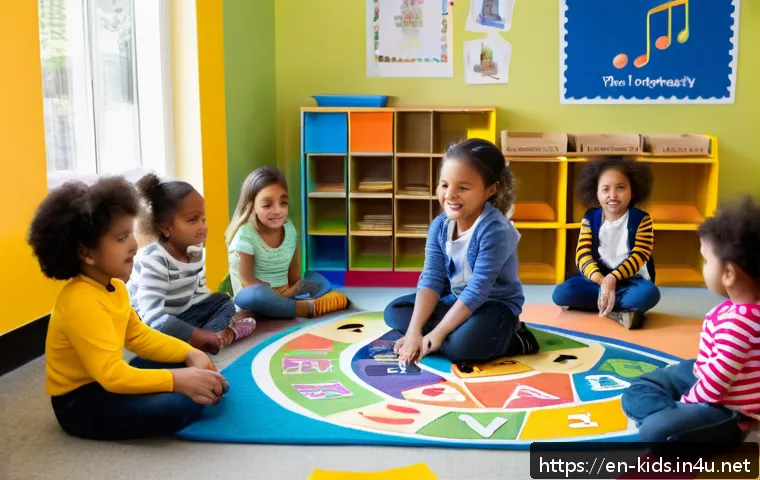
Patience and creativity are key when modifying activities to ensure accessibility and engagement. Building strong relationships with families also helps in understanding each child’s unique strengths and challenges, fostering a supportive network.
Promoting Emotional Well-Being
Emotional health is foundational for learning and development. I’ve noticed that when children feel safe and understood, they’re more willing to take risks and explore.
Teaching emotional literacy through naming feelings and modeling calm responses equips children with tools to manage stress and conflicts. Creating a classroom culture that encourages kindness and empathy helps prevent bullying and builds resilience, making it a nurturing space for everyone.
Understanding Early Childhood Education Frameworks
National and State Guidelines
Familiarity with educational standards and frameworks guides effective teaching practices. For example, in the U.S., frameworks like the Early Learning Guidelines outline age-appropriate expectations across domains such as language, motor skills, and social-emotional development.
I found that aligning lesson plans with these guidelines ensures comprehensive coverage and accountability. These frameworks also provide a common language for educators, families, and administrators to collaborate effectively.
Integrating Developmentally Appropriate Practices
Developmentally Appropriate Practice (DAP) is a cornerstone of quality early education. It emphasizes meeting children where they are developmentally while challenging them just enough to grow.
I’ve applied DAP by observing children’s interests and skills closely and adjusting activities accordingly. This approach respects individual differences and promotes active engagement rather than rote learning, making education both meaningful and enjoyable.
Collaborating with Families and Communities
Partnerships beyond the classroom enrich children’s learning experiences. I regularly communicate with families through newsletters, conferences, and informal chats to align efforts and share insights.
Involving community resources like libraries or local artists brings real-world connections to lessons. This collaboration creates a supportive network that extends learning and reinforces the importance of education at home and in the neighborhood.
Practical Tools and Resources for Educators
Utilizing Technology Wisely
Technology can be a powerful ally when used thoughtfully. I’ve incorporated interactive apps and digital storytelling to complement hands-on activities, not replace them.
Choosing age-appropriate content and limiting screen time maintains balance. Technology also facilitates record-keeping and communication with families, making administrative tasks smoother and freeing up more time for direct teaching.
Organizing Materials for Efficiency
A well-organized space saves time and reduces stress. I learned to label bins, rotate toys, and prepare materials in advance to keep the day flowing smoothly.
This organization also invites children to take ownership by accessing and returning materials independently, fostering responsibility. A clutter-free environment helps focus attention and supports safety.
Ongoing Professional Development
Staying current with research and new strategies is vital. Attending workshops, joining professional networks, and reading journals keeps my skills sharp and ideas fresh.
Reflecting on my practice and seeking feedback have helped me grow as an educator. Embracing lifelong learning models the curiosity and adaptability we want to inspire in our students.
| Term | Definition | Practical Example |
|---|---|---|
| Developmental Milestones | Key skills or behaviors typically achieved by children at certain ages. | Recognizing when a toddler starts combining words to form sentences. |
| Play-Based Learning | Educational approach that uses play as a primary method for learning. | Using blocks to teach counting and spatial awareness. |
| Developmentally Appropriate Practice (DAP) | Teaching strategies tailored to children’s age, individual needs, and cultural background. | Adjusting a group activity to suit the varying attention spans of preschoolers. |
| Inclusive Education | Teaching that accommodates all children, including those with special needs. | Providing sensory-friendly materials for children with sensory processing challenges. |
| Emotional Literacy | The ability to recognize, understand, and express emotions effectively. | Teaching children to name feelings like “happy” or “frustrated” during conflict resolution. |
In Closing
Understanding the building blocks of child development empowers educators and caregivers to create nurturing, effective learning environments. By recognizing milestones, fostering play, and embracing diversity, we support each child’s unique journey. Thoughtful communication and inclusive practices further enrich early childhood education, laying a strong foundation for lifelong growth and success.
Helpful Information to Keep in Mind
1. Consistently observing developmental milestones helps identify when a child might benefit from additional support or enrichment.
2. Play-based learning is not just enjoyable but essential for developing creativity, problem-solving, and social skills.
3. Creating a balanced environment with both structure and flexibility encourages confidence and curiosity.
4. Positive communication fosters a respectful and motivating atmosphere that nurtures emotional well-being.
5. Collaboration with families and communities strengthens the learning experience and promotes holistic development.
Key Takeaways
Effective early childhood education revolves around recognizing each child’s individuality and adapting teaching methods accordingly. Prioritizing inclusive practices, emotional support, and developmentally appropriate strategies ensures that all learners thrive. Continuous reflection and professional growth are vital for educators to meet the evolving needs of young children and create meaningful, engaging learning experiences.
Frequently Asked Questions (FAQ) 📖
Q: What are some foundational terms I should know in early childhood education?
A: Some essential terms include “developmentally appropriate practice,” which means tailoring teaching methods to the age and stage of the child; “scaffolding,” where educators support learners step-by-step to build new skills; and “play-based learning,” emphasizing learning through play to foster creativity and problem-solving.
Understanding these helps create effective and engaging learning environments for young children.
Q: How can knowing these terms improve my teaching approach?
A: When you grasp key concepts, you can design activities that truly meet children’s developmental needs. For example, knowing about “emergent literacy” guides you to introduce reading skills naturally through everyday interactions.
This awareness also boosts your confidence, making it easier to communicate with parents and colleagues about your teaching strategies, ultimately leading to better outcomes for your students.
Q: Where can I continue learning about early childhood education terminology?
A: Besides formal training programs, numerous reputable websites, educational podcasts, and professional networks offer up-to-date resources. Joining local or online early childhood educator communities provides real-world insights and shared experiences.
Personally, I found that reflecting on my classroom experiences alongside these resources deepened my understanding far more than just reading definitions alone.